
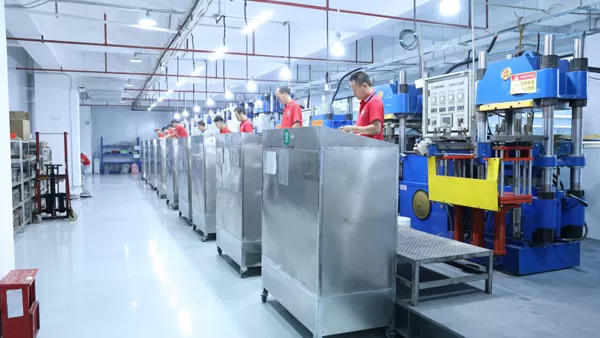
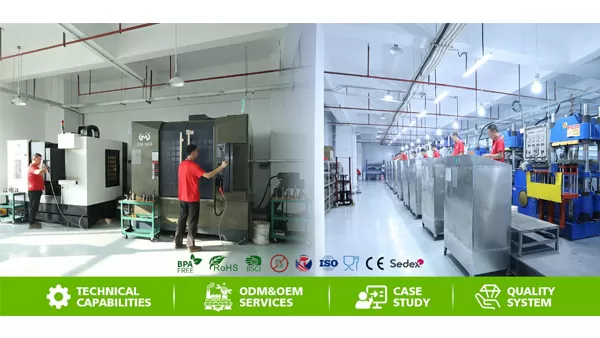
Address:
301,C2 Building, Xiakeng Second Industrial Area, Tongde Community, Longgang, Shenzhen, Guangdong, China.
Jun 26 2026
Learn More
 Shenzhen Bangxing Silicone Technology Co,.Ltd
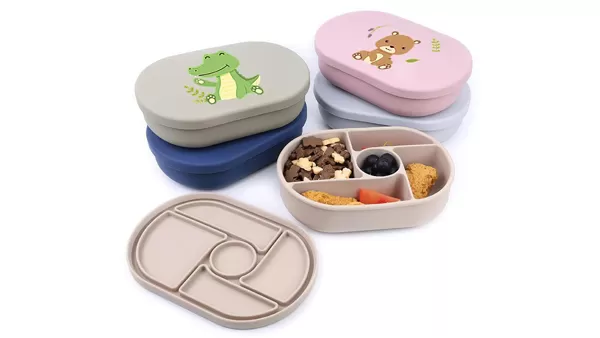
Modern households are shifting quickly towards safer consumer items instead of plastics. And talking of alternatives, nothing beats silicone. From your ice trays to the baby teethers and plates, silicone consumer products have rapidly become a favorite. But do you know that even all silicones are not alike? There is that regular industrial silicone, and then there is what we call as ‘food-grade silicone’.
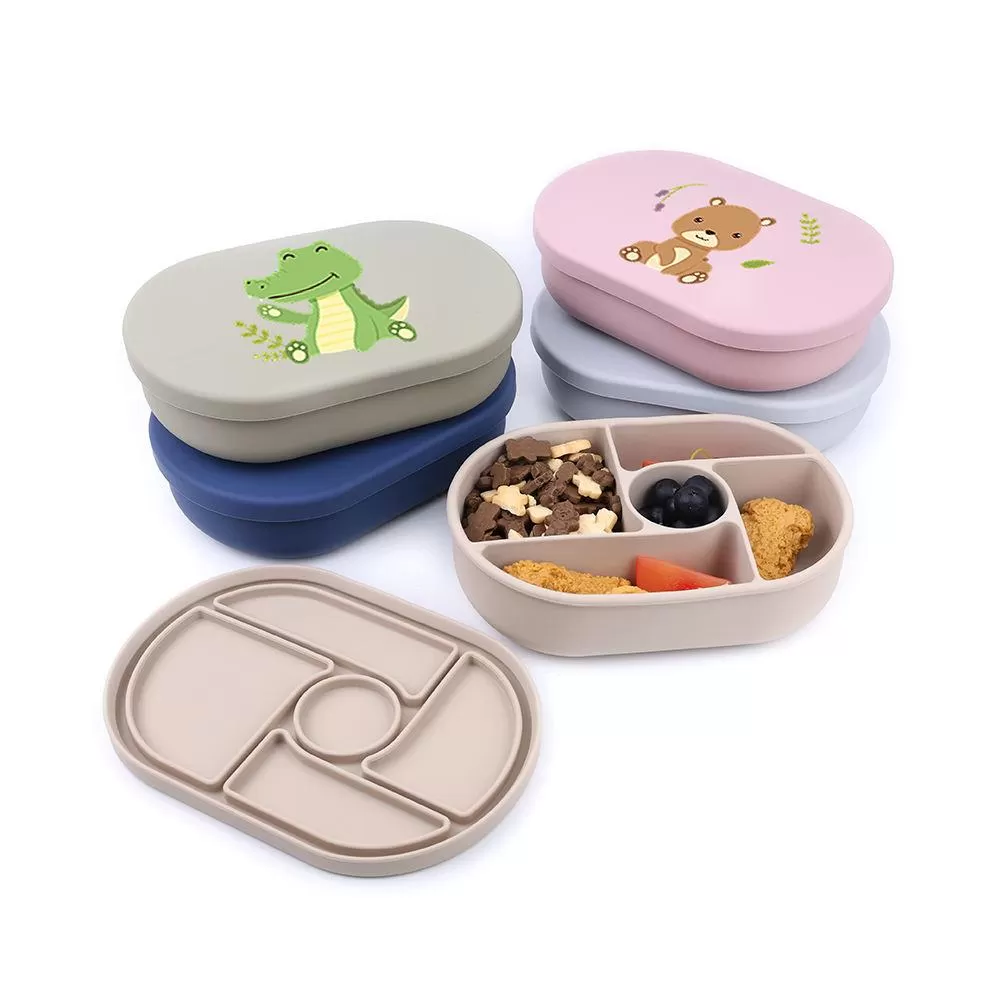
They say, when shopping for household items, especially food and baby care items, go for the food-grade silicone only. But what is food grade silicone? How is it different? How is it made, and is it really safe? For understanding the safety of food-grade silicone, it is important to know how it is made.
This article will help you understand how food-grade silicone is made and whether it is really safe. After going through this article, we hope that your next purchase decisions will be more safety-driven
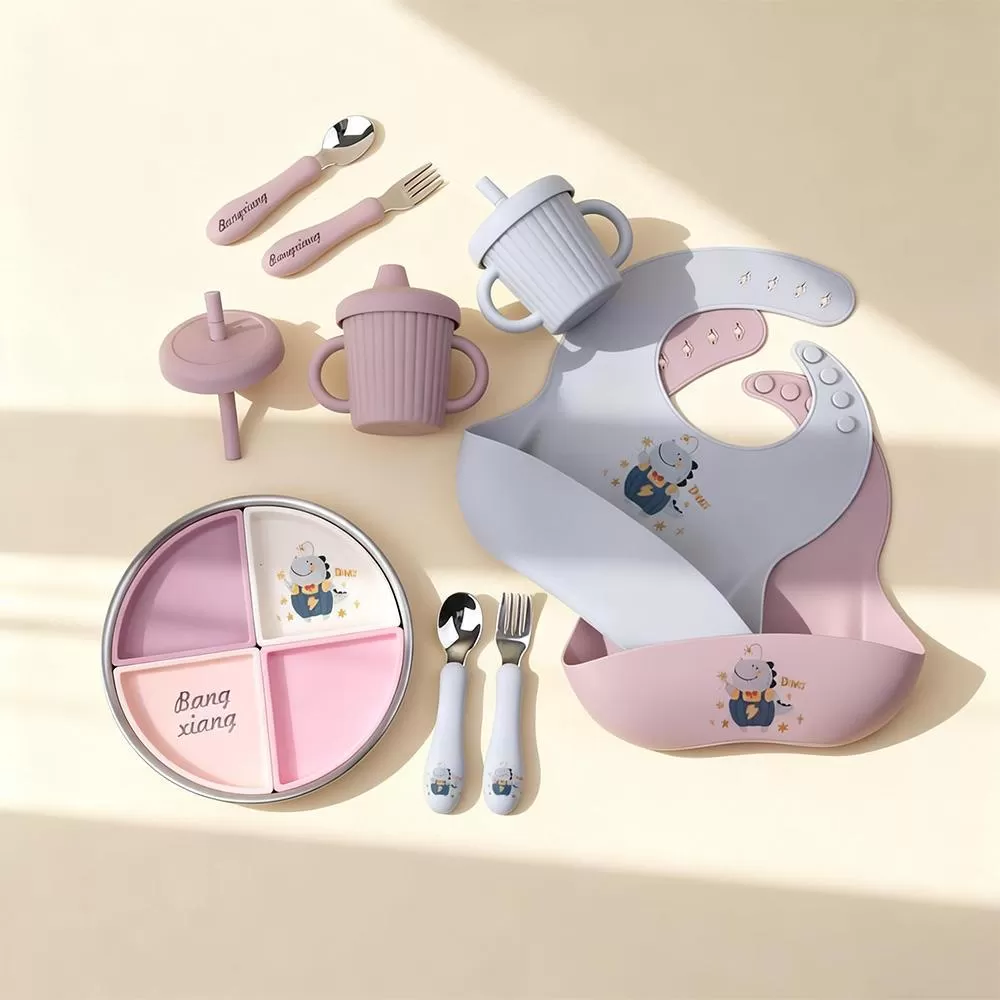
It is a higher grade of silicone that is made specially with the goal of making it safe for food contact. It uses naturally found silica that we have in sand and quartz. It is then processed and the final product has silicone, carbon, oxygen, and hydrogen.
It is manufactured without adding impurities or fillers. Food-grade shows chemical stability, and because they don’t add plastics to it, it doesn’t release microplastics or phthalates.
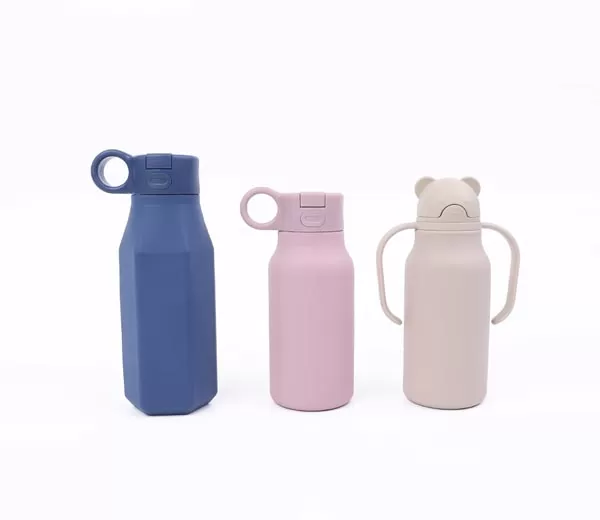
It’s extreme temperature resistance and smooth touch makes it a favorite for many consumer items. It is used in cookware and medical parts, water bottles, and baby feeding items. You must’ve seen silicone air fryer liners, ice trays, and BPA-free baby bottles and bibs.
While silicone is a good alternative to latex and plastic, the idea that all silicones are safe is actually a myth. Even in silicone, you have grades like regular industrial grade, food-grade, and several lower grades added impurities for cost reduction.
Food grade silicone is different from industrial silicone. This is because it doesn’t have the same composition and it is made differently. Its manufacturing follows strict quality rules. Below are some of the areas where it differs:
For a silicone to be certified as food-grade, it must meet strict rules of safety and quality. These are set by the renowned authorities around the world. For example:
The silicone that is commonly used in industrial applications doesn’t have to be certified or tested for these standards, and hence it is not the same as the food-grade version.
Non-certified silicone that the industry uses may have additives. These reduce the overall cost and serve different purposes. However, they can give the material a chemical odor and make it less durable. It even leaches chemicals.
The food-grade version, however, does not have additives in it. It is purer and as a result, more stable. It does not release chemicals even when you put it in over or sterilize it daily, as we do for baby soothers and bottles.
Food-grade silicone can easily bear extreme temperature ranges and that means, bearing it without degrading or tearing. Put it in the freezer or boil it in scorching water for sterilization; it won’t lose its structure. Typically, it can bear temperatures from -40 °C to 230 °C.
Regular silicone or the low grade options are not always safe for food contact and for babies’ delicate skin. They can cause allergies and can contaminate the food. Food grade options are tested to make sure that they are smoother, purer, and safe enough to contact our food and beverages.
Premium silicone is more durable and it does not crack or discolor after repeated use. Nor does it develop slimy texture. It does not harbor bacteria easily because it is non-porous.
This is where the difference originates from ordinary silicone. It’s the difference in manufacturing that guarantees purity, durability, and safety above and beyond the industrial-grade silicone. Let’s see how natural silica becomes safe food-grade silicone.
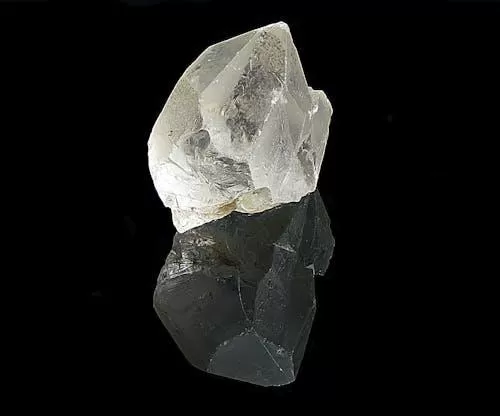
Silica is very abundant in nature. It is in the quartz sand. It is, in fact, among the most common elements of nature.
To start the manufacturing, first of all, silica is taken from the sand while removing other impurities. This sourcing difference itself explains how silicone is different from petroleum-derived plastics.
Once the extraction and purification are done, the silica goes into huge industrial furnaces. Here, it is mixed and heated with carbon at temperatures above 1800 °C.
As a result, there comes a chemical change in the composition of silica, i.e., oxygen is separated from it and we get the silicone element.
SiO2+2C→Si+2CO
This is what will form the base for the silicone polymers.
To make the silicone polymer, silicone is allowed to react with methyl chloride. These silicone polymers, at this stage, can be in the form of silicone oil, silicone gel, or silicone rubber.
Irrespective of the form, silicone polymers that result from this process are highly pure and to maintain the food-grade traits, there are no impurities added.
To give the silicone its flexible and durable shape that we admire, it must be cured using curing agents. There are two popular curing methods in the industry.
Some manufacturers use peroxide to harden the silicone. This type does not give premium results, especially when curing was not up to the mark. Peroxide-cured silicone can have unpleasant odor and may leave residue. However, the reason many manufacturers do this is because using peroxides costs lesser.
It is among the finest quality and highly pure silicone options. This silicone is ideal for food-related products and for medical and baby products as well.
It does not release harmful chemicals and has enhanced durability. The texture of platinum-cured silicone is also much smoother, and its feel is premium. It does not discolor over time and has high resistance to heat.
This is what the certified manufacturers use for premium medical and baby products.
After curing comes the shaping stage. Here, the cured silicone is shaped into silicone products. This is done by following highly precise molding processes like injection molding, extrusion molding, and compression molding.
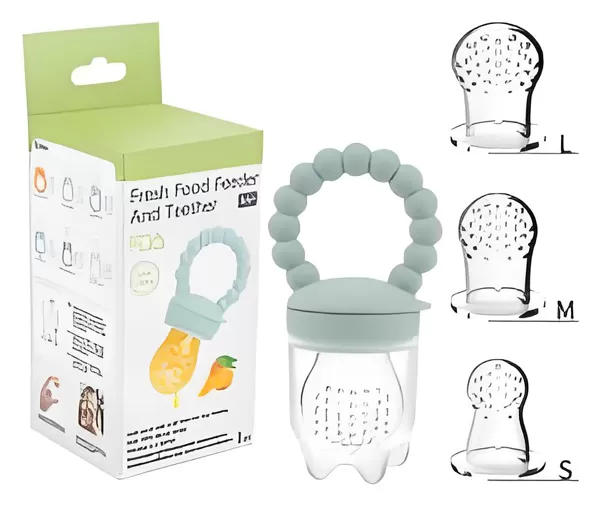
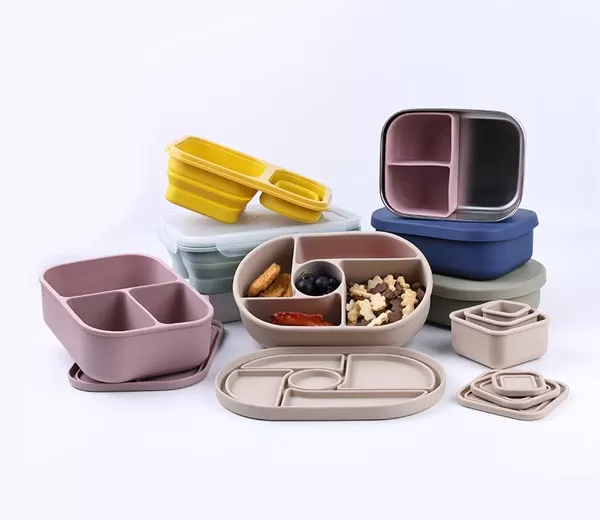
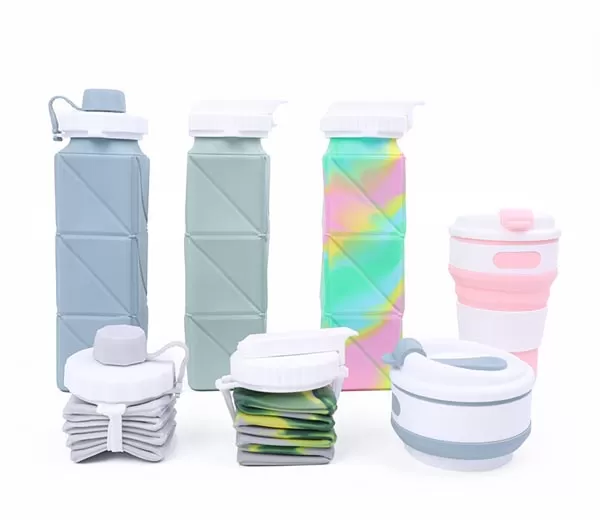
Platinum-cured silicone is now molded and shaped into final items like silicone ice trays, baby nibble freezer trays, baking items, silicone food containers, silicone retractable bottles, medical implants, silicone nipples, and much more.
After molding, manufacturers often use post-curing techniques to ensure the products are of high quality and do not have defects.
These involve heating of the products and it helps in removing the residuals and refining the details further. After that, the products undergo rigorous testing for food migration, heat stability, odor, and tensile strength.
Trustworthy suppliers like Bangxing Silicone give special attention to testing and they make sure the criteria set by LFGB and FDA are met.
It is the chemical stability of this premium silicone that makes it safe. It does not release phthalates, nor does it have BPA, latex, or PVC. Moreover, premium, platinum-cured silicone, as used by some quality conscious manufacturers, does not cause allergies even to the delicate baby skin.
It is safe for freezing, heating, steaming, and all methods used for sterilizing. The non-porous, smooth surface of food-grade silicone inhibits bacterial growth and these products do not get slimy or attract fungus easily.
It is used in virtually everything. Some of the most common uses include the following.
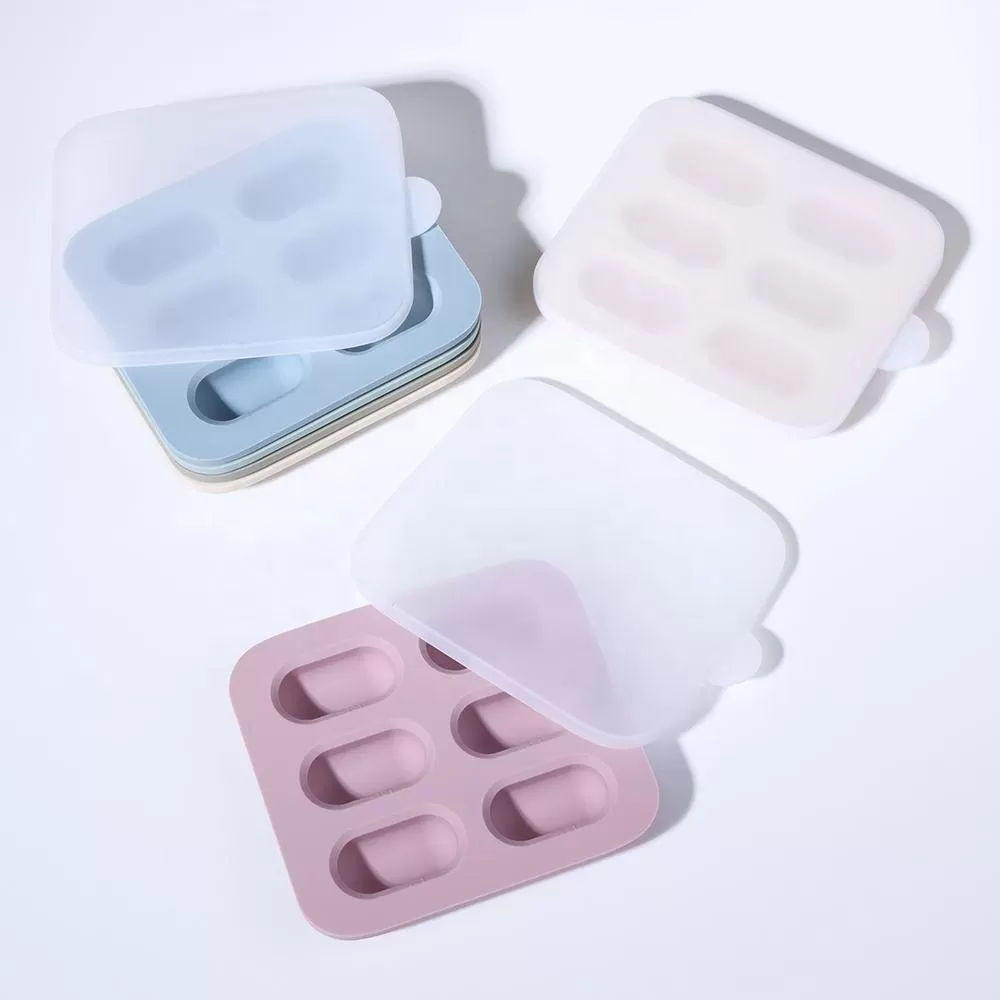
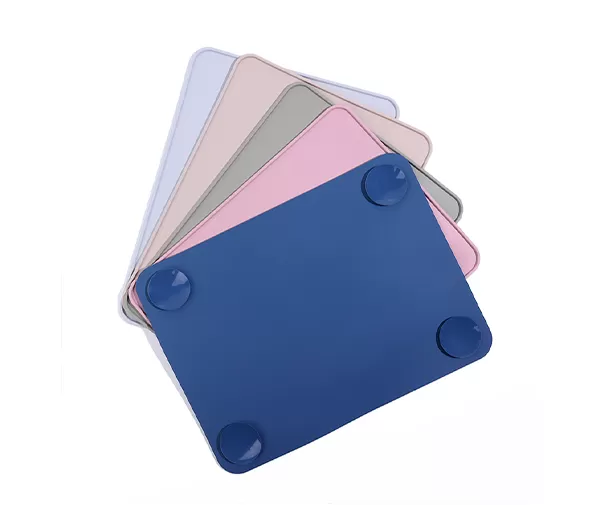
Food-safe silicone is used in cooking, baking, and dining ware very commonly. For example we use silicone mats, silicone spatulas, silicone muffin trays, and ice cube trays.
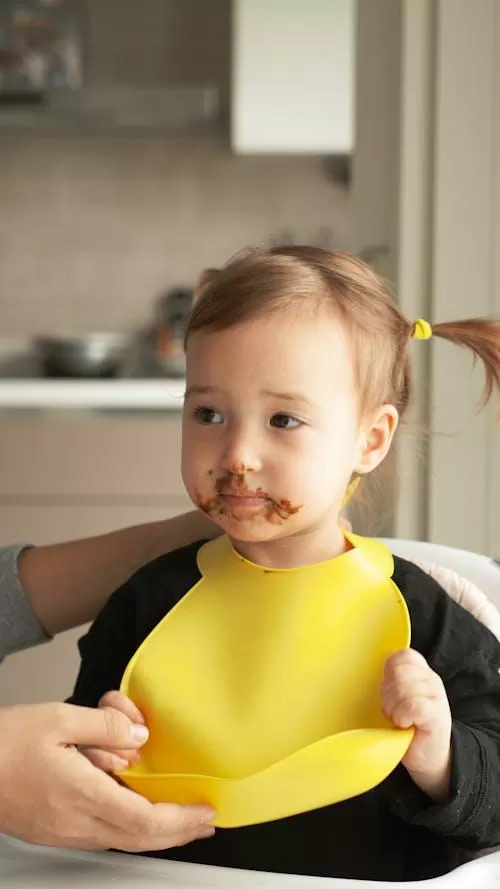
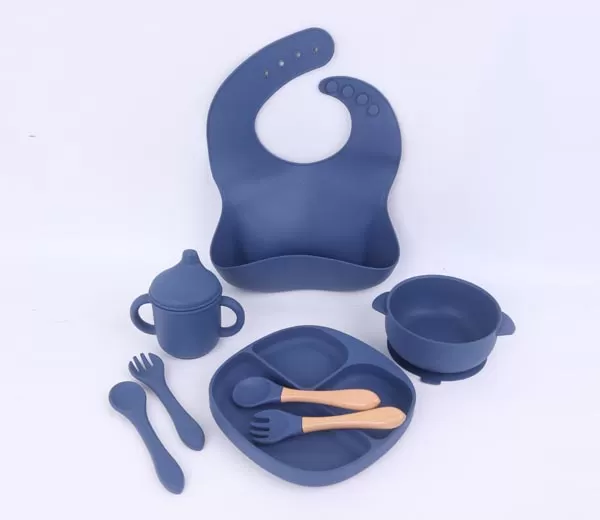
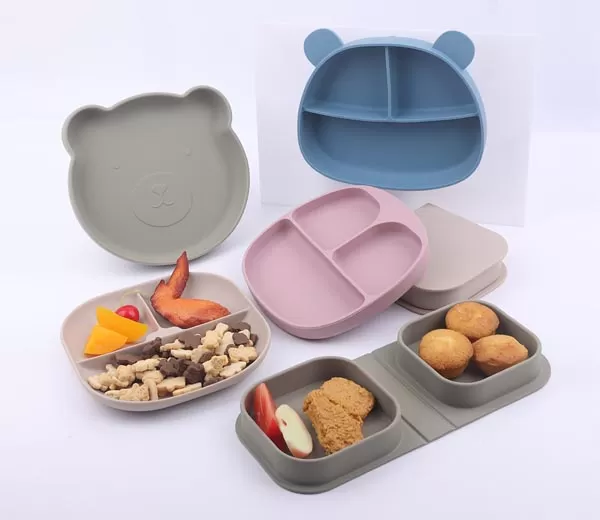
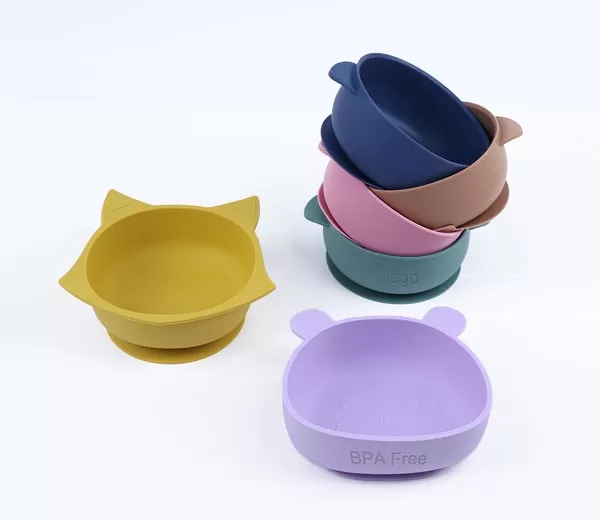
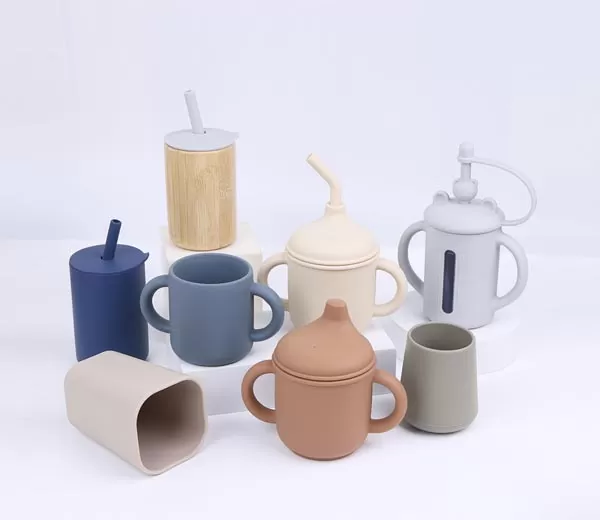
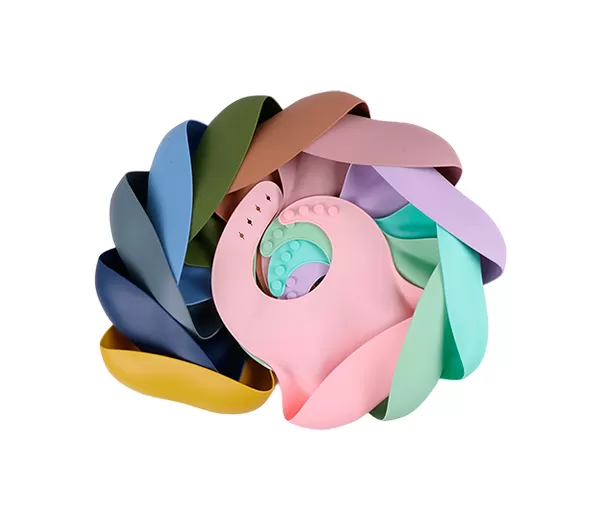
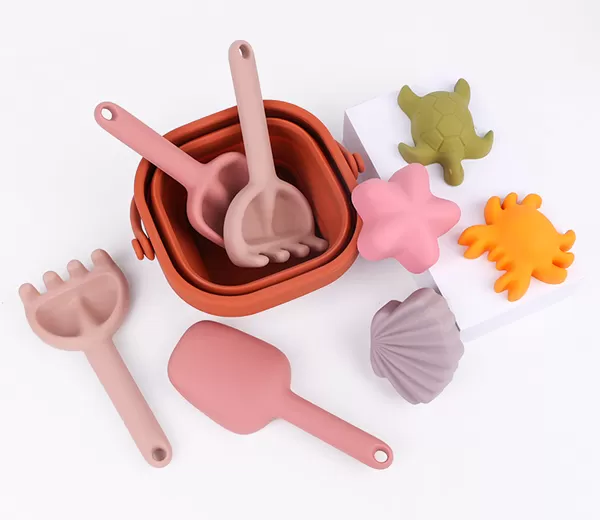
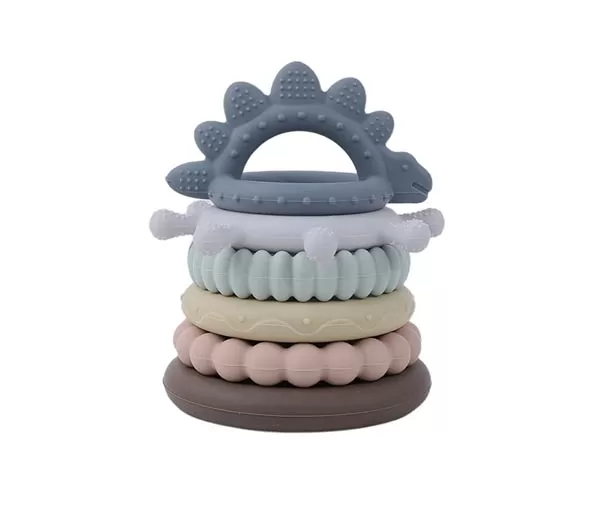
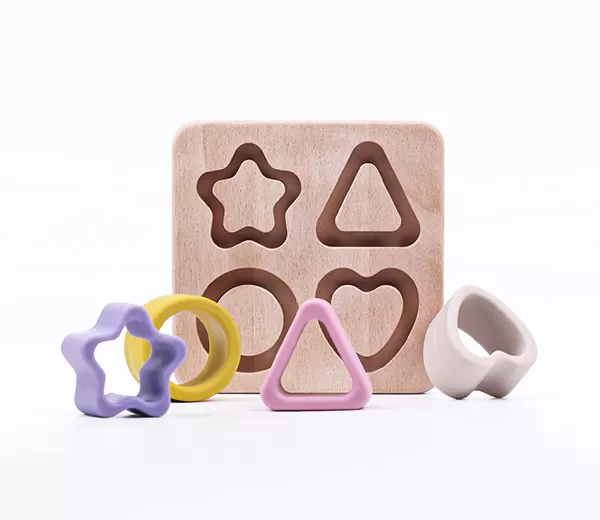
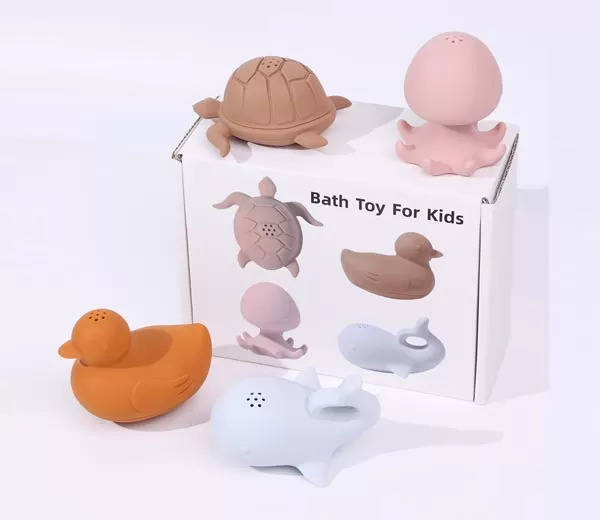
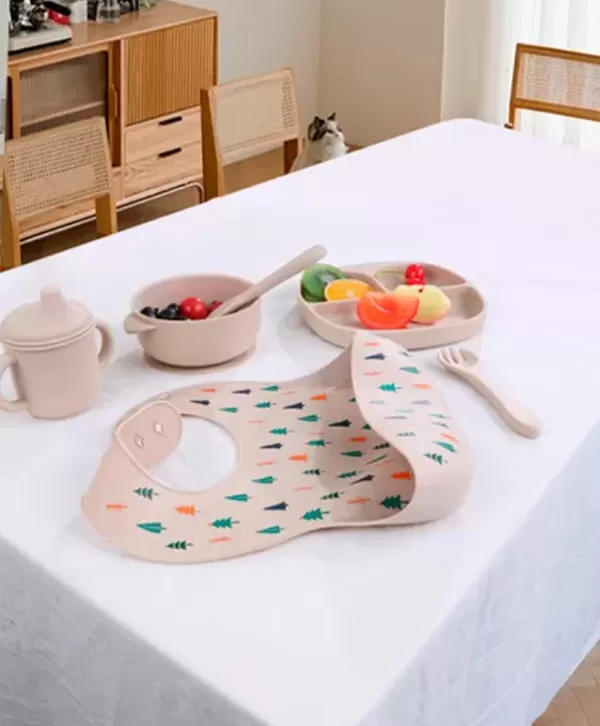
from baby toys to their bottles, nipples, teethers, pacifiers, silicone baby plates, bibs, and silicone bowls, food-grade silicone is among the top material choices for baby products.
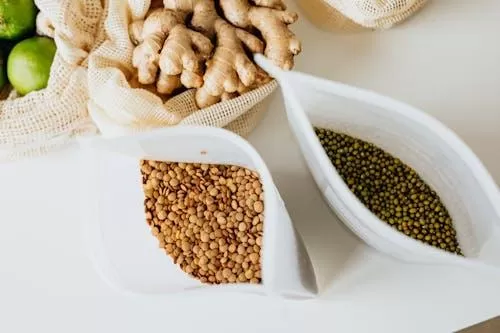
Plastic is becoming quickly redundant in food storage solutions, and its place is being taken by safe silicone solutions. We would say it’s well deserved. The recent popularity of silicone stretch lids and food containers along with the reusable food-storage bags is a proof of how it is a safer alternative.
Although medical-grade silicone is another category, it shares a huge number of traits with food-grade silicone. Both are hypoallergenic and stable.
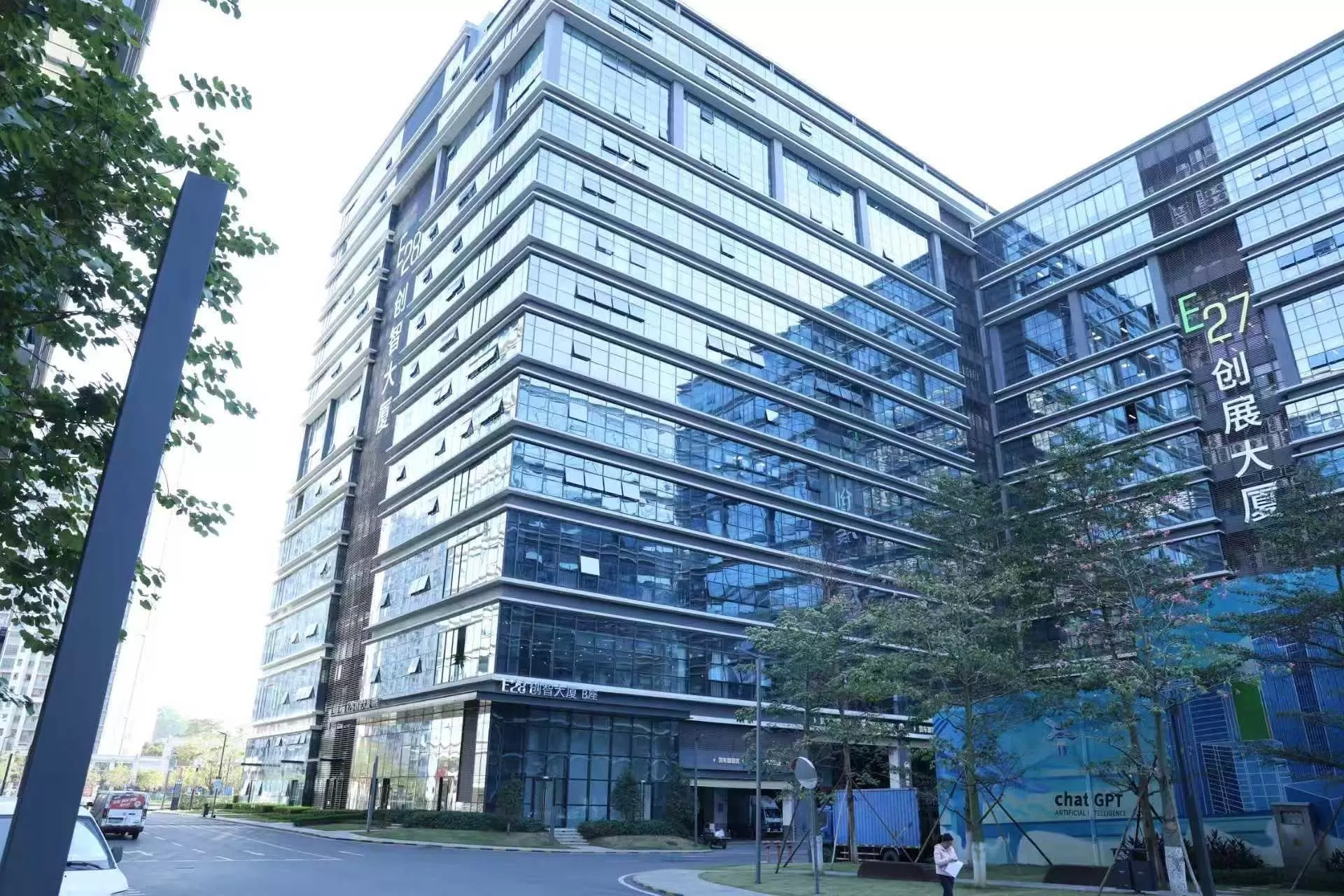
At Bangxing Silicone, we believe in solutions that do not impact the environment and our kids’ health negatively. Bangxing Silicone has been manufacturing high-quality platinum cured silicone baby products since more than 2 decades.
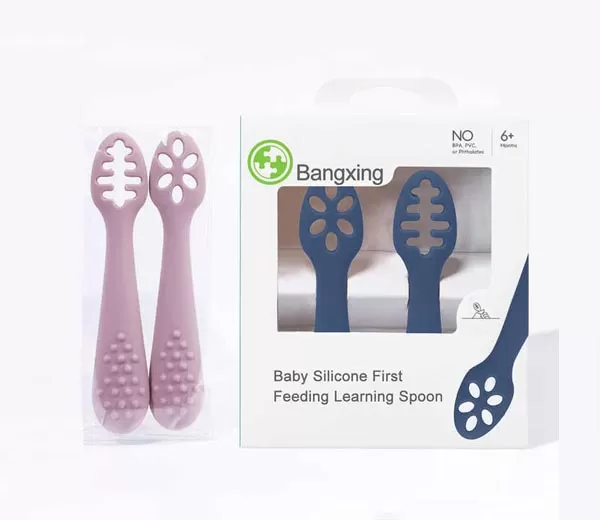
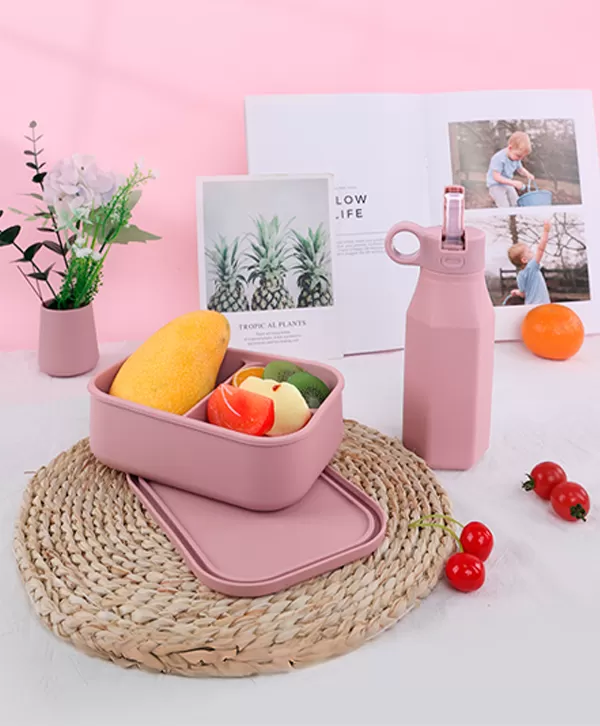
Our range includes baby feeding products like silicone baby bottles, silicone lunch boxes, silicone bibs, bowls, plates, pacifiers, and more.
Our products are not just innovative but also safe. We comply to the standards set by LFGB and FDA and our baby products go through rigorous testing. Our custom silicone baby products are top of the line, combining safety with customizability and innovation.
Silicone elastomers made with silicone, carbon, oxygen, and hydrogen, and cured using platinum are food-safe. They do not have impurities and additives.
Check for the LFGB and FDA labels. Pinch the silicone, if it turns white, it most likely have some additives and is not 100% food safe.
The platinum cured silicone is among the finest of silicones. It is safe for food related products and baby products.
Yes, since it does not have additives, and is based entirely on pure silicone elastomers, it is more durable, yet very flexible.
Use platinum–cured version because it can bear heat and is very safe. it has a non-toxic nature.
Take proper care of the silicone items, and you can use them for years. Always dry them before storing and when possible, avoid long UV exposure.
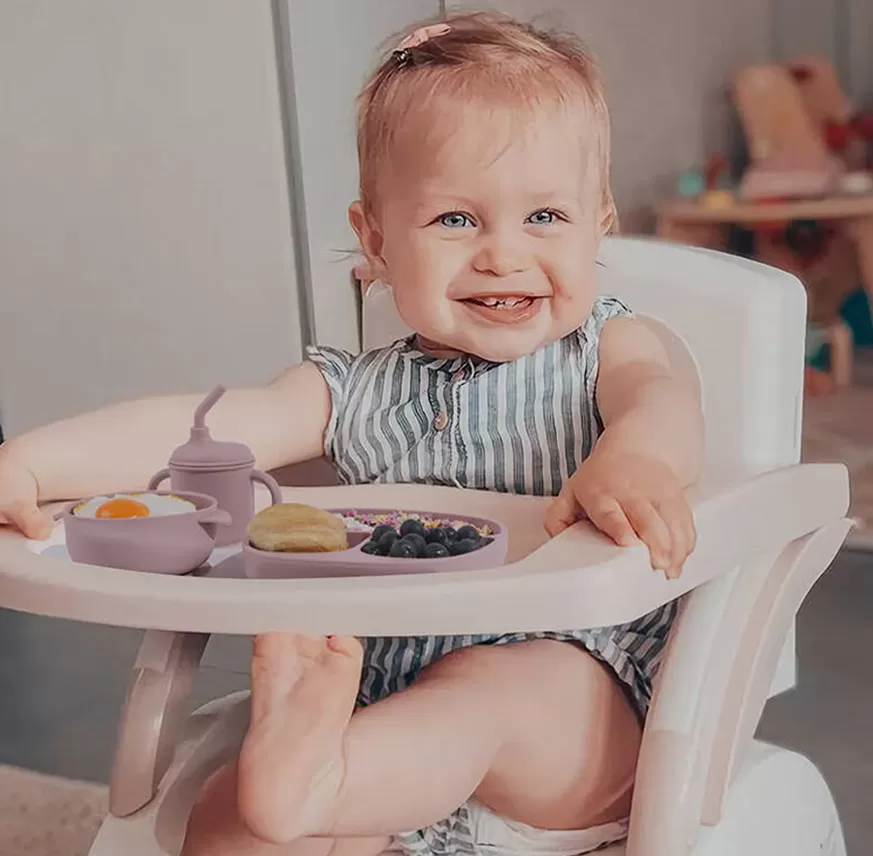 Shenzhen Bangxing Silicone Technology Co,.Ltd