

Address:
301,C2 Building, Xiakeng Second Industrial Area, Tongde Community, Longgang, Shenzhen, Guangdong, China.
Jun 26 2026
Learn More
 Shenzhen Bangxing Silicone Technology Co,.Ltd
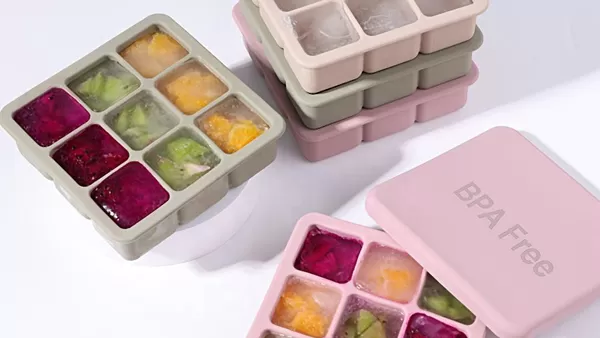
Does the idea of making chocolate molds or candle molds excite you? Or you want to start a fun and profitable side hustle by making prototype parts? If you know how to make a silicone mold you have unlimited creative possibilities. For hobbyists, as well as for side hustlers this can be really fruitful. But is it really your cup of tea?
The answer is an exciting yes. Some might say that silicone molds are too technical to make. But that’s a total myth. And you can never feel the satisfaction of making a mold from scratch until you’ve actually done it. What’s awesome about it is that it isn’t as costly as it sounds. We’d say, it’s totally worth a try.
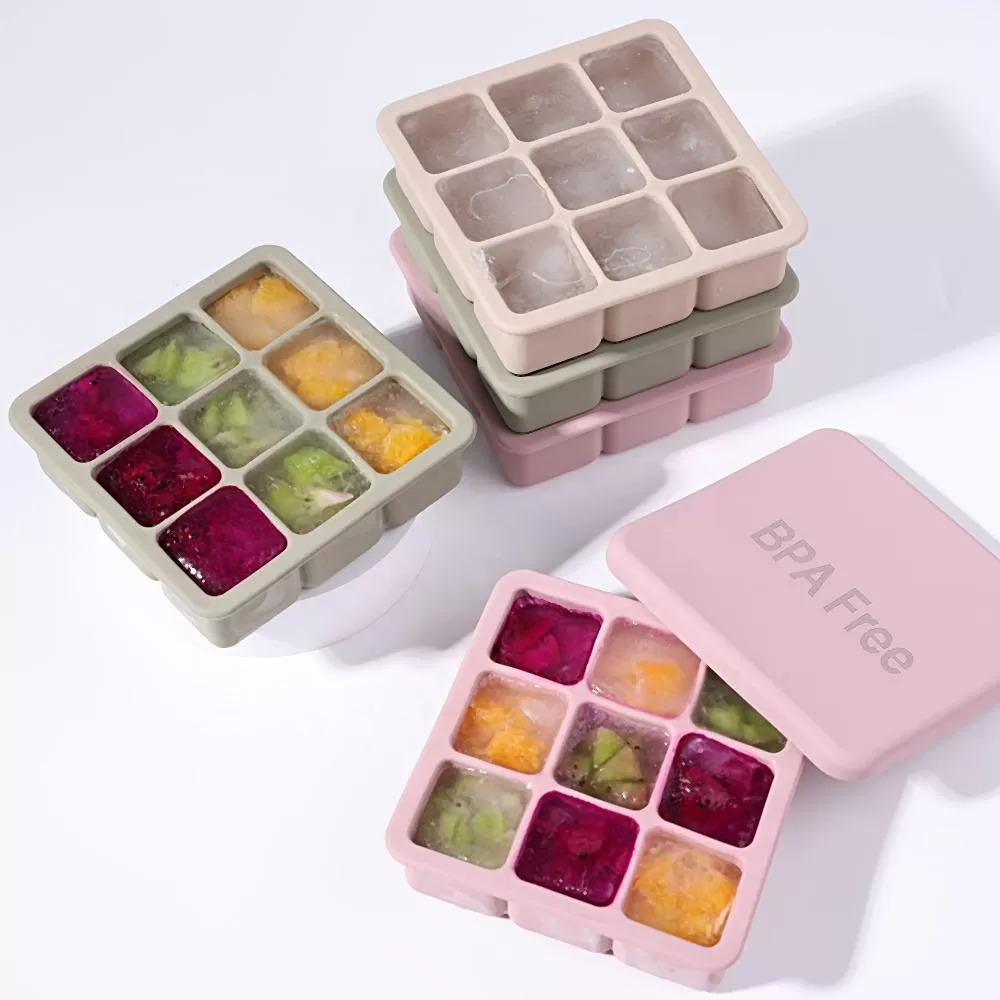
Here’s a comprehensive guide on how to make a silicone mold. This guide will walk you through the following:
What is a silicone mold
What materials should you have to make one
The steps, explained thoroughly with useful tips
What not to do when making a silicone mold at home
So, let’s de-mold the process step by step.
It is a flexible mold that you make with liquid silicone. It is durable and you can use it to cast almost anything from resins and chocolates to soaps, plaster, and even concrete.
One of the biggest reasons why these silicone molds are so popular is that they are flexible enough to release the delicate castings without any damage. This makes them so versatile, and you can use them in making literally everything from food items to jewelry, and more.
First, let’s find out why these molds are getting more popular than many older ones like plaster and polyurethane. There are a few reasons why silicone molds are the faves today.
Silicone is a flexible material and bends easily. This means you can cast even the very complex designs. You bend the mold, and the item comes off easily without damaging delicate parts.
These molds are good at capturing every smallest detail. Even the texture is copied with perfection.
Another advantage of these molds is that they are very cost-efficient. You can reuse them several times without tearing.
Unlike other molding materials, silicone comes in food-safe options. You can safely make your chocolate molds or ice trays using this option.
Now let’s get into the details of how to make a silicone mold from scratch. The first step is to get the supplies ready. Luckily, you won’t need an extended workshop with lots of stuff. Here’s all that you need for even the very detailed molds:
Liquid silicone rubber (LSR)
A master object, whose mold you need to make
A mold box or container
Mixing cups and a stir stick
Release agent
Gloves
If you want to skip the shopping around part for each one of the above items, and make the process even quicker, we suggest going for a ready-made silicone mold-making kit. For beginners, the basic 2-part silicone kits would do the job pretty well. It contains all the essentials you need, including the activator (part B) that ‘turns on’ the curing or hardening process of the liquid silicone (part A).
These kits are available easily through online stores like Walmart and Amazon. You can also get them from most local resin craft shops.
Pro Tip: If you’re after the high-quality, food-grade silicone molding kits that set well without any bubbles and offer repeated use, go for the kits offered by industrial suppliers.
For example, Bangxing Silicone, a seasoned silicone products manufacturer, even offers odor-free, food-safe premium kits. These kits use platinum-cured silicone, which is of the finest quality, has excellent flexibility, long life, and are FDA-approved for food items, medical parts prototypes, and baby products.
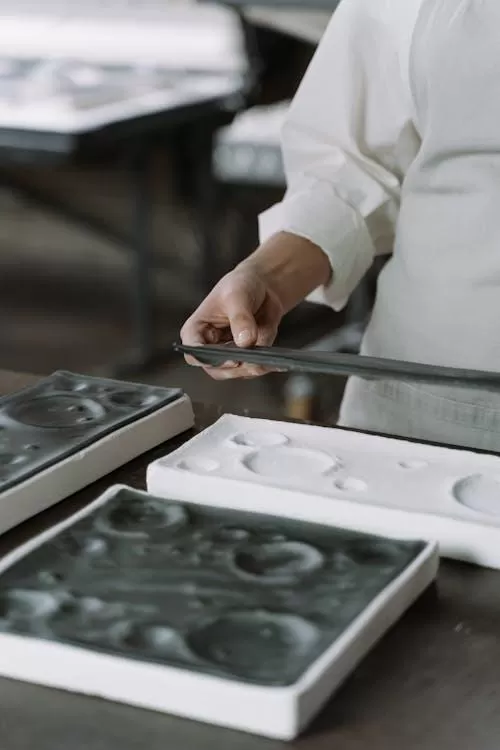
Let’s get into the details of the process itself.
Start with selecting the item that you will cast with the mold. If your object has a surface with pores, seal it first. Use a varnish or sealing agent. Smoother surfaces make better molds.
Your container should leave at least 2 cms around your master object. The best thing to do is to make sure your object stays glued to the bottom of the box. This means it will not float when you pour the silicone. You can use double-sided tape, hot glue, or even clay.
Don’t skip this part, or you’ll end up waiting for nothing but a de-shaped or torn-out mold. Apply the release agent on the walls of your box and on the object. Some DIY users also use thin Vaseline as an alternative. Applying release agent perfects the demolding.
Not using silicone in the given ratios can ruin your mold. Measure the quantities of both parts as told by the manufacturer. If possible, use a digital scale.
Once you’re done measuring, mix both parts in a mixing cup. Use stir sticks and keep mixing until you get a smooth and even consistency and color.
Tip: mixing slowly ensures you trap the minimum air bubbles. Avoiding air bubbles at this stage will help avoid them in the final product.
Instead of whisking, try rotatory movements with the sticks; this traps fewer air bubbles.
Now it’s time to pour the silicone in the mold box. You should be careful at this step.
Pour from one corner until your mold box is full. Pour slowly and do not pour on the object. Instead, select just one corner.
Trapped air bubbles can destroy the appearance and reduce the functioning of your mold. There are some common reasons for trapped bubbles in the mold. Your object’s surface is not sealed properly, or you pour from above the object. Secondly, you might be pouring too quickly.
For a perfectly smooth mold, tap the box a few times after it’s filled. If there are still some bubbles left, pop them. Most importantly, pour the silicone slowly. Do not pour from more than one point.
Now all you need to do is wait. While some silicone types harden within a few hours, some may take a whole day. When you’re using the kits that come with catalysts, the curing time can be reduced to some extent. Make sure your box remains stable, and you don’t move it during the entire hardening process.
Finally, it’s time to take it out. Demolding requires care, even when you’ve done it all right at every step of the process.
Remove the container first. Now, slowly and with patience, peel the hardened silicone mold off the object. If you are not patient enough, you might tear the mold on detailed and delicate parts. Different
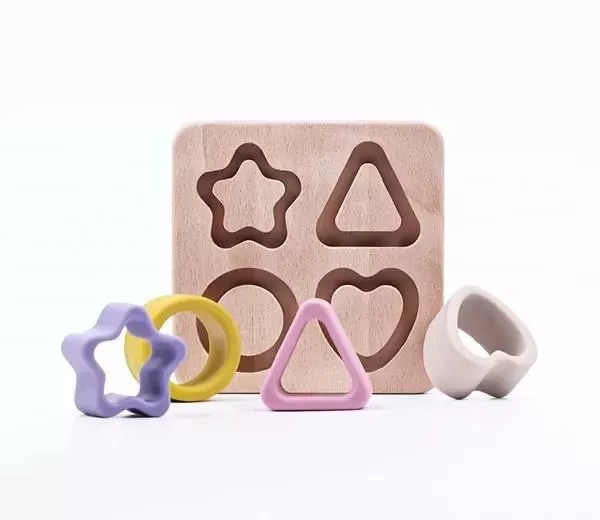
Depending on what you want to use a mold for, and how detailed you want it to be, there are usually three types of silicone molds.
These are popular when making simpler designs that are not very complicated and do not require a lot of detail.
These molds are ideal when you are casting highly detailed, 3D objects or when your product will have small, complex parts.
This type of mold is used for larger objects, like sculptures.
Different uses call for different types of silicone molds. Using the right type can help serve the purpose appropriately. For example,
For casting resins, you should select the silicone that has high strength and doesn’t tear easily.
For candles and soaps, you don’t need to invest in an extra-strong silicone type. Medium-strength and flexible silicone molds would perform well here.
For chocolate molds, baked items, ice trays, and other food items, never settle for anything less than food-grade, FDA-certified silicone. For these cases go for food-safe and heat-resistant silicone by suppliers like Bangxing.
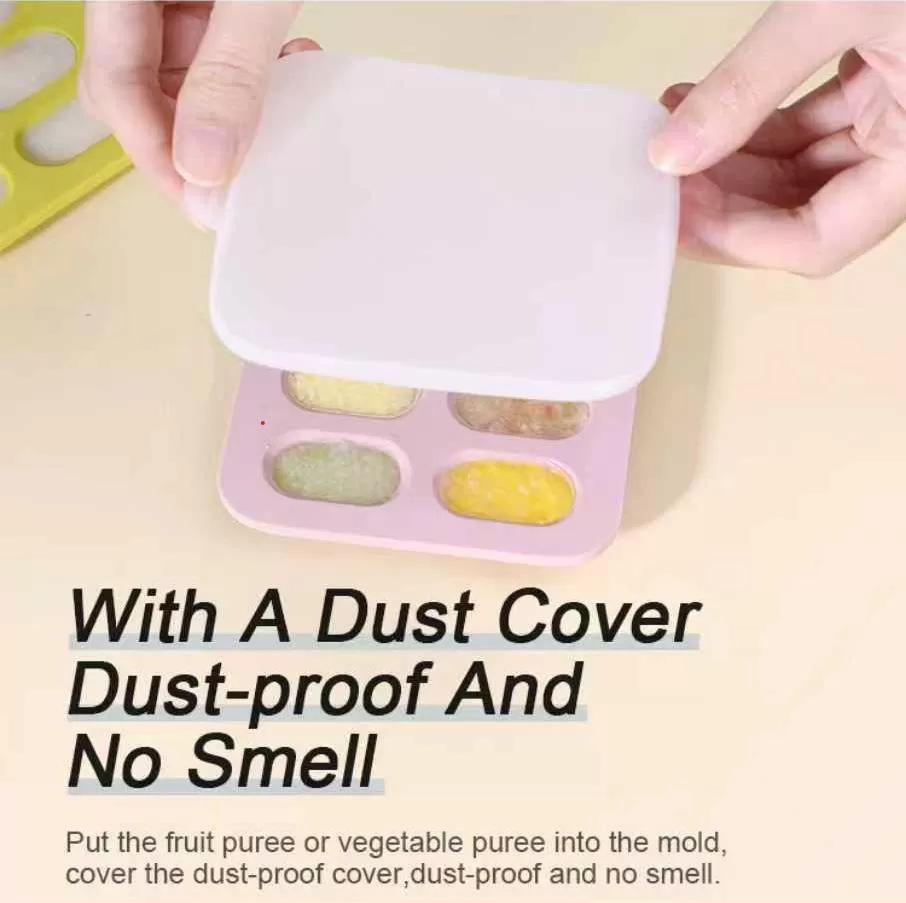
If you want to make clean, highly professional, tear-proof molds, you need to follow a few expert tips.
When it comes to a mold box, transparent ones are always a better choice. They let you see through, so you can spot the bubbles easily.
Make sure your box and object are clean and dry. Also, keep the moisture away from the silicone mixture as well. Moisture can interfere with the curing process.
Brushing a thin first layer will make sure the fine details are covered and then you can pour the rest of the silicone.
Even with years of experience, you can make mistakes. There are some things you should look out for when making molds.
This is the biggest culprit of molds that do not end well. Follow the mixing ratios given by the manufacturer strictly.
Pouring quickly not only traps more air but can also lead to incomplete filling and affect the mold’s quality.
Let the silicone cure completely. If you tear the mold off too early, the mold will lack the strength and will tear very easily.
Always make sure to use the correct type of silicone, or all your efforts will go to waste. For applications that call for heat resistance, use that specific silicone type. Moreover, for food items, use food-safe silicone.
Yes, they can. Beginners can actually make excellent molds if they are patient and using the right technique. Starting with simpler projects, like soap molds, can build confidence. Then you’ll only get better with time and experience.
Yes, for both hobbyists and professionals learning how to make a silicone mold opens doors for profitable side hustle and above all, it’s fun. You can make from scratch, designs that you can call your own. You can make custom products and can test different prototypes.
If you are into making molds for food items, baby products, or other uses that ask for safer materials, Bangxing Silicone’s high-quality silicone is worth a try. They offer heat-resistant, tear-free silicone that is FDA approved and is safe for food contact.
For both the DIY users and commercial mold makers, getting your silicone from a certified industrial manufacturer like Bangxing makes mold making more fun and fruitful.
Yes, it’s very much possible. Just make sure you tap the container again and again to release air, pour patiently, and use a transparent container, so you can pop the bubbles.
Yes, it works well if you are brushing a thin layer. Some DIY crafters mix it with spirit to make it thin and to remove lumps.
It can mostly take a day, or sometimes couple of days. However, it stops being sticky after a few hours.
You should aim for at least 2 cm thickness. This will help avoid tearing.
Not very much if you are a DIY mold maker. A simple homemade DIY mold will cost you more or less $20 to $50. Highly complex, commercial molds can cost in thousands of dollars.
 Shenzhen Bangxing Silicone Technology Co,.Ltd