Address:
301,C2 Building, Xiakeng Second Industrial Area, Tongde Community, Longgang, Shenzhen, Guangdong, China.
Jun 26 2026
Learn More
 Shenzhen Bangxing Silicone Technology Co,.Ltd
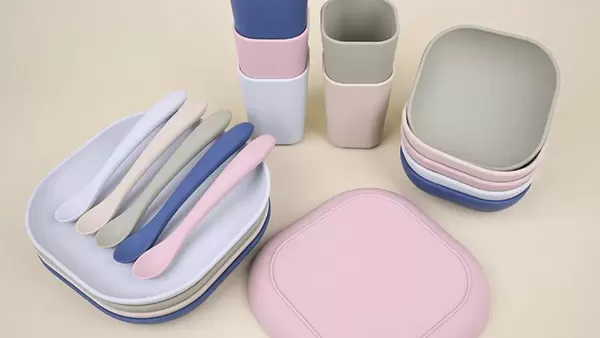
Selecting a reliable supplier isn’t just another usual business decision; it can shape your entire brand. The right manufacturing partner helps you deliver safe, high-quality products and scale confidently without setbacks. Silicone baby products heavily rely on safety, consistency, and brand experience. All of these factors go hand in hand.
In this comprehensive guide, we’ve outlined the key criteria for selecting a supplier and discussed how a trusted manufacturer like Banxing Silicone meets expectations on MOQs, lead times, certifications, customization, and logistics.
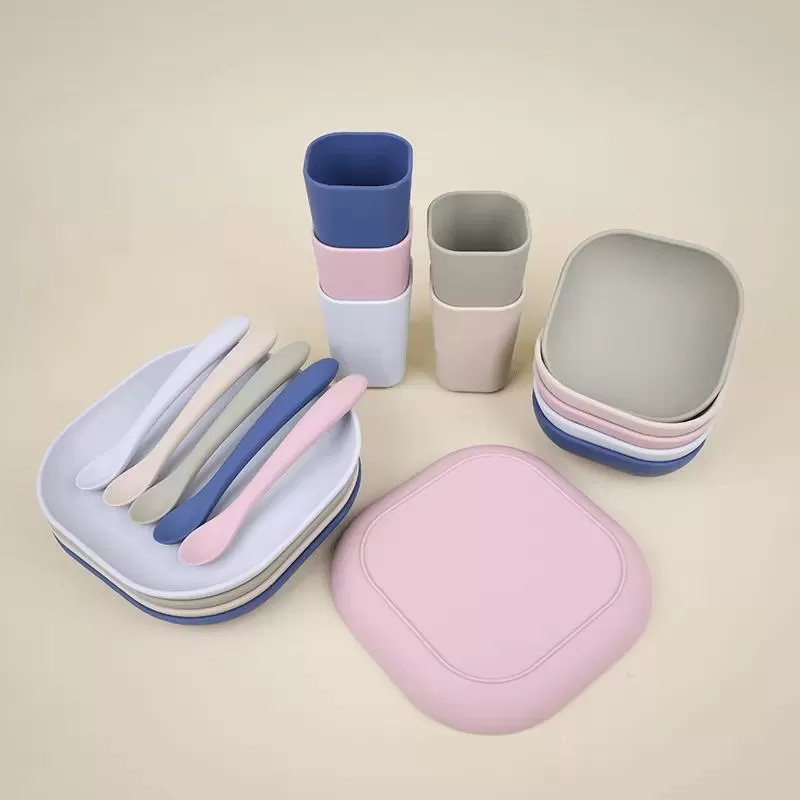
When it comes to baby-related products, including silicone baby products, the global market is highly regulated. Hence, to gain access to broader markets, retailers must demand lab-test results and certifications from third-party testing laboratories relevant to their markets (e.g., food contact safety by FDA/LFGB for food-safe materials and CE/EN71 for toys).
Ask to be provided with the most recent test reports on the products in each of the product families (silicone material, coatings, and inks).
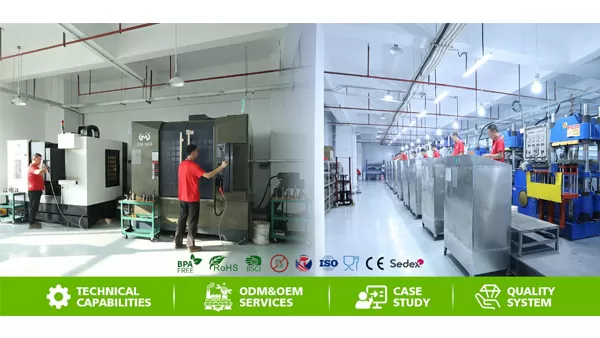
Request copies of applicable certificates (CE, EN71, FDA, LFGB, RoHS, and CPSC).
Ask if the factory conducts internal QA testing and has internal batch traceability (material lot numbers and test records).
Certifications act as your ticket to global markets, and they defend your brand if a regulator or a customer requests evidence.
At Banxing Silicone, we have a fully established certificate and test report library, and we provide them to buyers at the quoting stage to ensure compliance can be proven before placing an order.
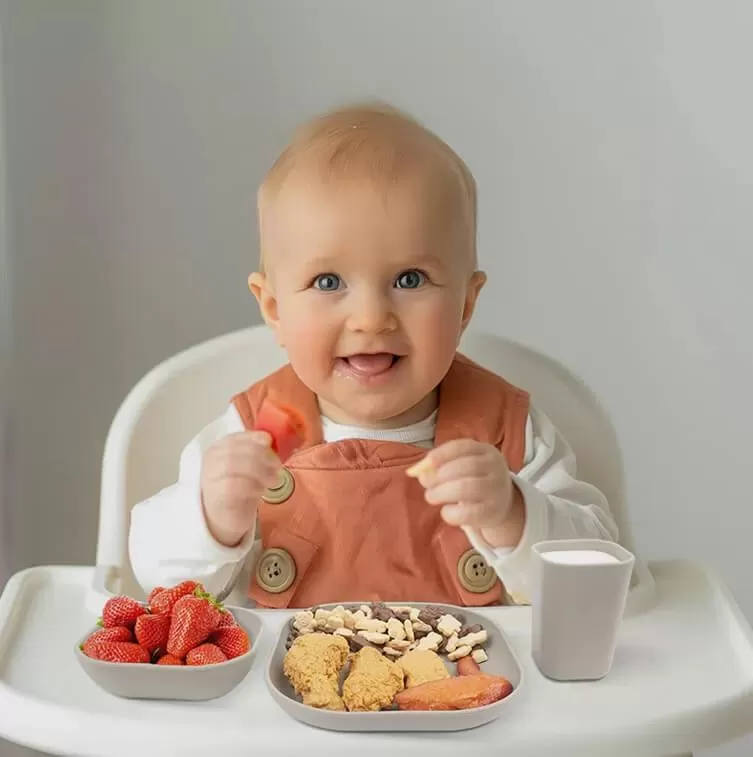
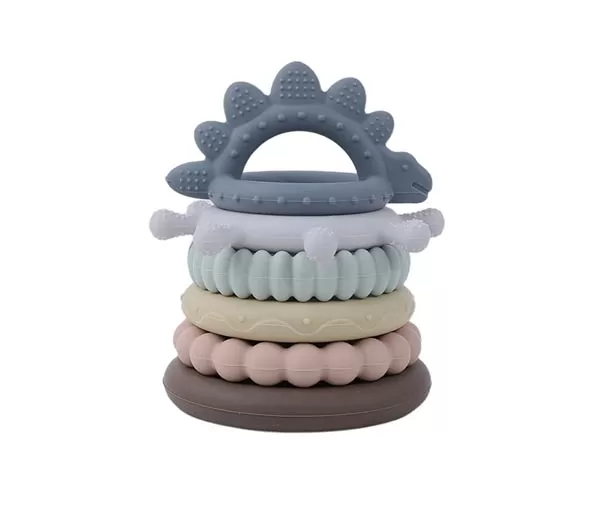
Choose suppliers whose core product portfolio aligns with your requirements. One supplier that can do everything may be less reliable than one that specializes in baby feeding sets, teethers, and similar products.
Are there SKUs you plan to sell (bowls, plates, bottles, bibs, teethers, beads) that the supplier also sells?
What is the number of SKUs or product families on their list compared to the number they are currently producing?
Are they updating designs regularly, especially for seasonal updates, and as the trends shift?
The reason this is important to you is that a supplier specializing in baby silicone items will already have tooling and safety expertise, as well as a history of molds, which reduces the time to develop and the risk of defects.
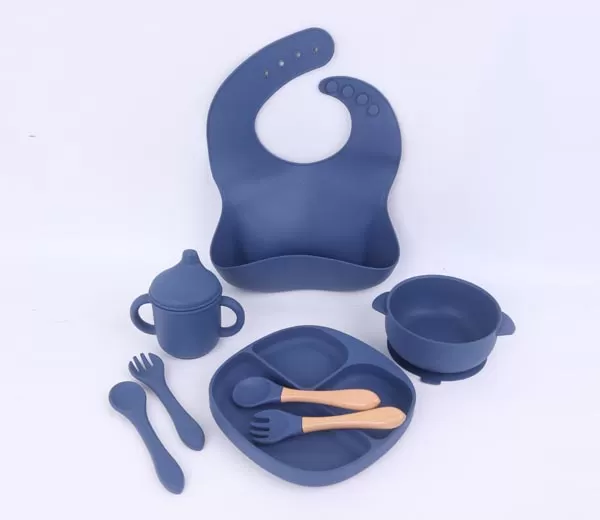
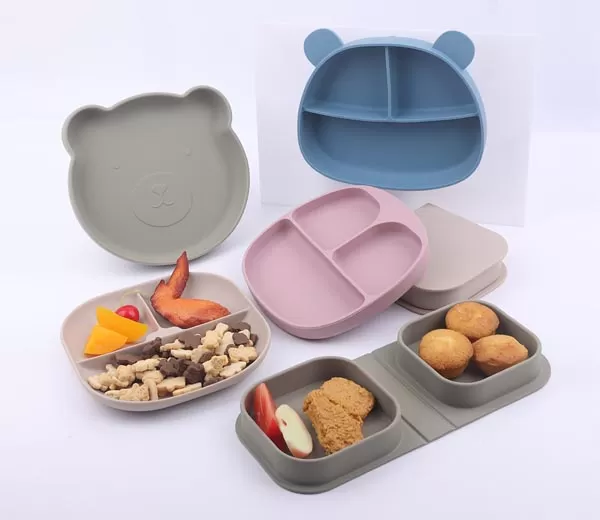
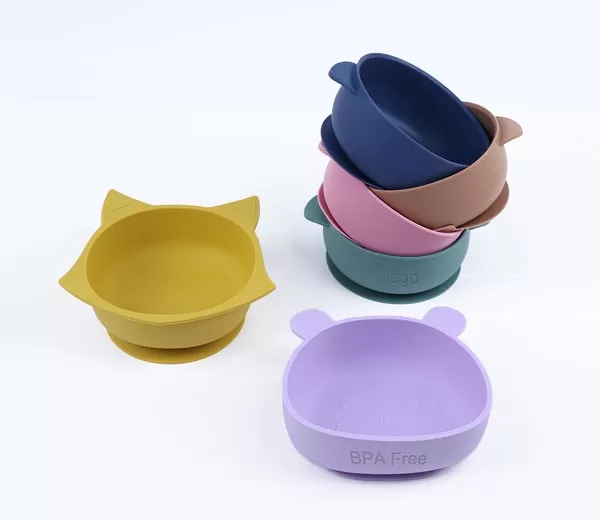
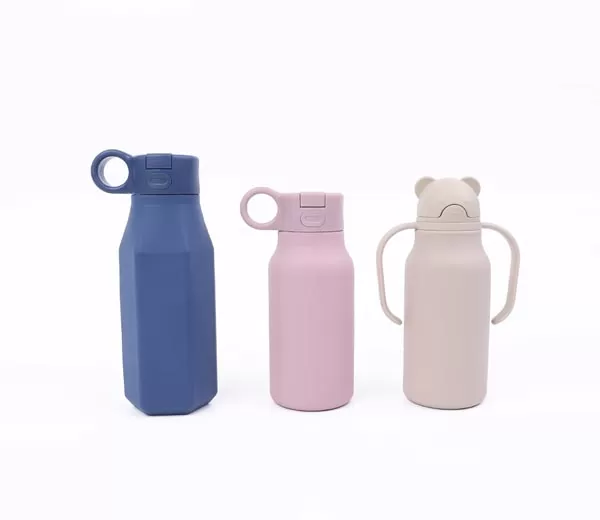
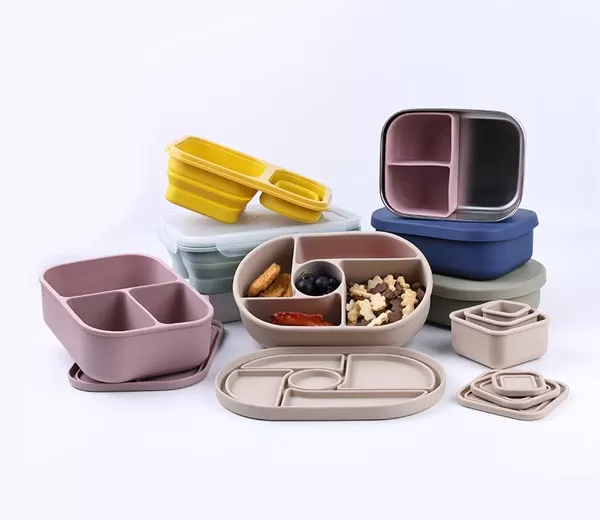
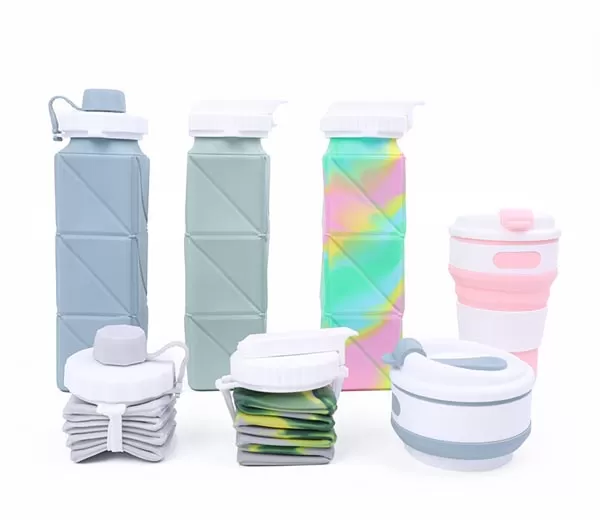
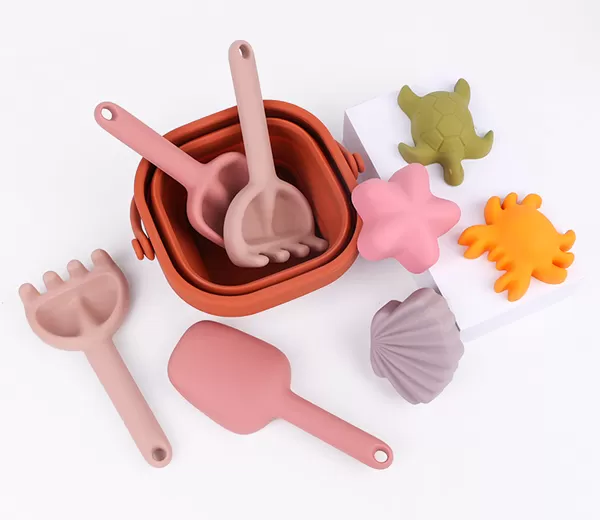
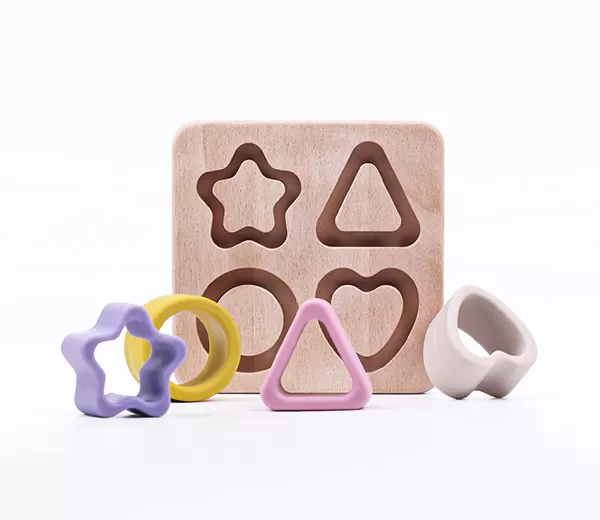
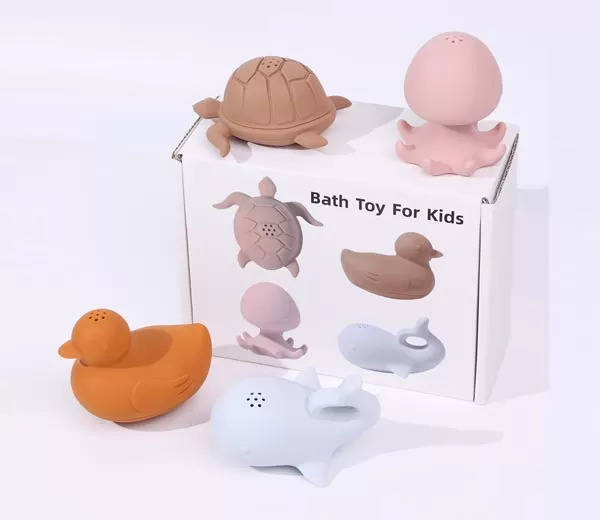
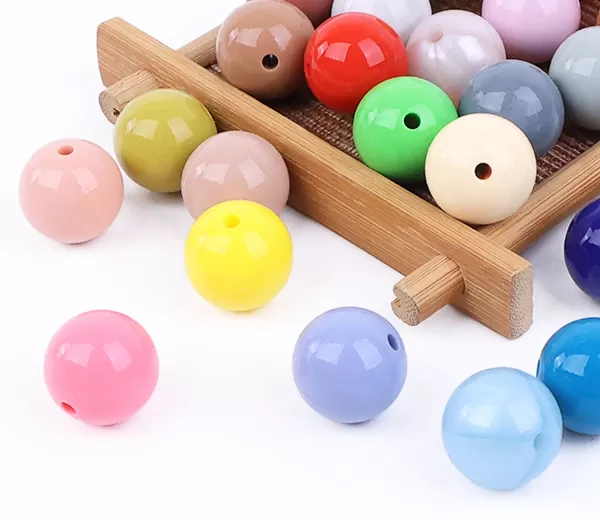
We have a catalog that includes, but is not limited to:
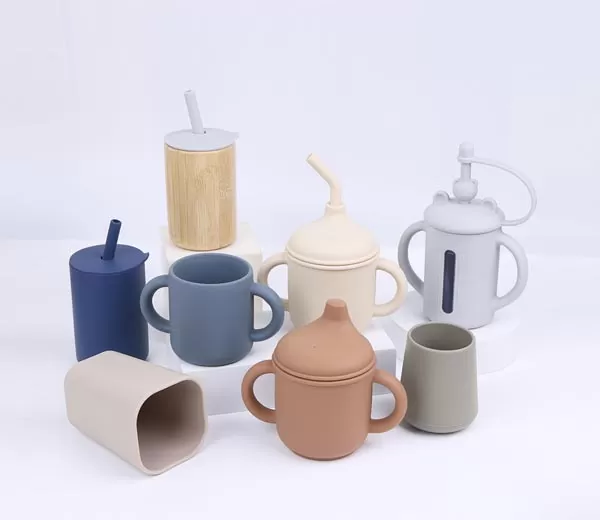
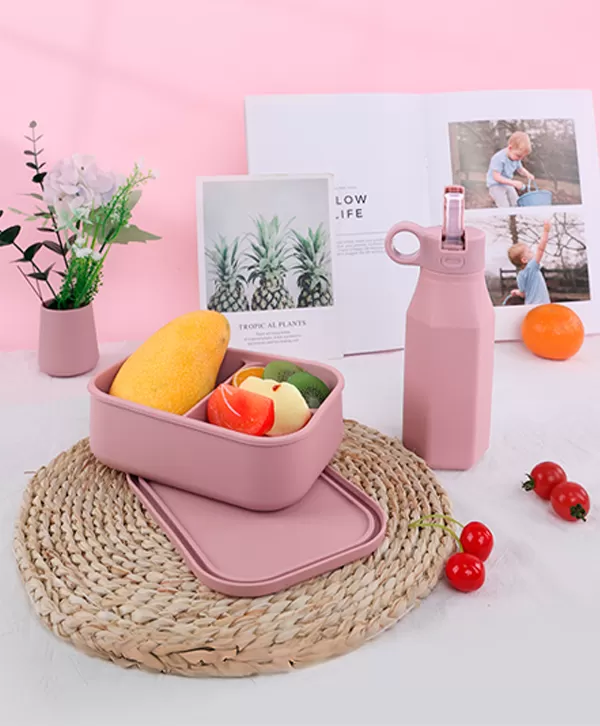
Silicone bottles for babies and toddlers
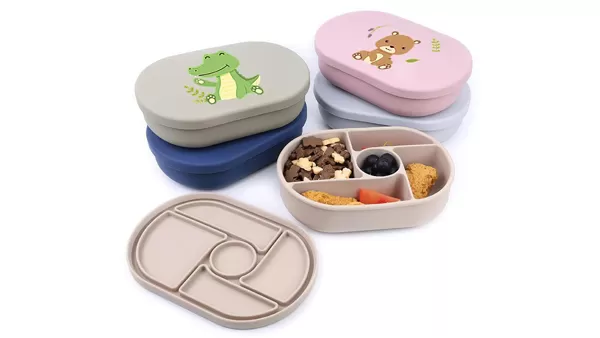
Lunch Boxes
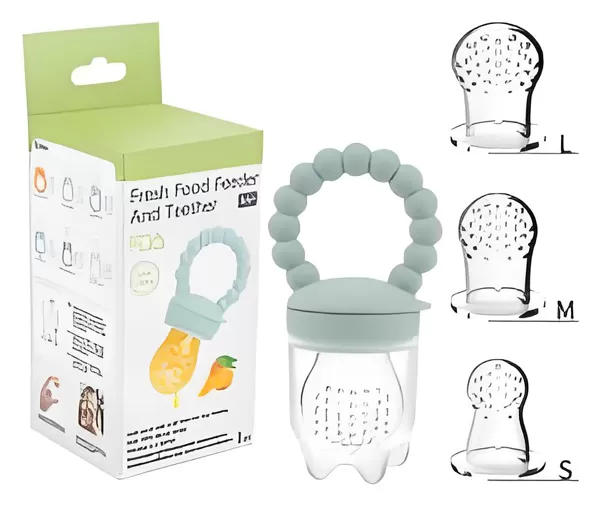
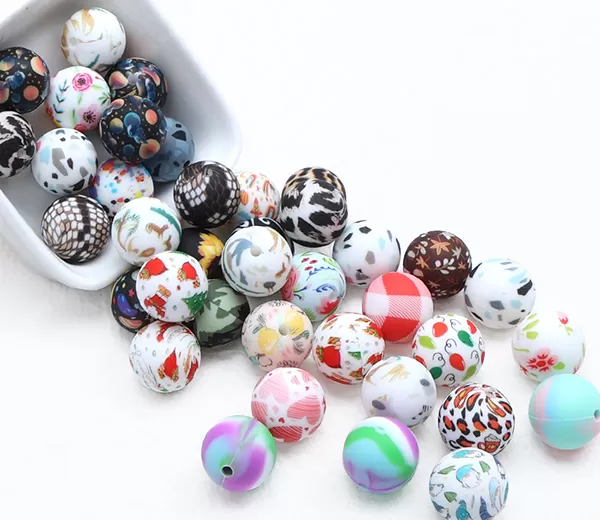
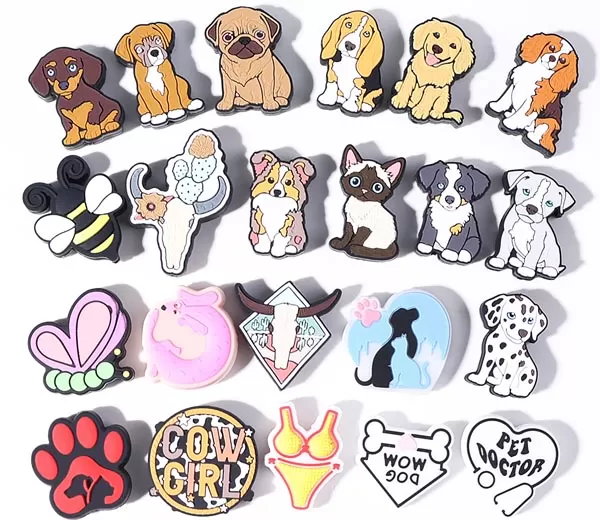
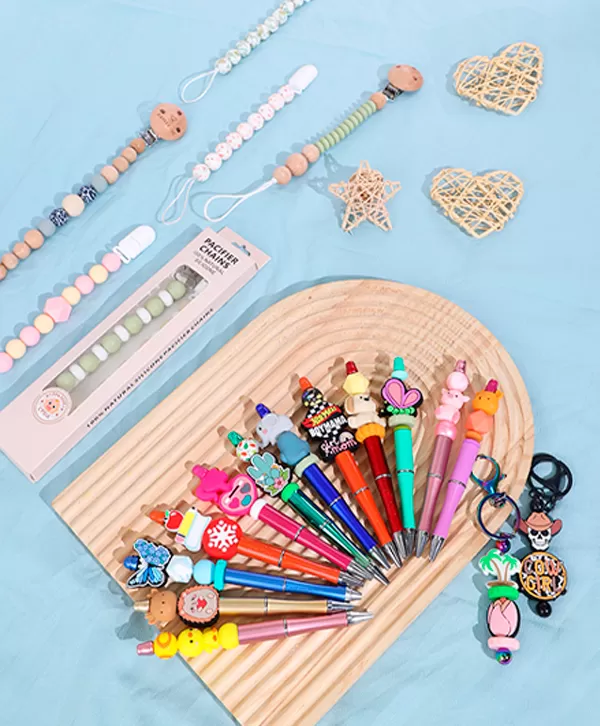
Toys and Beads
We introduce a new design every month to help our retailers plan their range and stay abreast of evolving trends in the baby products market.
Decide whether you require pure white-label production, design assistance, and packaging. Assess the supplier's security regarding your IP and private designs.
Question on the control of ownership of tooling (who owns the mold when production is done?).
Verify the NDAs and the supplier's signature on the IP protection clause.
Ask to see some previous OEM/ODM projects, including the time frame between drawing and market sample.
ODM partners can accelerate the design of existing designs; OEM partners can allow you to label existing proven products.
We provide complete OEM/ODM services, encourage DFM (design for manufacture), and provide sample pictures and DFM responses before tooling to reduce reallocations.
MOQs determine the likelihood of testing a product in your market and the speed with which it can be scaled up. MOQs tend to vary by product type.
Request a definite MOQ for SKU, color, and custom printing and embossing.
Enquire whether it has lower MOQs than for stock items, and whether it applies to fully customized items that require tooling.
Determine the break points for price (e.g., unit price at 100 / 500 / 1000 / 5000 pcs).
Most silicone vendors are tempted to propose low MOQs based on stock part SKUs (in some cases, 10-100 pcs) but tend to charge more when new tooling or a custom colour is needed. For custom beads, teether, and feeding, MOQs can vary significantly by SKU; therefore, request written line-item MOQs for each SKU.
We also post standard MOQs and provide straightforward pricing for colors and printing options without any hidden charges. This enables our buyers to plan pilot orders and scale safely.
Samples prove quality, and this one-step ahead of any larger commitment is the most critical step of all.
To make a learned choice that you don’t regret later, ask for the following:
Sample lead time (off-the-shelf and custom sample).
Mold tooling estimation of lead time and estimated tooling cost.
Sample units are charged or free to serious purchasers (who pay to have them freighted).
Here are the Typical timings to expect from Banxing Silicone, although it obviously varies according to specific details for each project:
Sample off the shelf: 2-7 days.
Other sample Custom prototype (no tooling): 3-7 days, depending on complexity.
Mold fabrication + first samples: usually 20-45 days based on the complexity of the mold and workload on the tool.
Lengthy variable sample and mold lead times slow down your go-to-market. We offer quick support on samples we create, in most cases within days, and will provide realistic tooling schedules in the early stages so that you can plan launches and marketing.
Discover how the supplier avoids defects and handles them when they take place.
Request their QC (incoming raw materials, in-process checks, and end AQL checks).
Ask for new statistics on defects by recent date, or CA (corrective action) illustrations.
Discuss pre-shipping inspection conditions and whether they run a third-party inspection of an order on launch.
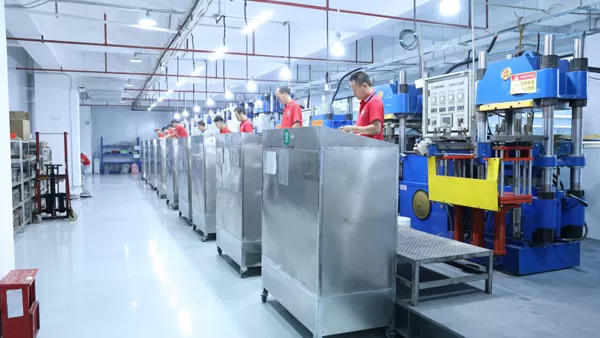
Quality control leads to fewer recalls. We conduct regular inspections at the intake of raw materials, during assembly, and pre-shipment. We provide photos and inspection reports for each shipment and discuss any corrective measures for quality defects.
Packaging should be included in product compliance and brand experience specifications from the outset.
Custom packaging options, such as private-label cartons, colored boxes, logo printing, and hang tags.
Printing in multiple languages, safety icons, and barcode/ISBN.
Tests of packaging, e.g., drop test, carton strength, and supply of retail-ready packaging by the supplier.
Both online listings and shelf versions of the retail world require professional packaging and proper labeling. We encourage using your own labels and can print cartons and POS materials to order, reducing your effort in receiving and re-shipping.
Check the supplier's lead times and scalability when your product goes viral.
What is the standard lead time (PO to shipment) for small, medium, and large orders?
Supplier capacity, monthly, per product family
What shipping options do they have (EXW, FOB, CIF), and do they have door-to-door logistics?
A supplier who cannot scale will force you to change vendors mid-season. We also post lead-time predictions for stock and custom orders, support a variety of shipping terms, and enable order planning for retail seasonality. To achieve agreed lead times, we block production capacity with large programs or repeated programs.
Quick, open communication minimizes errors and expedites turnaround. A cooperative after-sales services department shows how much the supplier cares about the buyers.
Late responses, lack of ownership of different projects, or lack of a single point of contact to update on the orders. These are some of the common problems faced by buyers. This results in overreliance on generic email discussions that go undocumented.
We always assign a dedicated representative to each retailer and maintain a documented record, including drawings, DFM notes, inspection reports, and shipment tracking, so you will always be aware of the status.
Retailers have more and more to demonstrate sustainable options to clients.
Are materials clearly explained (100 poly silicone vs. silicone mixture)?
Other types of recycled material, alternative packaging
certificates concerning chemical safety (SVHC statements, RoHS compliance)?
Sustainability measures in manufacturing our silicone baby products are evaluated and supported by records. We offer food-grade, safe materials for babies. For example, bamboo or stainless steel, along with food-safe silicone and relevant certifications to ensure eco-friendliness.
At your first sitting with your silicone baby products manufacturer, don’t forget to enquire about the following:
1. Product catalog, SKU MOQs, and price quotas.
2. Applicable certification and current test reports of the product line.
3. Sample policy, sample lead times, and sample cost (where applicable).
4. Standard lead times for tooling, small orders, and bulk orders.
5. QC activities, and report on sample inspection.
6. Sampling and packaging images and choices.
7. Mentions or recommendations by your customers in the market.
1. What MOQs do you offer for silicone baby products?
MOQs depend on the complexity of the products and the level of customization. Usual mosquito silicone components have low MOQs, while custom-dyed items, embossing, or tooling require higher MOQs as the material is batched in bulk, and setting up these tools may require additional investment.
2. Is it necessary to have new molds for each design?
This is needed when you do not have a design that is similar to the tooling. When you choose to use a catalog design, there is no mold fee. New molds are required when new shapes, textures, or features of the product are added.
3. What is the average duration of development of OEM/ODM?
Time varies between 3-7 days for simple changes to the concept and 20-45 days when tooling is required.
4. Is it possible for retailers to make mixed SKU/color orders?
Yes, at Banxing Silicone, we accept mixed SKUs within the same order, though, per SKU or color, there may be an MOQ. We will clarify this upfront.
5. Are your silicone baby products dishwasher safe and microwave safe?
Yes, the silicone that we use in these baby products is temperature-resistant and can be used in dishwashers or microwaves. But non-silicone items limit their use. Check labeling for each SKU.
6. Do you offer retail-ready packaging?
Yes. You can go for tailor-made packaging, barcodes, hanging cards, and carton printing, which saves you time and money on repacking and helps in branding.
 Shenzhen Bangxing Silicone Technology Co,.Ltd