Address:
301,C2 Building, Xiakeng Second Industrial Area, Tongde Community, Longgang, Shenzhen, Guangdong, China.
Jun 26 2026
Learn More
 Shenzhen Bangxing Silicone Technology Co,.Ltd

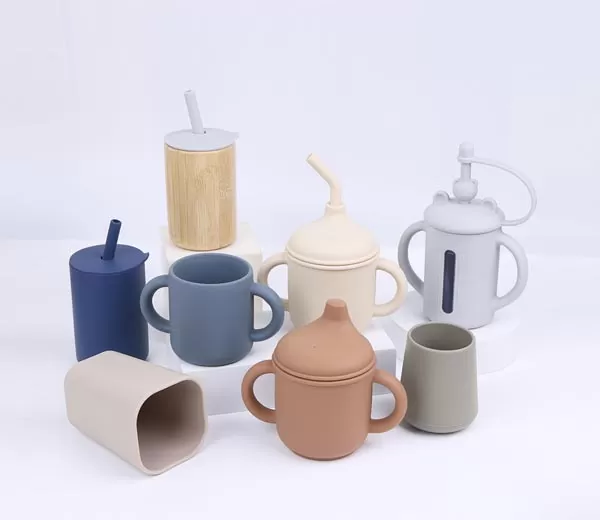
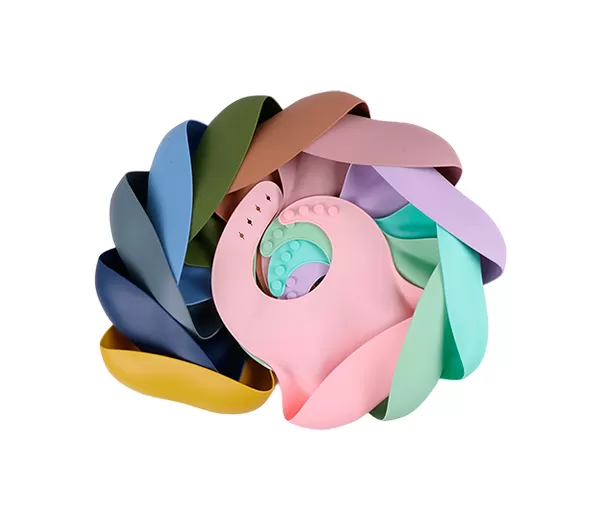
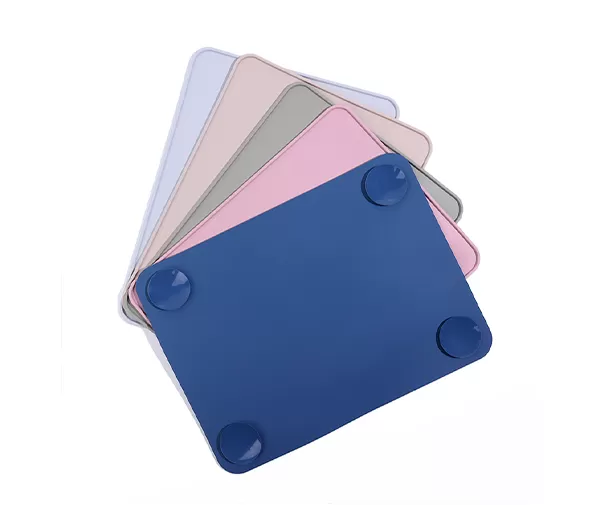
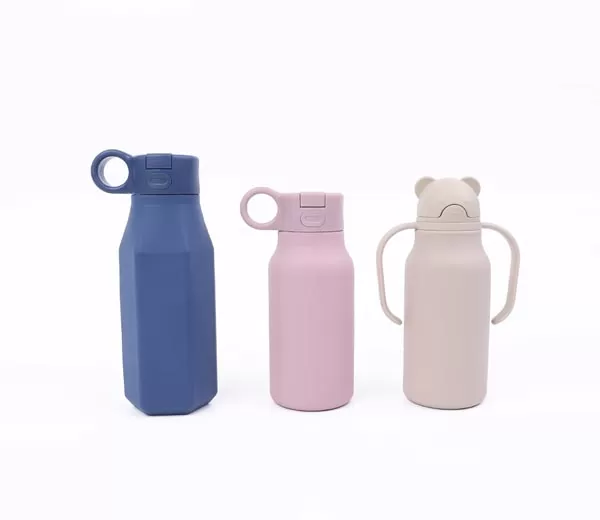
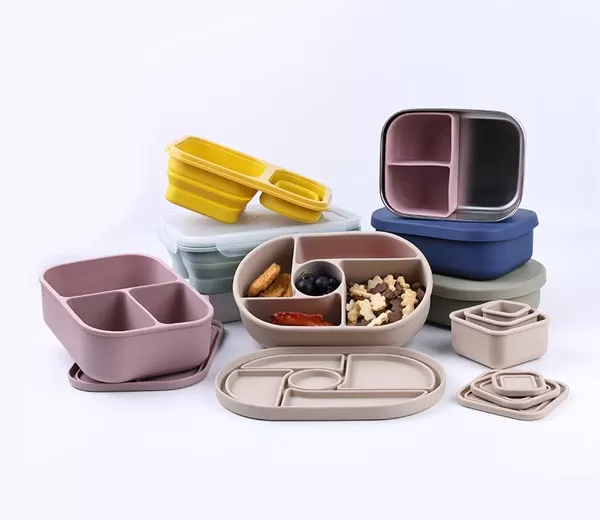
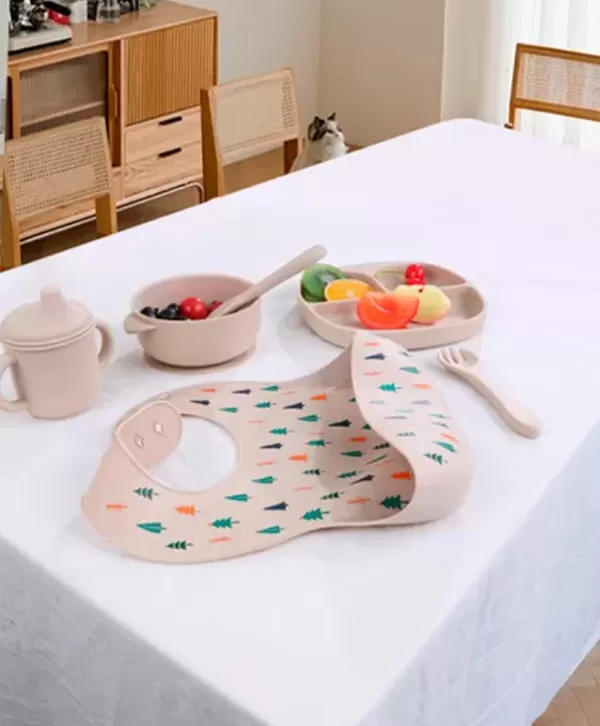
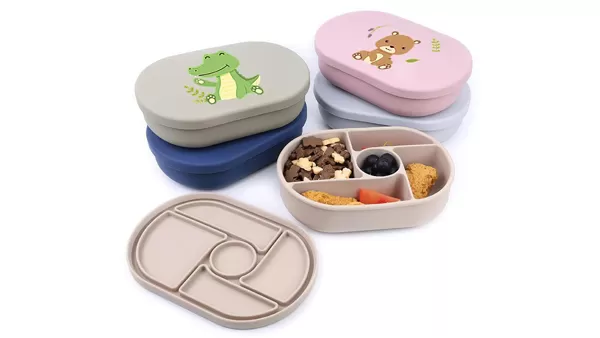
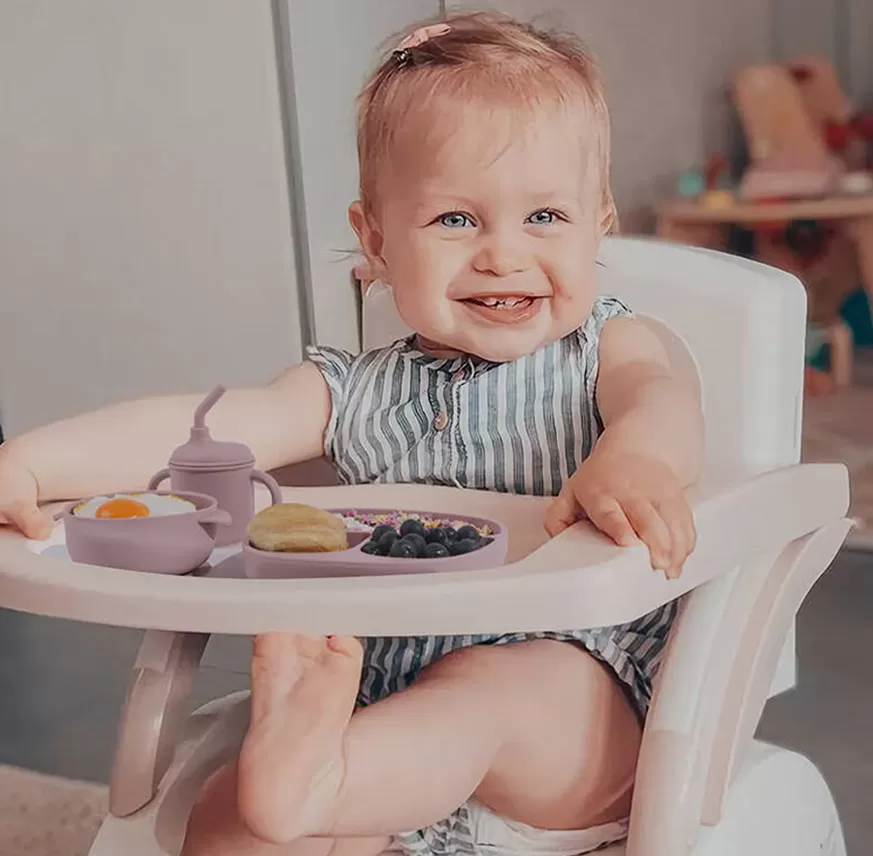
Silicone baby products sell like hot cakes because they are soft, they last long, and are safe for the little ones. These are the features that make silicone a preferable choice over plastic and rubber. However, safety can vary from one manufacturer to another and from one silicone material to the other; that’s why certifications are essential.
Certifications like FDA, LFGB, and EN71 give you confidence that products are tested and are safe for babies. This article explains these certifications, their differences, and how Bangxing Silicone meets these standards to support B2B buyers, brand owners, and retailers.
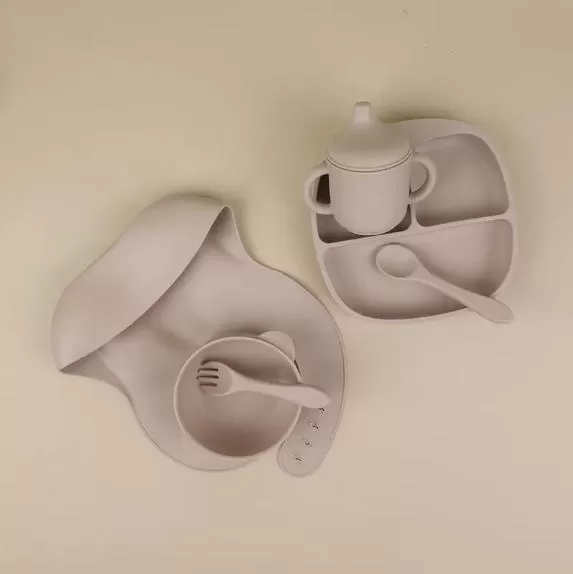
Infants explore the world through their mouths, often chewing, sucking, or biting whatever they hold. Due to this fact, much more safety is required of baby products as opposed to everyday household products.
The reason why certifications are important:
● Use materials that are not toxic.
● Stop chemical leakage.
● Determine the safety of food contact products.
● Minimise the choking, physical, and chemical risks.
In the absence of suitable certification, a product is at risk of being held at customs, denied by the retailers, or even recalled after reaching consumers. This may lead to loss of money and brand trust I long term.
FDA is an abbreviated version of the U.S. Food and Drug Administration. This authority deals with the safety substances that come into contact with food, drinks as well as the human body in the United States.
In silicone baby products, FDA compliance generally refers to the fact that the product is compliant with FDA requirements regarding materials used in food contact.
Silicone verified under FDA must not discharge toxic materials when exposed to heat, saliva, milk, and food.
FDA requirements are concerned mainly with:
● Chemical safety.
● Heavy metal content.
● Toxic substances.
● stability in high temperatures.
The goal is to confirm that when silicone is used in everyday use, it does not break down or leak toxic chemicals that can harm babies’ and toddlers’ health in any way possible.
FDA certification is usually a requirement for:
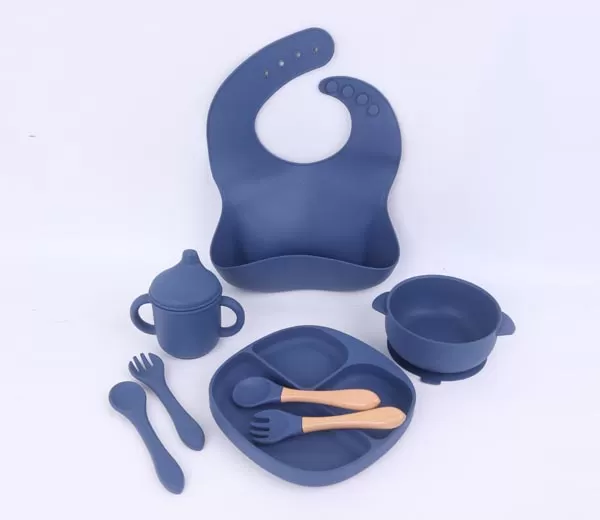
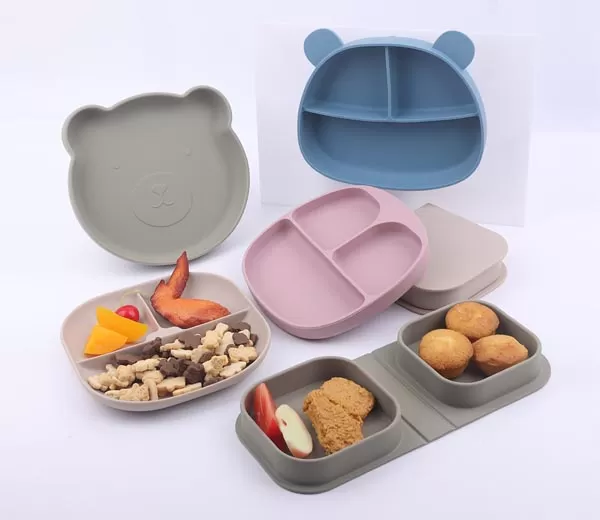
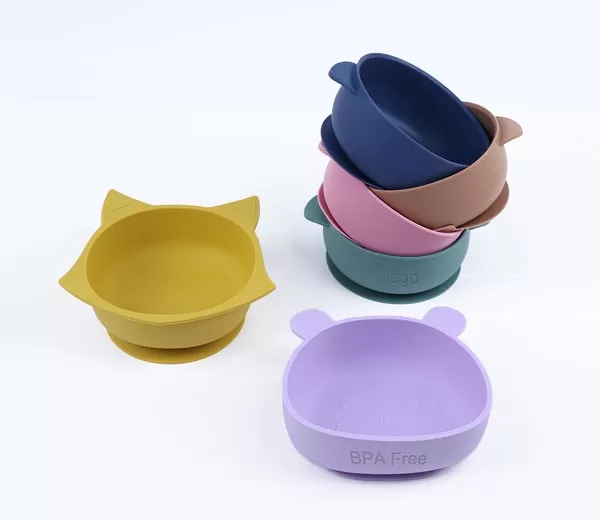
● Silicone baby bowls and plates.
● Spoons and forks
● Pacifiers
● Baby cups and straws
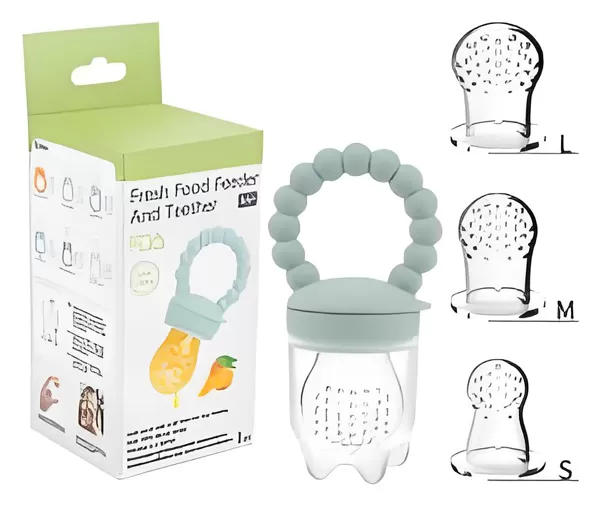
● Teething products.
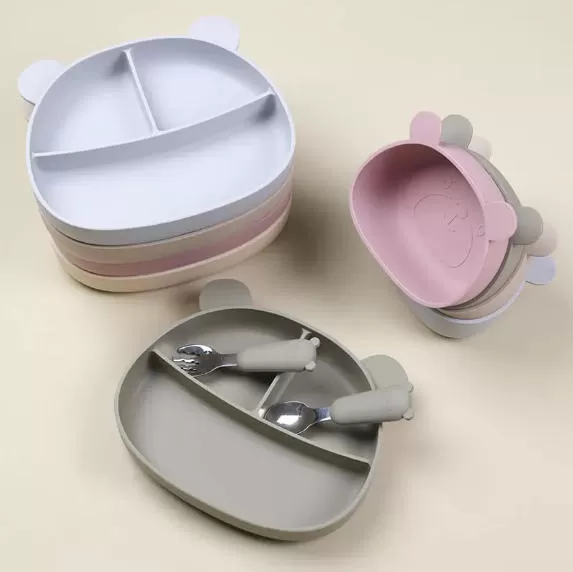
Any product with foods or saliva touching should have a FDA compliant material to sell legally in the U.S.
Silicone baby products have obvious advantages through FDA certification. FDA standards are readily accepted within the territories of U.S., Canada, Middle East, and even in parts of Asia and therefore brands can easily grow into foreign markets if they come up to FDA standards.
This certification is especially handy with those infant products which come in contact with food because it eases the process of approval and promotes more rapid product delivery and expansion.
There are certain limitations of FDA certification though. Its testing is not as strict as LFGB particularly in terms of chemical migration but in some instances it can be self-proclaimed and not proved by some third party. Due to this, most premium brands seek more certifications to attain greater standards of safety and gain more confidence from consumers.
LFGB is a German law, and is abbreviated as Lebensmittel-, Bedarfsgegenstuffs- and Futtermittelgesetzbuch translating to Food, Consumer Goods, and Feed Law. It is considered as one of the most rigid food-contact safety standards in the world.
LFGB is a well-known certification in Europe and is particularly significant in the baby food products in the markets within Europe, which are subject to EU jurisdiction.
LFGB focuses heavily on substance migration, which measures how much material can transfer from a silicone product into food or saliva. This keeps the baby products safe to be used daily and at the same time does not discharge toxic substances during contact with food or the mouth.
LFGB tests involve some rigid tests: migration testing at heating, the testing of food containing fatty substances and acid, odor and tastes tests, chemical makeup tests, and tests of the absence of undesirable residues. These tests have a very low tolerance level and each product should be able to pass these tests, thus LFGB is one of the strictest safety standards of silicone baby products.
The products most frequently tested in the LFGB are usually the following.
● Silicone infant dishes and bowls.
● Baby bottles and nipples
● Baby spoons and tableware
● Teethers
● Silicone baking and food storage products.
In the case of baby products, LFGB provides a superior assurance to FDA.
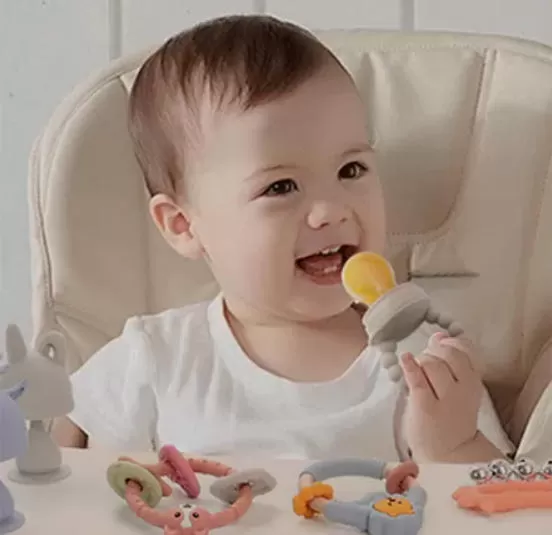
There are valid reasons why highly qulity-conscious brands prefer LFGB standard as a strong additional layer of trust-building:
● Demanded by most of the European retailers.
● Develops consumer faith in the high-end markets.
● Lowers the risks of product returns and complaints.
● Popular with Amazon EU and supermarkets.
LFGB certification is an indication of high grade silicone quality, particularly in baby feeding products.
EN71 is a European safety standard that relates to toys for babies and toddlers. It is applicable to every baby toy that is sold within the European Union. If the silicone baby product is considered a toy, it should be in accordance with EN71.
EN71 is a highly valued standard within European Union and it deals with the toy safety. It has been divided into sub-categories and for the silicone products for babies, EN71-1, EN71-2, and EN71-3 are the most applicable.
EN71-1 guarantees that the item does not pose any physical hazard risk. It helps reduce the danger of choking risk, sharp edges or a breakable piece that will harm children during regular usage.
EN71-2 also determines the flammability of materials which involves checking that silicone materials do not catch fire easily, this is a concern for products used in hot settings.
EN71-3 deals with the movement of a malicious substance, and ensures that no offensive substances in the form of heavy metals and other elements are absorbed into food, saliva or the skin. Adherence to these standards will ensure that silicone baby products are strong, non-poisonous, and safe to use in the day-to-day activities of the infants and toddlers.
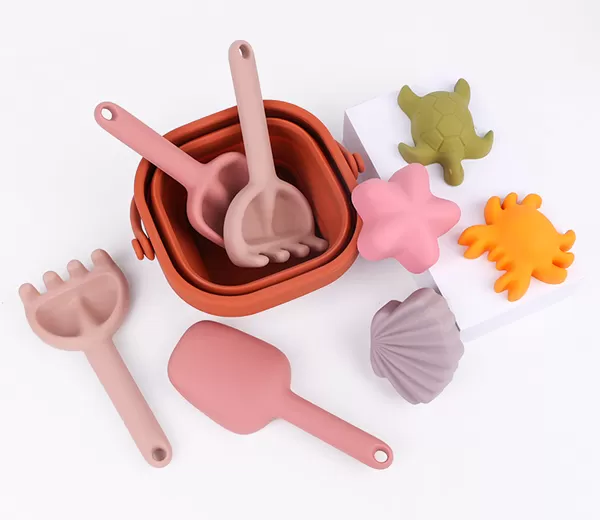
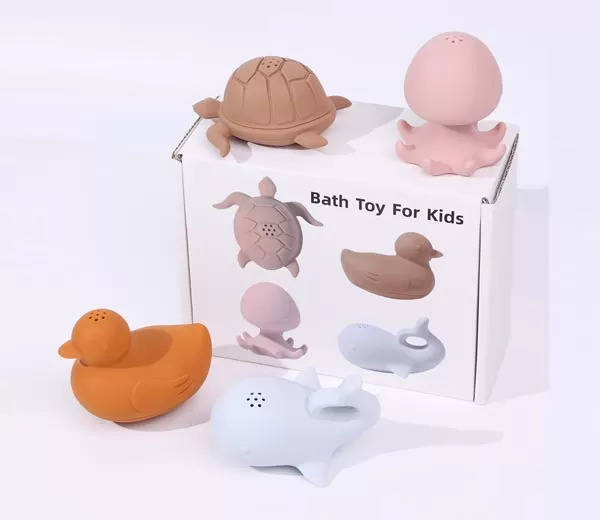
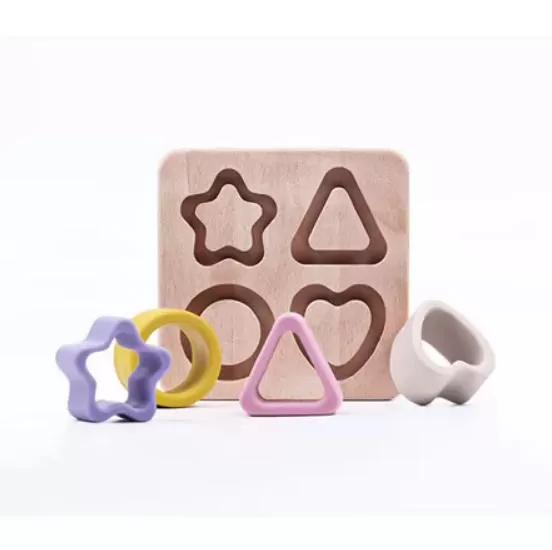
Quite a number of baby silicone items are in both categories, which include feeding and play.
Examples include:
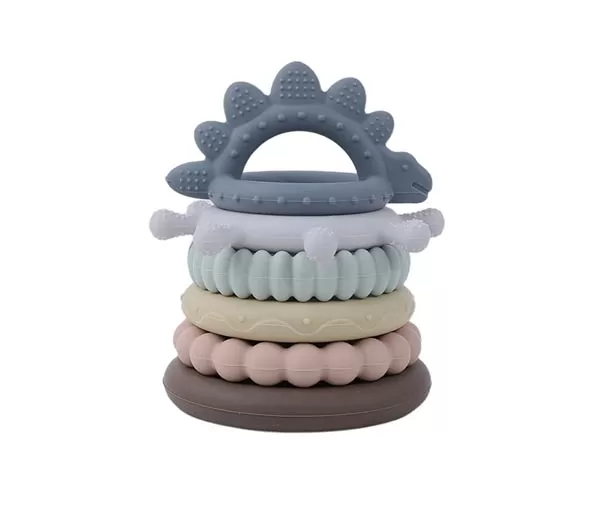
● Silicone teethers.
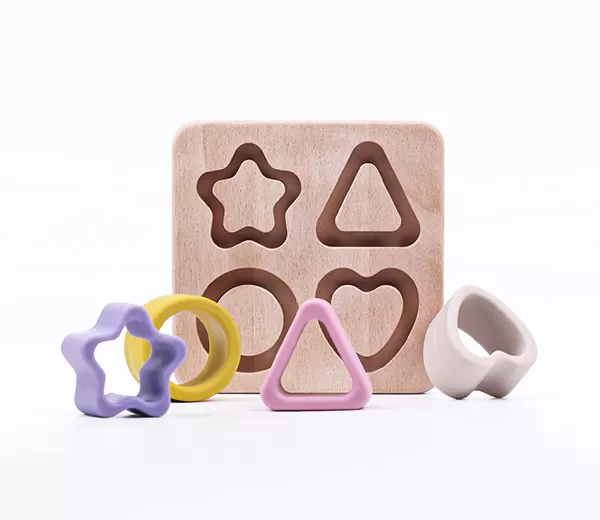
● Sensory toys.
● Stacking toys.
● Chewable learning toys.
Although some products may be made with food-grade silicone, it should still be tested under EN71 as well to make sure that there will be no choking hazards, no sharp edges, and no dangerous chemicals or their migration during usage.
Standard | Main Purpose | Region | Focus |
FDA | Food contact safety | USA | Chemical safety |
LFGB | Food contact safety (strict) | EU | Migration & purity |
EN71 | Toy safety | EU | Physical & chemical |
Understanding which certification applies to your product is critical for legal compliance and successful sales.

We are seeing an increased acceptance and pressing need for these certifications. This is because the regulations for baby products particularly are becoming more strict in the global market. Moreover, parents are more knowledgeable today and they prefer only the safest products for thier babies.
Safety and compliance are now a priority for manufacturers as any unsafe or non-compliant product can soon ruin the reputation of a brand.
Necessary certification indicates that a product is safe as per the accepted standards, and that it is non-toxic, durable, and safe to use in everyday activities.
From business’ point of view, the acquisition of an appropriate certification can bring about enormous benefits. It serves to save time at customs, avoids possible legal fines, and establishes credibility in a brand in the long term.
Certified products bring more confidence to retailers and distributors, and they frequently open up the high-end markets, where quality and safety are important aspects.
These days retailers are demanding fully documented products and making certification the key to creating a successful market entry and sustainable growth.
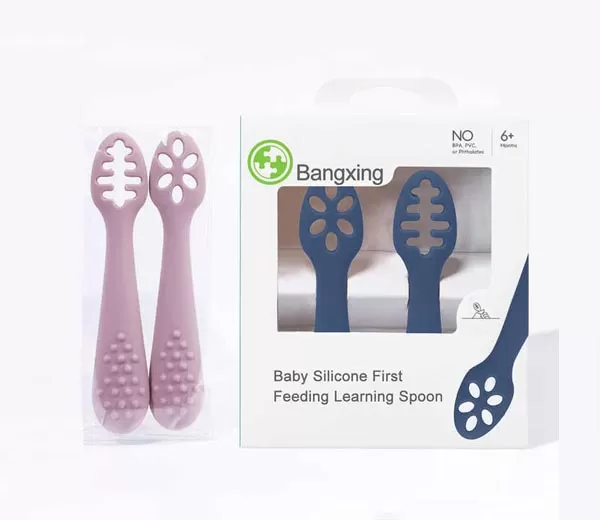
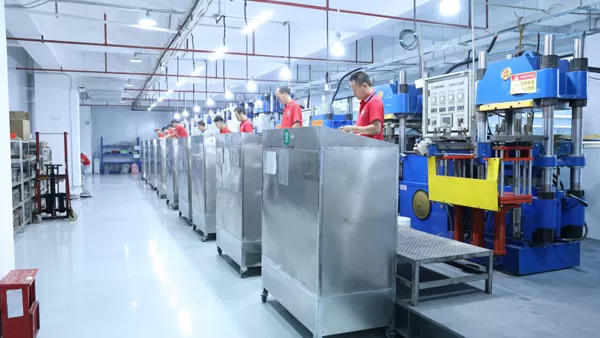
Bangxing Silicone is a specialist in silicone baby product production with great emphasis on safety, quality, and foreign approval.
Bangxing silicone adopts 100 percent food-grade silicone, which meets the FDA and LFGB standards. The raw materials are carefully selected to ensure purity, durability, and safety. This ensures that baby products remain safe even when exposed to:
● High heat
● Repeated sterilization
● Constant chewing and biting
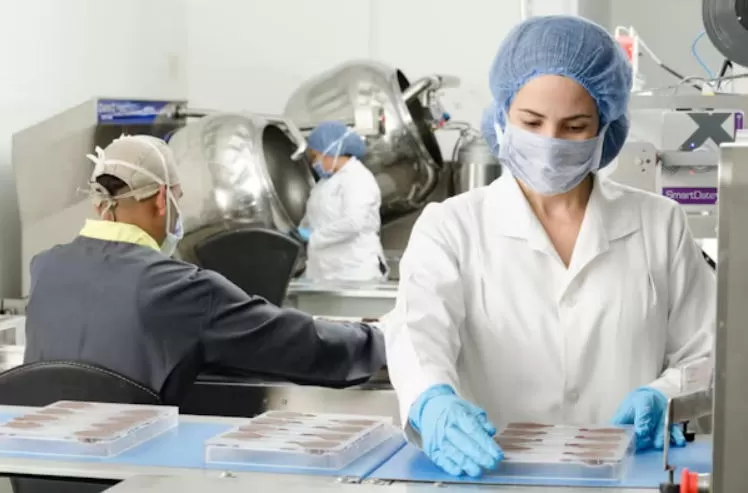
Bangxing Silicone is determined to make sure that their baby products have gone through intense tests to guarantee the highest safety and global standards. Their products are certified to the FDA regulations of food-contact safety, European food-contact compliance LFGB regulations, and EN71 for the safety of baby toys and silicone play products.
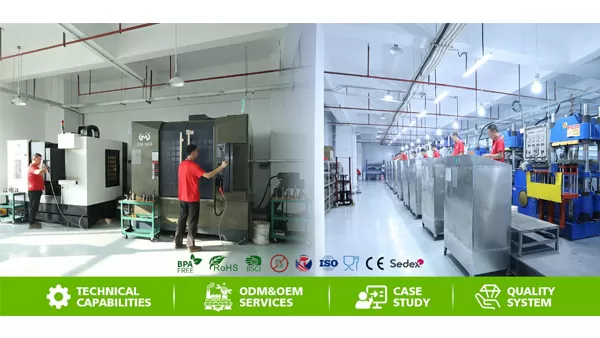
The entire testing is undertaken in accredited third-party laboratories, which further gives the B2B buyers credible, tested reports that affirm that the products are safe, non-toxic, and meet the international safety standards fully.
Silicone products produced by Bangxing Silicone are entirely safe for the babies and they do not contain BPA, PVC, phthalates, latex and heavy metals. Such a prudent approach has ensured that each item adheres to strict safety rules that govern baby products.
The products are of high quality and of non-toxic and appropriately priced, and can be confidently used for the babies in their daily feeding and playing activities.

Bangxing Silicone offers complete OEM and ODM services to brand owners, where individual designs of products are made according to the customers’ unique requirements, and the safety standards are not compromised.
We help with compliance documentation and offer certification support to various markets across the world, ensuring that all the product requirements are met.
The lack of unnecessary expenses and ensuring the strictest possible safety is particularly helpful to startups, Amazon sellers, and retailers interested in conquering new markets. This will enable them to introduce branded silicone baby products without fear or uncertainty.
The collaboration with Bangxing Silicone is favourable to B2B clients, brand owners, and retailers. Our products facilitate entry to the market within the U.S., EU, and other parts of the world. We are minimizing compliance risk and ensuring quicker approval by the retailers and distributors.
Compliance makes it possible for businesses to utilize this safety-oriented positioning within their marketing campaigns and increase the level of confidence in consumers.
1. Are FDA and LFGB the same thing?
No. FDA principally depends on U.S. food-contact safety, and LFGB is a more precise European standard that focuses on chemical migration. LFGB is generally more demanding.
2. Is it possible that a product is FDA-approved, which can fail in an LFGB test?
Yes. Silicone products meeting the FDA criteria might not satisfy the LFGB's more severe migration limits. That is why Bangxing adds an additional layer of safety through compliance with LFGG as well.
3. Should all silicone baby toys be EN71-certified?
EN71 certification is mandatory (even with food-grade silicone) in case a product is regarded as a toy in the EU market.
4. Does the products have to be LFGB certified outside Europe?
It is not mandatory in the non-EU world, though lots of world retailers like it as it symbolizes better safety rules.
5. What is needed by buyers in certification authenticity?
Customers are supposed to demand a certification lab report of the company which has been tested by approved testing labs, not mere marketing slogans
6. Is it possible that a single product is FDA and LFGB and EN71 certified?
Yes. Most of the silicone baby products of high quality qualify on all three standards, depending on the design and use.
7. What is the reason behind the collaboration with certified manufacturers by brand owners?
The certified manufacturers minimize the legal risks, maintain the brand name, and accelerate the process of product ratings in the competitive markets.
8. Does it mean that certified silicone baby products cost more?
They might be a little more expensive because of testing and quality control, but in the long run, they are very cost-saving in terms of minimizing recalls and broadening customer base through trust.
Silicone baby products must be certified, as this is the baseline of protection, trust, and business prosperity. Regulations such as the FDA, LFGB, and EN71 safeguard babies against toxic elements and assist their parents, retailers, and marketplaces in making good selections.
For brand owners, certified products are positioned as premium, safe, and globally acceptable, easing market entry and compliance. Retailers and distributors gain benefits by lower risks and increased customer trust, whereas B2B buyers and importers save time and prevent mistakes in sourcing, which costs a lot.
With a complete adherence to these requirements and adequate documentation, Bangxing Silicone is among the best silicone baby products manufacturer that guarantees safety, allows OEM/ODM customization, and enables businesses to expand safely abroad.
References
https://en.wikipedia.org/wiki/EN_71
https://www.tuv.com/world/en/lfgb-food-contact-grade-testing.html
https://www.bxsilicone.com/whats-new/
 Shenzhen Bangxing Silicone Technology Co,.Ltd