Address:
301,C2 Building, Xiakeng Second Industrial Area, Tongde Community, Longgang, Shenzhen, Guangdong, China.
Jun 26 2026
Learn More
 Shenzhen Bangxing Silicone Technology Co,.Ltd
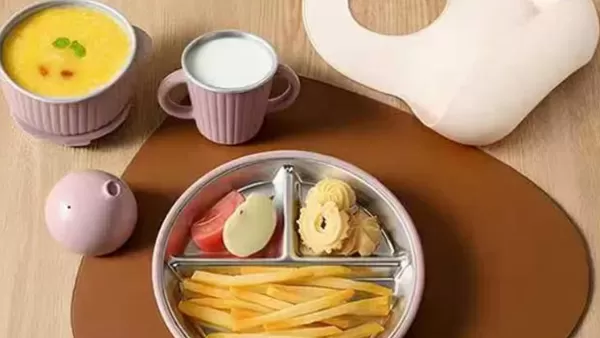
The baby products market is constantly changing. There is great concern among parents regarding the safety, hygiene, sustainability, and functionality. When it comes to retailers, brand owners, as well as B2B purchasers, choosing the appropriate material for baby products is more than just about cost-efficiency; it has to do with quality, safety, compliance, and brand image.
The following are the three most commonly used materials for baby products:
● Food Grade Silicone
● Thermoplastic Elastomer (TPE)
● Natural Rubber
We will compare these materials in this article based on critical parameters, such as safety, compliance, performance, environmental impact, and cost-efficiency, so that we can assist you in answering the question: Which material should retailers prefer in 2026?
Moreover, this guide will talk about Bangxing Silicone as a reliable partner for manufacturing certified food grade silicone baby products.
Food Grade Silicone is a material that is safe, non-toxic, and compliant with the international standards of food contact. It is suitable for use in food accessories, baby pacifiers, bottles, teethers, utensils and feeding accessories.
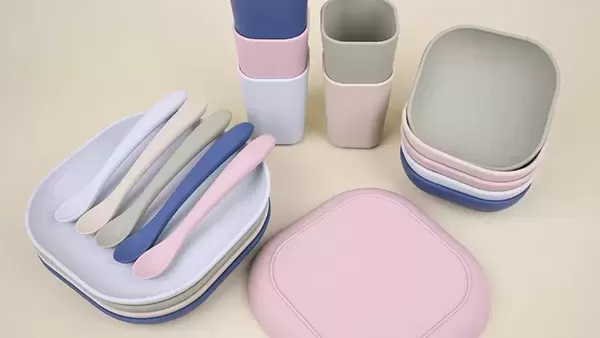
The main characteristics of food grade silicone:
● Thermal stability and heat resistance.
● Excellent flexibility and softness.
● odorless and hypoallergenic.
● Non-toxic, phthalate and BPA free, PVC and heavy metals free.
● Hygienic because the surface is non-porous.
Silicone has wide use in baby feeding and teething products and is currently one of the most popular materials to work with in the retail market.
TPE is a type of material that is flexible like rubber and easy to process like plastics. TPE is frequently applied to such components as soft edges, flexible grips, or accessory parts that do not have to be in direct contact with food.
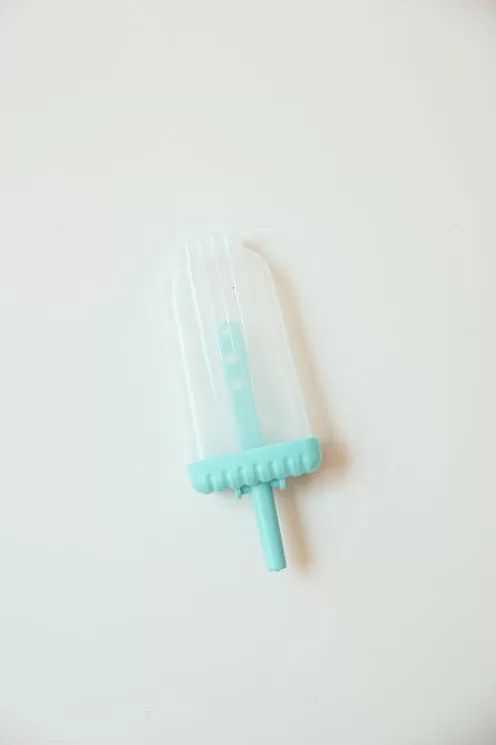
Features of TPE include:
● Cost-effective formulation
● Ease of manufacturing
● Good flexibility
● Varying grade
TPE is a broad term and not a specific material, its use in baby products strongly relies on grade, formulation and certification.
Latex that is harvested from rubber trees is used to produce natural rubber. It is has been used in nipples and teething toys historically.
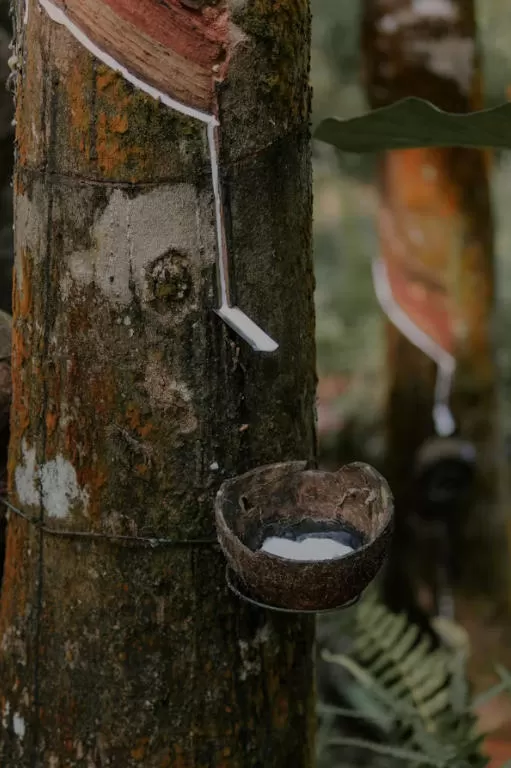
Natural rubber features:
● Excellent pliability and flexibility.
● Biodegradation in given circumstances.
● Natural origins.
Its latex proteins can result in allergic reactions in certain infants and its long-term durability, and sterilization rate may not be as good as other materials.
Food grade silicone is very appealing for infant products due to following characteristics:
● Adheres to international food-contact safety requirements.
● Can perform consistently at very high and very low temperatures.
● BPA/ Phthalate/PVC-free and non-toxic.
However, the retailers must authenticate the FDA, LFGB, EN-14372, CPC, CE, RoHS, and similar appropriate certifications from suppliers.
TPE can offer good safety, but:
● Not every grade of TPE can be used in food contact.
● Lower-quality TPE additives are dangerous.
● It’s important that the buyers are demanding specific food-grade certification.
In baby products that are in direct contact with the mouth, TPE may be more dangerous in the absence of strict verification.
Here, natural rubber may be safe, but:
● In some cases it can cause latex allergies.
● Performance can be influenced by quality and processing.
● Not everyone can ideally use it without labelling it.
Retailers should have vigorous testing for allergic issues if they are using natural rubber products.
Hygiene is a critical concern, particularly for items like pacifiers and bottle nipples.
Food grade silicone has an edge over other materials when it comes to hygiene. This is because:
● Bacteria are resistant to non-porous surface.
● Can be sterilized at high temperature (boiling, steaming, microwaving)
● Hassle free to wash.
Some TPE grades can be cleaned easily, but:
● Heat resistance varies by formulation; some degrade under high sterilization temperatures.
● Surface may be slightly more porous than silicone, requiring careful design and thorough cleaning.
● Requires gentler cleaning.
● Wear and cracks can be increased by heat and aggressive sterilization.
Overall, silicone’s superior cleanability makes it the preferred material for hygiene-critical baby products.
● Retains form and springiness with usage.
● Strong and long tearing power.
● Works well at both high and low temperatures.
Such durability results in minimal waste of goods, and a high level of parent satisfaction.
● Flexibility is good, but it can also wear out more quickly.
● Tackiness and softness may get progressively heavier.
● Durability depends on formulation.
When quality is assured, then TPE can be acceptable, especially for accessories and non-critical parts.
● Very high value elasticity.
● Decays due to moisture, heat, and UV at a more rapid rate than silicone.
● The risk of allergy is still a concern.
As a retailer, it is better to restrict rubber to the goods whose life cycle is shorter and are not meant for long term use.
Material comfort affects usability:
● Silicone: soft, gentle on gums, consistent feel
● TPE: flexible, but feel varies individually
● Natural Rubber: soft but allergy risk can compromise experience
For baby products related to feeding and soothing, silicone’s balanced tactile properties often outperform alternatives.
Silicone is highly adaptable for:
● Complex shapes
● Mushy but firm bodies.
● Multi-texture parts
● Custom colors and designs
In case of OEM/ODM baby product lines whose brands or design features require modification, silicone is flexible without compromising safety parameters.
● Effective injection moulding.
● It may be mixed with other plastics.
● Suitable for larger volume parts
However, stricter design requirements should be used in the case of safety-critical parts.
● Low accuracy relative to silicone.
● Superb elasticity and less design savvy.
The issue of cost is important, but it is not the only measure, and should be considered in combination with other factors like longevity and safety.
Material | Unit Cost | Longevity | Safety Certainty | Consumer Perception |
Food Grade Silicone | Higher | Excellent | High | Premium |
TPE | Lower | Moderate | Moderate | Mid-Range |
Natural Rubber | Lower | Moderate | Lower (Allergy) | Mixed |
Although silicone may be more expensive, its durability, safety record and consumer trust often justify premium price points.
Today, the purchasing behavior of the consumers relies heavily on environmental responsibility. Here is a comparison based on this criteria:
● Silicone: Sustainable and reduces single-use plastics
● TPE: some grades can be recycled based on formulation.
● Natural Rubber: Becomes biodegradable in defined circumstances but not in all cases.
The retailers who want to do a sustainable business need to consider the product lifecycle and environmental effects when they select the materials.
On the parents’ end the baby products should offer the following bnefits:
● Safety
● Easy to clean and sterilize
● Durable for reuse and sibling passage.
● Both toxins and phthalates are being eliminated.
● Eco friendly design and material.
Retailers who react to these expectations by complying with high material standards (primarily, food grade silicone) are set to develop and earn confidence.
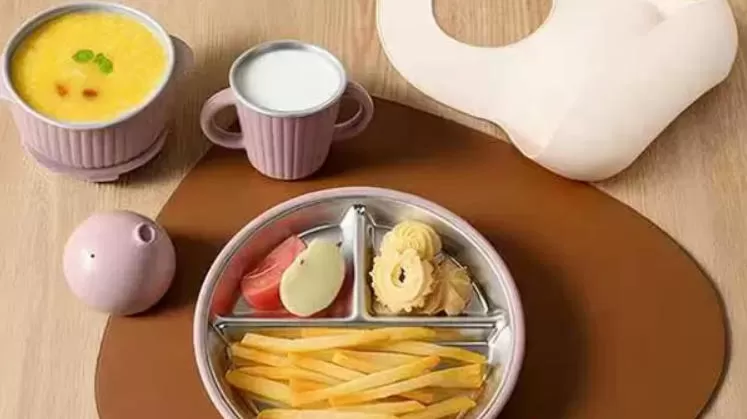
Bangxing Silicone is the company that deals with 100 percent food grade silicone baby products with decades of experience in the industry. Let’s have a look at their production capabilities and what makes them a reliable silicone baby products supplier.
Shenzhen Bangxing Silicone Technology Co., Ltd. Is a silicone producer with:
● A specialized factory and trade integration model.
● More than 15 years of experience in silicone products development.
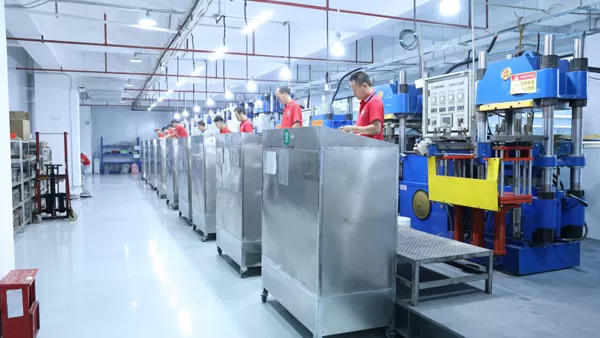
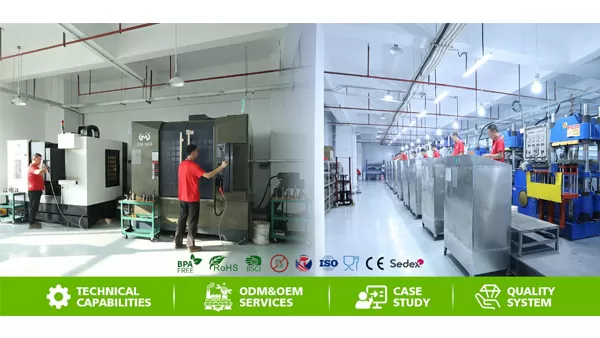
● An entire in-house design, mould and manufacturing capacity.
● Over 80 product designs to serve worldwide customers.
● A real focus on infant feeding, toys, accessories, and lifestyle silicone.
They have a vision to be the most reliable producer of infant and mom products in the whole world and provide tailored options to B2B clients.
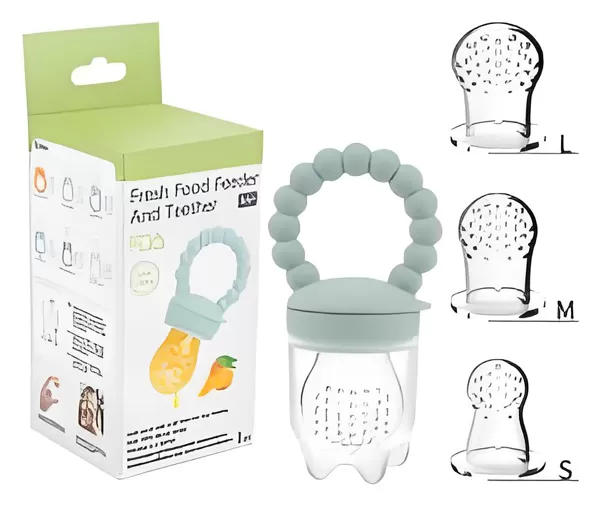
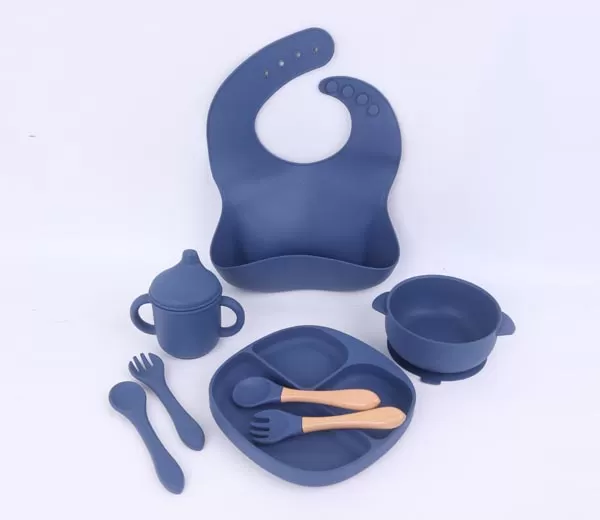
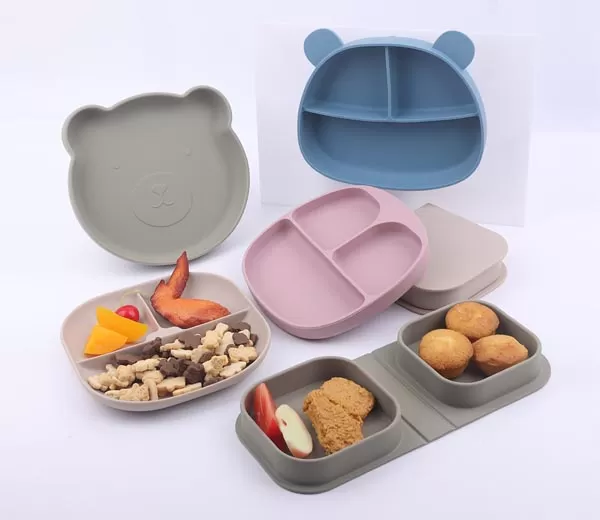
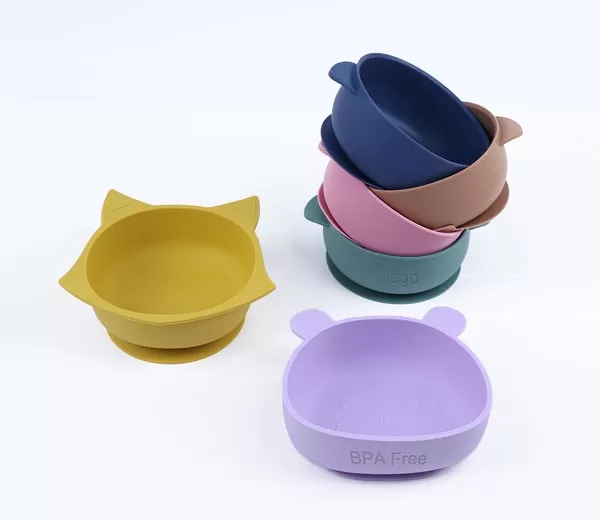
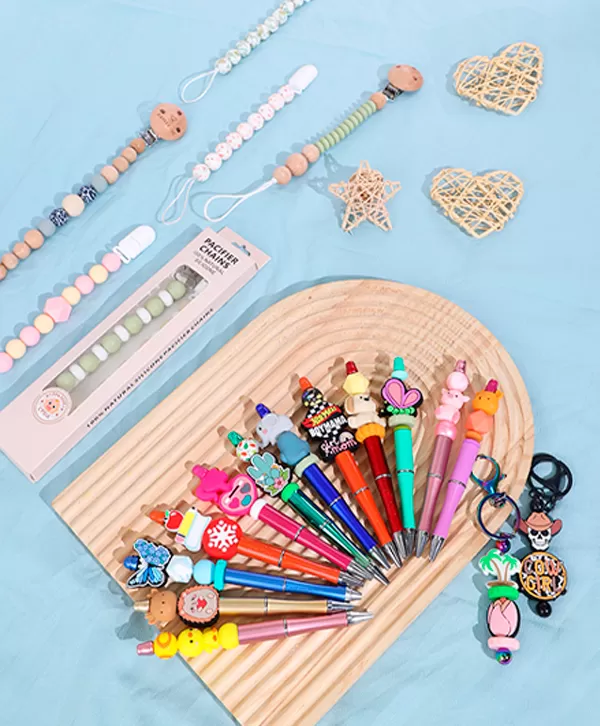
Bangxing produces a comprehensive variety of baby products. For example,
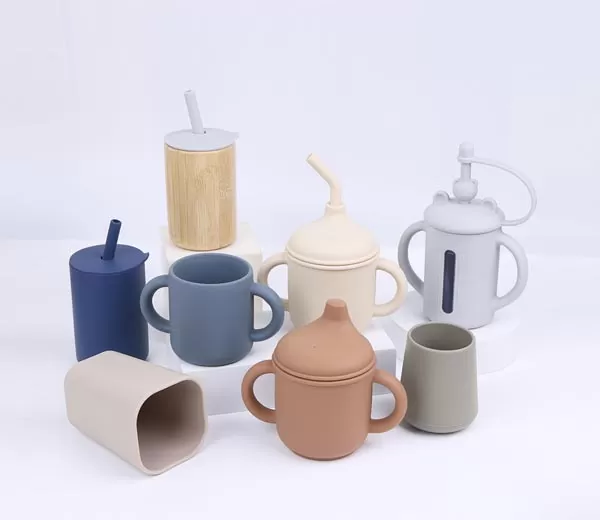
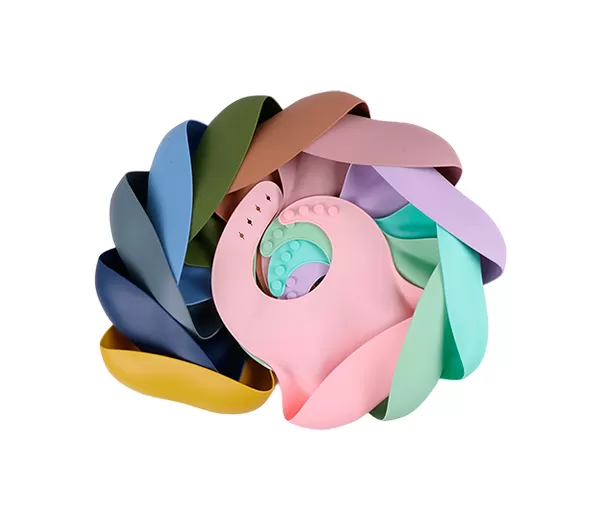
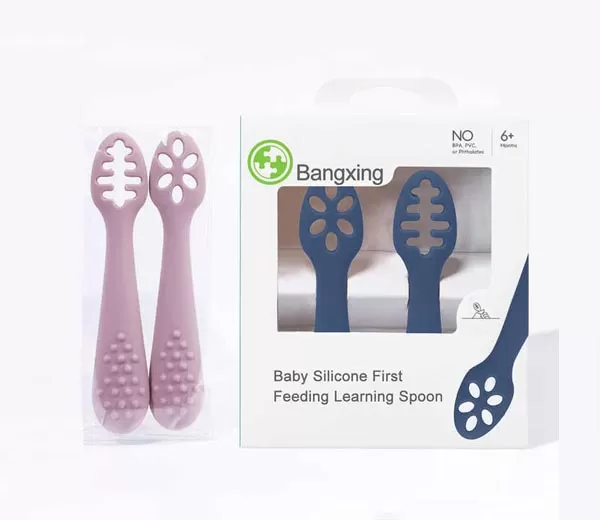
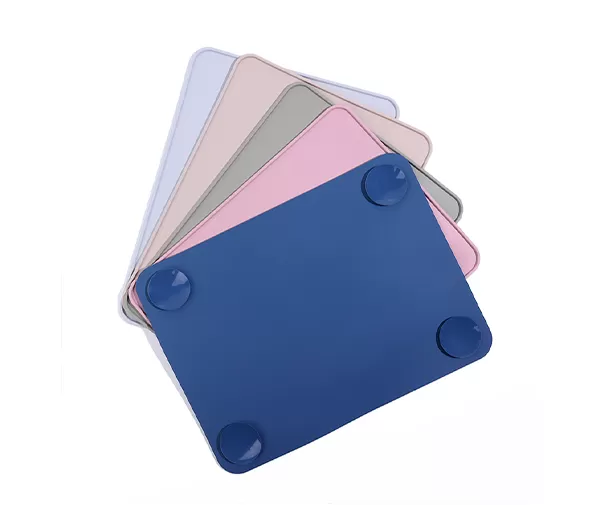
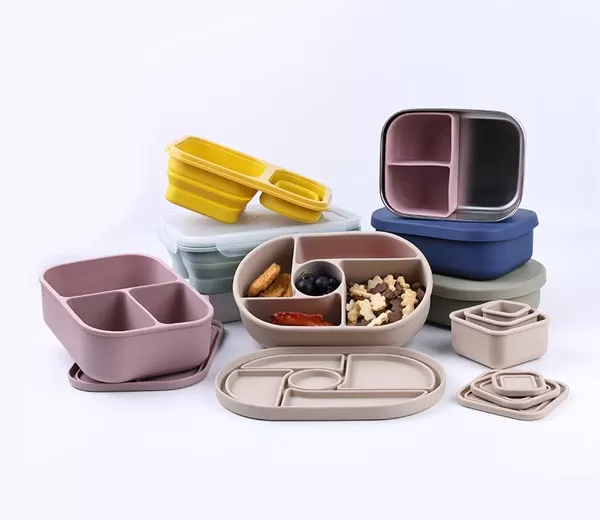
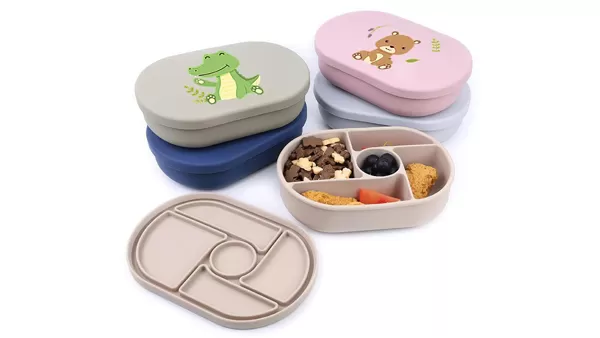
● Dining tables, dishes, cups, utensils, suction plates.
● Pacifiers and fruit feeders for the babies.
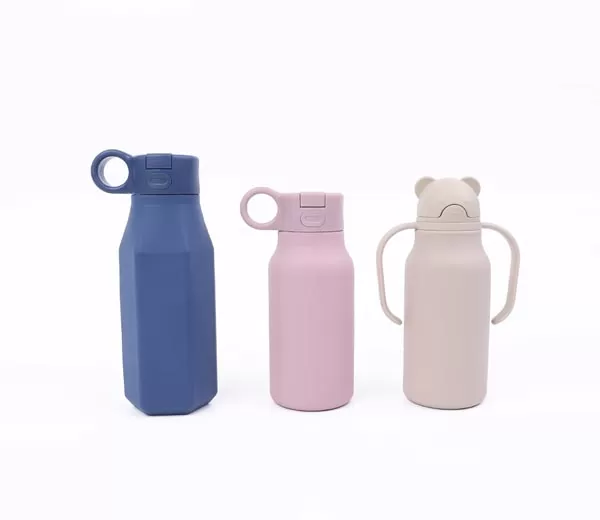
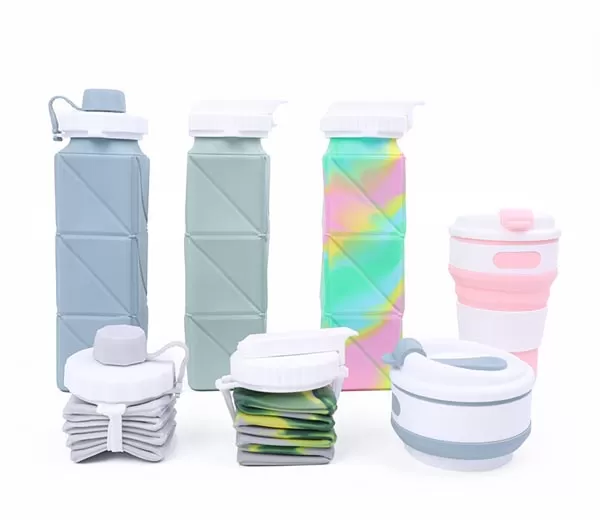
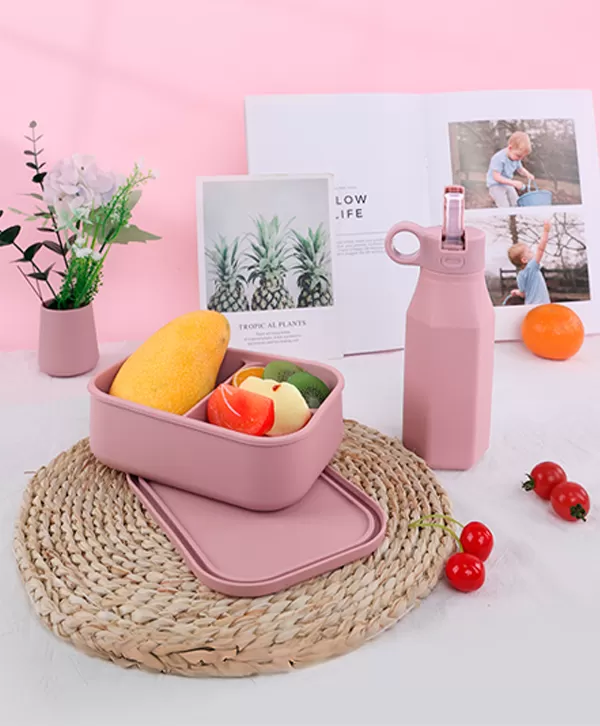
● silicone water bottles and lunch boxes.
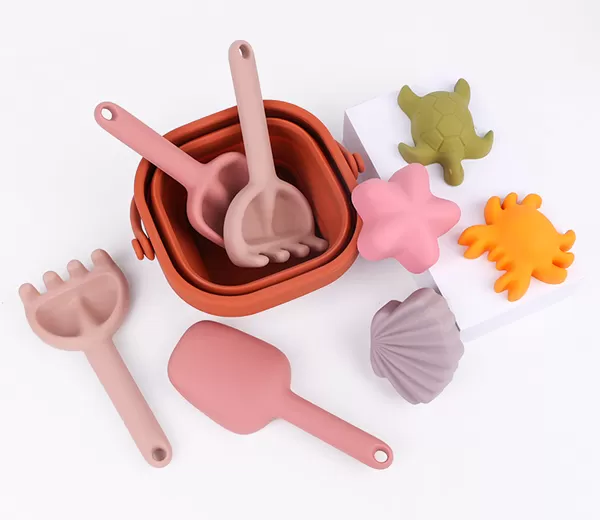
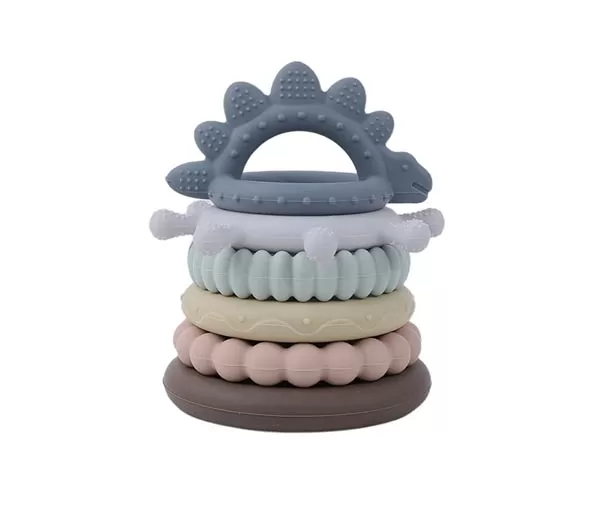
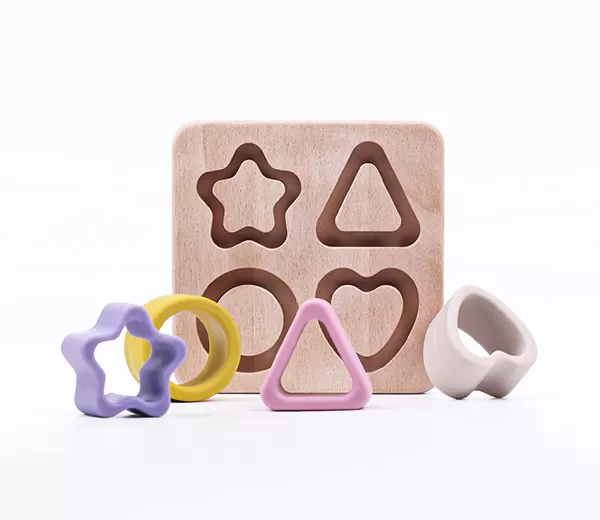
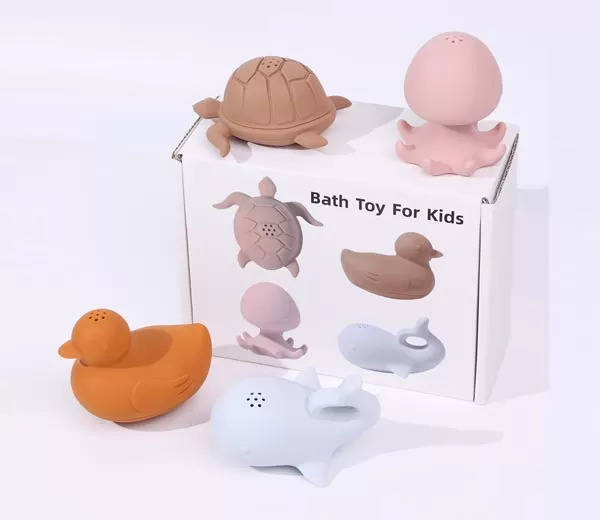
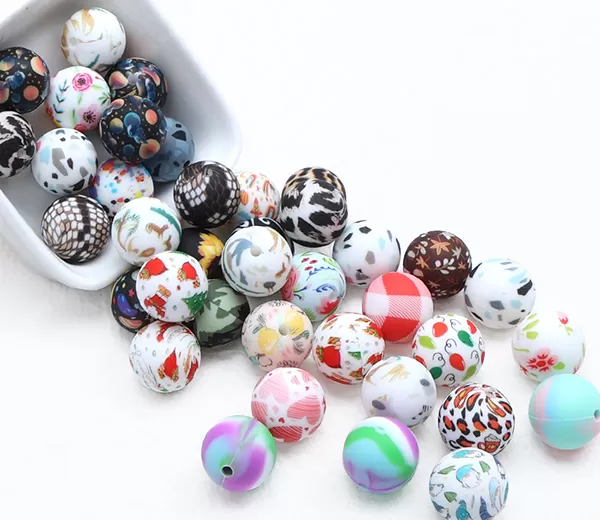
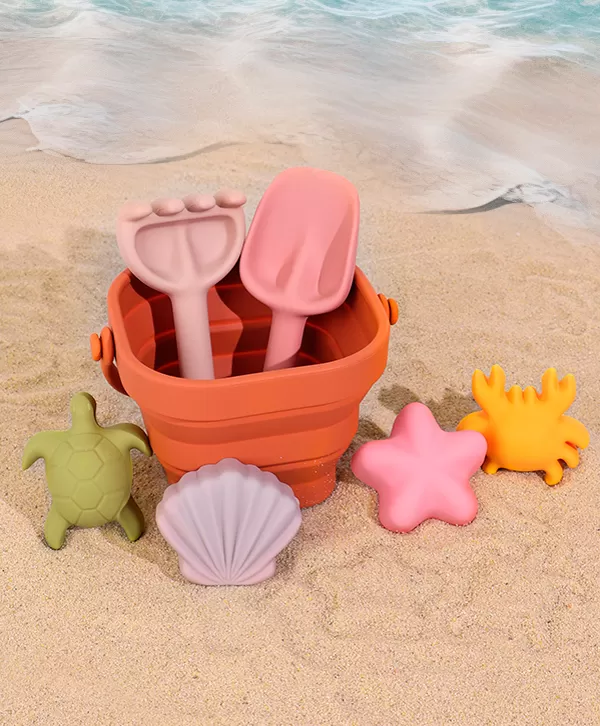
● Silicone toys and aids to teething.
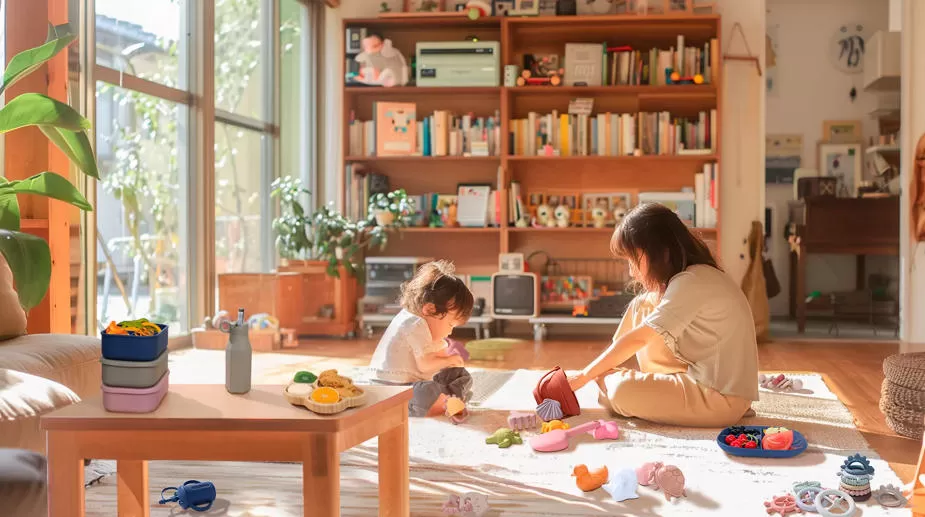
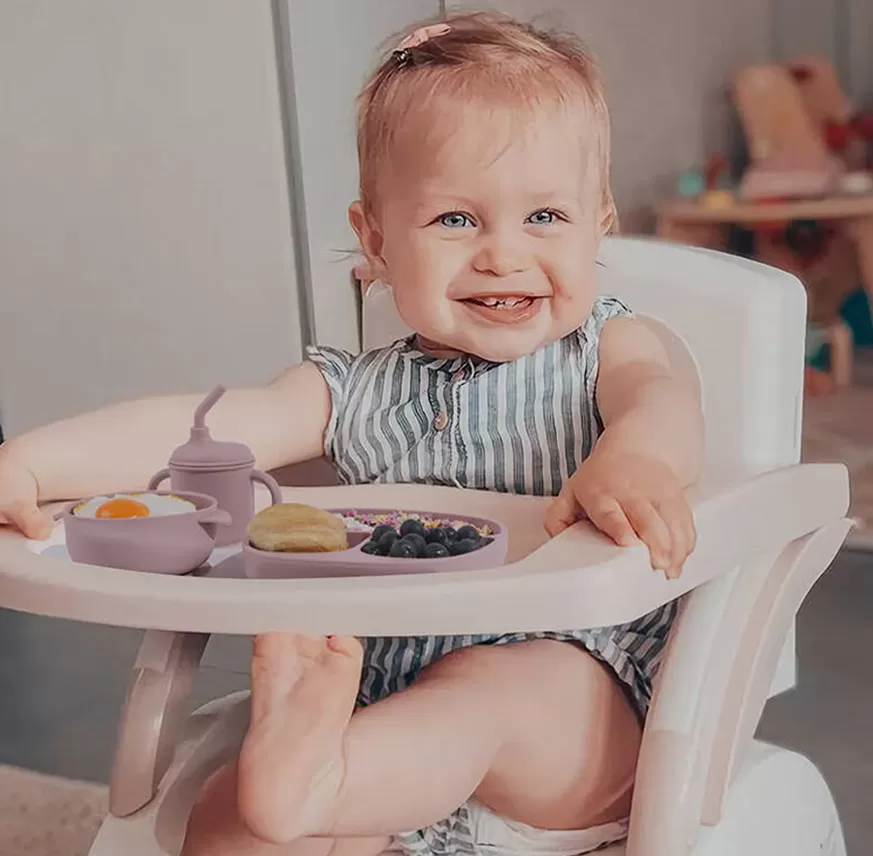
All of the products are produced using 100 percent food grade silicone, which makes them:
● BPA-free, non-toxic, and safe for the baby gums.
● Certified in compliance with FDA, LFGB, CE, CPC, RoHS and others.
● Microwave safe, dishwasher safe, fridge safe, and high temperature sterilizer safe.
● ergonomic and friendly to parents.
One of Bangxing’s strongest differentiators is its commitment to OEM/ODM services. Here’s what we offer for the retailers:
● Custom logo and branding
● Customized color and packaging choices.
● Consultancy in designing products and innovation.
● Low minimum order quantities
● Fast sample delivery and design support.
This makes Bangxing a superb partner to retailers who would like to launch or expand distinctive lines of baby products without concerns about quality.
They have strict product certification that allows retailers to meet regulatory requirements in leading markets such as the U.S. and the EU.
Retailers can use the Bangxing silicone ecosystem to create complete collections of infant items, starting with feeding devices to learning toys.
They help in comprehensive customization, packaging and designing and help the retailers to diversify their product range.
Bangxing with a large production plant and warehouse base guarantees constant supply, product quality, and timely delivery. These are crucial to the retailer who has to deal with a seasonal demand surge or short-span delivery schedules.
To further read and see more product galleries, check the site.
After comparing materials, food-grade silicone turns out to be the most suitable material for all baby products in the areas of safety, hygiene, durability, compliance, and premium positioning.
TPE may be acceptable to non-critical parts or products, which do not come in direct contact to the mouth and are only used when they are food-contact certified.
Natural Rubber is naturally elastic but comes with the risk of allergy and durability factor which make it less universal.
In 2026, retailers with adequate knowledge should give food grade silicone a preference for baby products where the aspects of safety, longevity, and brand image are more important.
By collaborating with a reputable supplier such as Bangxing Silicone, the risk can be reduced significantly, and the retailers will be able to expand portfolio of their products.
Why is food grade silicone better than TPE in baby products?
Food grade silicone is non-toxic, thermally stable, non-porous and certified to handle food contact. Hence it is safer in high-risk baby applications.
Is it possible to use TPE for feeding products of the babies?
It can be used only when the particular TPE grade has been certified to be food-contact grade. It can be used for the parts that are in indirect contact.
Is natural rubber food safe?
No natural rubber might result in latex allergy among sensitive babies and therefore, disclosure and testing are crucial.
What is the procedure for verifying material certification from suppliers?
Request FDA, COA, LFGB, and CE certifications among other test reports directly from the supplier before ordering.
Why is silicone easy to clean?
Silicone is non-porous and therefore does not allow bacterial adhesion and is also resistant to high-temperature sterilization.
Does silicone last well compared to natural rubber?
Yes, silicone tends to maintain its structure in repetitive use and sterilization unlike rubber.
Is Bangxing able to prepare products under my brand?
Yes, Bangxing can provide OEM/ODM logo, colour, and packaging customization.
Which baby products should benefit most from silicone?
Pacifiers, teethers, feeding utensils, suction plates, cups, and other mouth and food contacting products.
Which positioning of silicone baby products should retailers use?
Safe, certified, easy-to-clean, and durable solutions that are premium and ergonomically designed.
References
https://silicone.co.uk/news/what-is-fda-food-grade-silicone-made-up-of/
https://en.wikipedia.org/wiki/Thermoplastic_elastomer
https://en.wikipedia.org/wiki/Latex
https://www.bxsilicone.com/products/baby-pacifier/
 Shenzhen Bangxing Silicone Technology Co,.Ltd