
Address:
301,C2 Building, Xiakeng Second Industrial Area, Tongde Community, Longgang, Shenzhen, Guangdong, China.
Jun 26 2026
Learn More
 Shenzhen Bangxing Silicone Technology Co,.Ltd
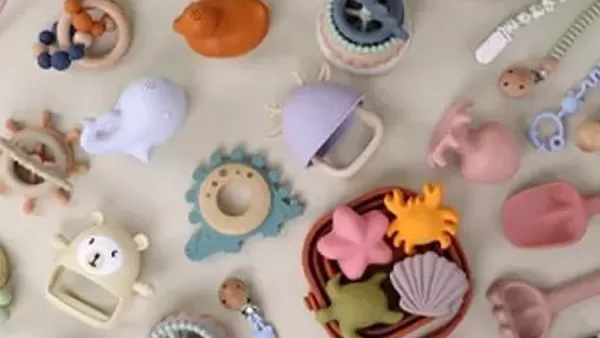
From water bottles to baking trays, ice molds, cosmetics, and baby products, the omnipresence of silicone is baffling. You simply can’t unsee it. It has quickly turned out to be the most popular alternative to traditional plastic. However, as the environmental safety concerns call for strong scientific backing, a question has arisen among the users, ‘Does silicone have microplastics?’
This is indeed a genuine concern. After all, we, the humans, have perhaps not known anything more degrading to the environment and our health itself than these tiny microplastics. Yet, they literally live in everything. They are even in your toothpaste, which seems so harmless. Microplastics even lurk in the air you breathe. So, does the silicone also have them?
Although by its chemical composition, we know that silicone is different from plastics. Also, it does not affect the ecosystem in the same manner as plastics do. However, the answer is far from a simple yes or no.
In this guide, we will find out is there a difference between plastic and silicone, and does silicon harm the environment in the same way? This will also help you make safer purchases.
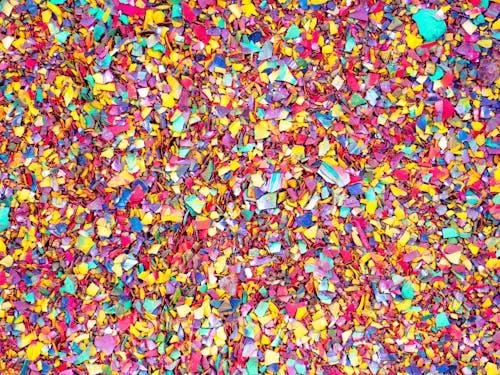
We’ll start by looking into the reality of microplastics and why we don’t really like them. These are very tiny plastic pieces. Their size is even smaller than 5mm. These tiny elements are shed off by plastic items when they break down due to heat, UV exposure, or environmental factors.
Some of the biggest sources from where microplastics enter our environment are plastic bottles, tire residue, and packaging waste.
They are very stubborn and live in our ecosystem for many years. They disturb everything from wildlife to oceans, and our health. Scientists found them in seafood, soil, air, and even our blood and they cause many serious health problems, including cancer.
This is why we are looking for alternatives to petroleum based plastics.
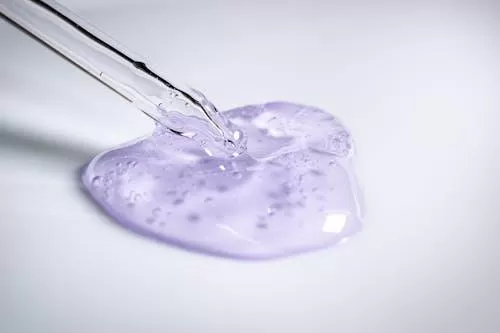
The reason why most people ask Does silicone have microplastics’ is because it looks a lot like traditional plastic. However, it has very different composition.
Silicone elastomer, which is used in day-to-day items, is a combination of silicone, oxygen, carbon, and hydrogen. The primary component here is silicone, which we obtain from the natural silica in sand and quartz.
It is different from plastics, as these are obtained from petroleum fossil fuels. The silicone-oxygen structure of silicone makes it heat resistant, flexible, and durable. It is this composition that makes silicone chemically way more stable than plastic.
Since silicone is not a plastic, it does not give off microplastics upon breaking down, as is done by the traditional plastics. But it does give off tiny particles called silicone microparticles on degrading after a very long time. These are different from microplastics.
Some of the plastics that we come into contact daily, like polypropylene, release microplastics that live in our ecosystem for very long time. Silicone, on the other hand does not break down in brittle pieces to give microparticles. It is more stable and can resist UV degradation as well.
It is this stability over time that makes silicone safer than plastics. However, low quality silicone with fillers can still break down pretty quickly and release microparticles.
Yes it can, but it literally takes decades. Silicone degrades very slowly. They may release micro silicone particles. But are these equally harmful as microplastics?
Scientists are still doing research. At the moment, they believe that silicone micro particles are less harmful than microplastics.
Yes, for most applications, silicone is a safer alternative to plastics. Here are the traits which make it a better pick:
It remains stable and doesn’t leach harmful chemicals even at extreme temperatures. This makes it safe for ovens, especially the high-quality, food-grade silicone.
Good quality silicone products are free from PVC, BPA, and phthalates. They don’t have latex, and hence do not cause latex allergy. This makes them a good choice for products where safety is of high priority, like baby products, medical items, baking and cooking utensils, etc.
Silicone lasts way too longer than most traditional plastics and this means lower wastage. By using silicone products that last for generations, you are reducing litter on Earth.
Silicone is chemically very stable. It can bear extreme temperatures. When you put it in microwave or heat it, it does not release chemicals. So, it is a better, and safer option than plastics for food-related applications. It is also a better choice for baby products like bottles, teethers, and pacifiers that parents sterilize daily.
Not quite.
You need to be sure about the quality even when buying silicone products. There are cheaper options as well and they mostly have fillers that might not be as safe as food-grade silicone.
When made with low quality silicone, the consumer silicone products will show some signs like discoloring or developing a slimy texture over time. If the item has a strong odor, it’s not made with high quality silicone and some lower-quality options with fillers also crack a bit too easily. Those made with food-safe silicone are highly durable and do not lose their shape easily. They can bear heat and do not have any odor.
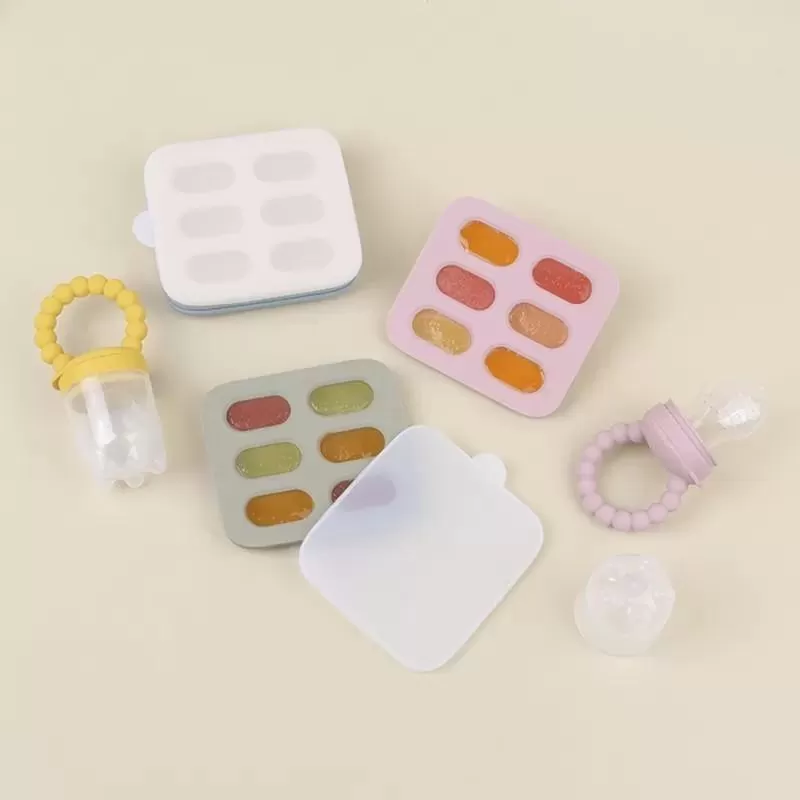
High-quality, certified products do not shed microparticles even at very high temperatures. However, if you are using a very worn out, or low-quality product, there are risks of leaching or tearing. Keep in mind that not all silicones are food-grade silicones.
Moreover, never rely on counterfeit silicone kitchenware. Go for certified manufacturers only, whose products undergo vigorous testing and you are all good to use silicone cookware without any safety concerns.
Silicone is more eco-friendly than plastic, but it isn’t as simple as we might think. There are details that you should know. Let’s have a detailed head-to-head comparison.
This is an area where silicone is a clear winner. On your next visit to market, if you give priority to plastic items just because they are cheap, know that in the long run, silicone is more cost effective. It is durable and reusable. This means, by preferring silicone, you are not just sparing the planet of more microplastics, but also littering it a lot less.
While plastic recycling facilities have developed a lot over time, there are not as many recycling plants for silicone. It’s not easy to recycle it. but because silicone has long life, it still doesn’t create so much waste, compared to disposable plastic.
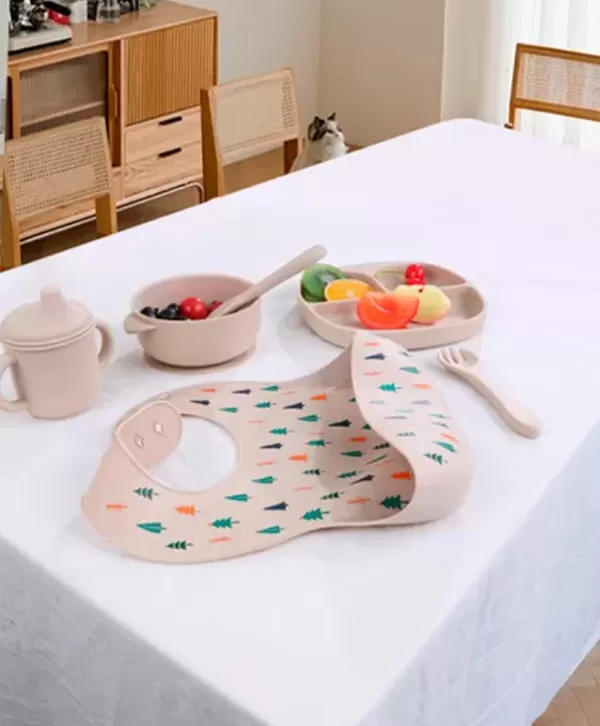
The baby products fall under a category where safety standards need to be met strictly. Especially the items like silicone feeding utensils, teether, pacifiers, and bottles must be free of any harmful materials, including microplastics. This is one of the major concerns of the parents, and rightly so.
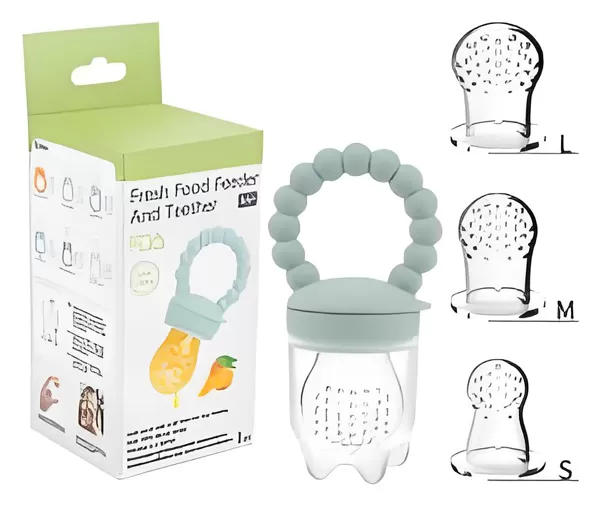
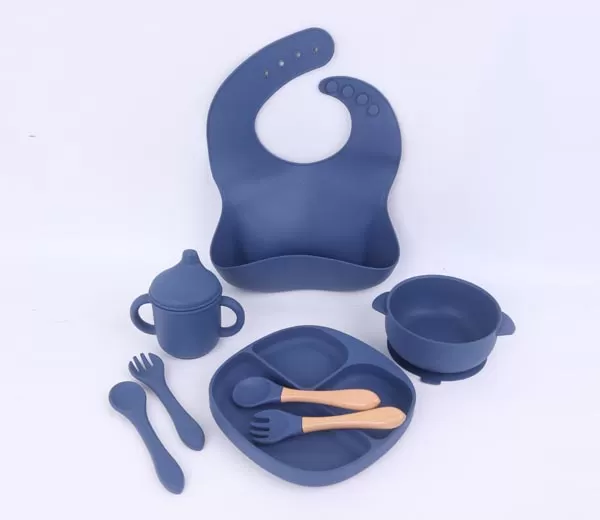
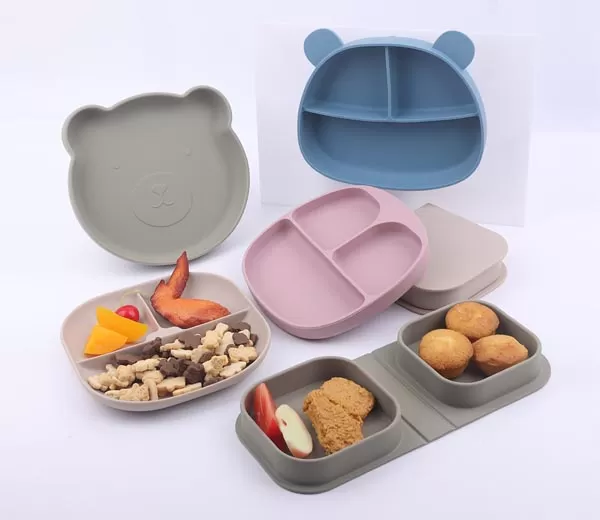
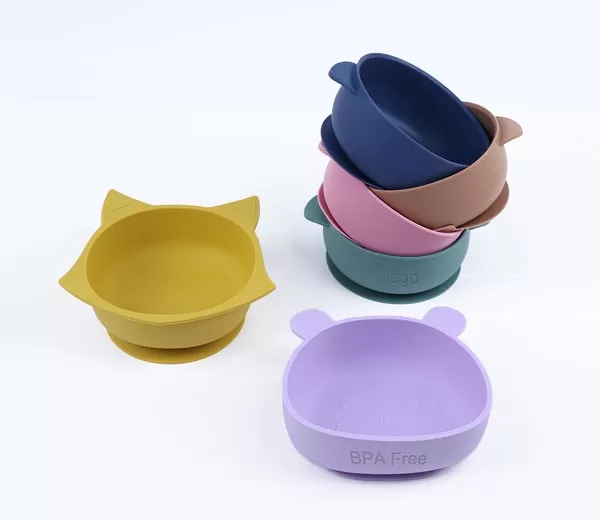
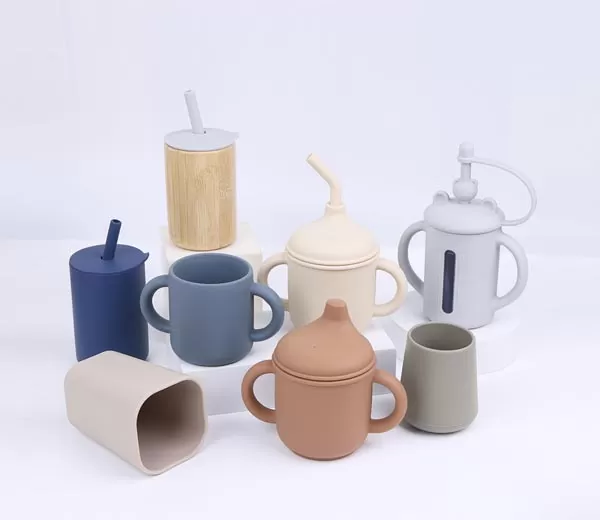
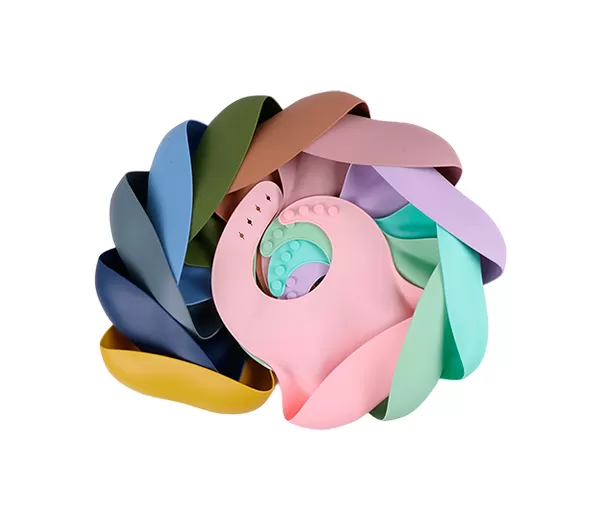
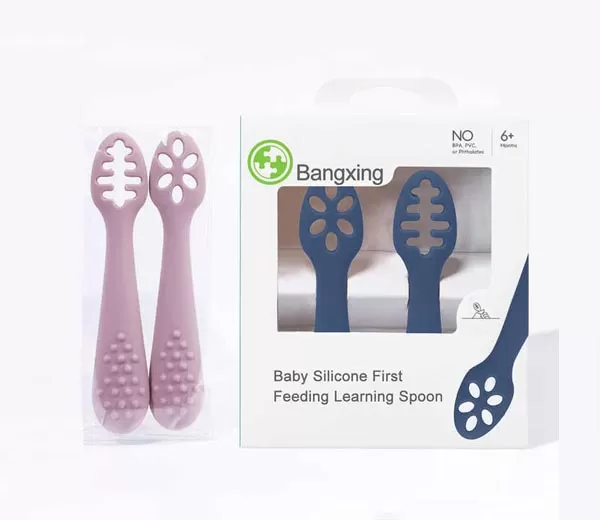
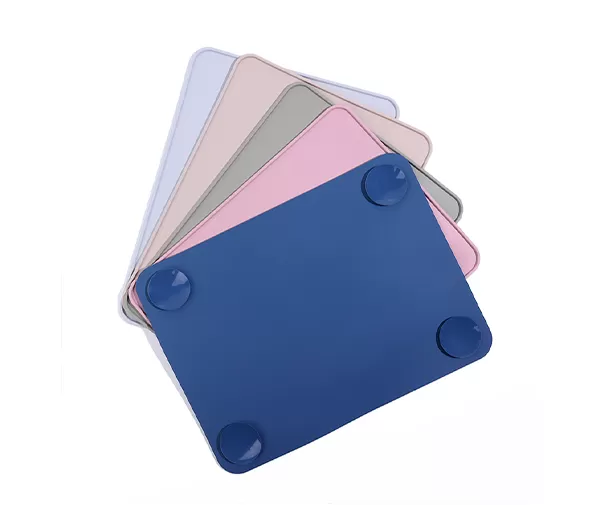
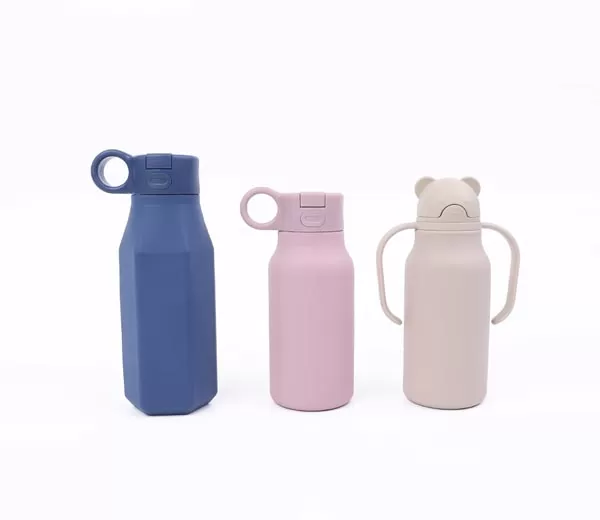
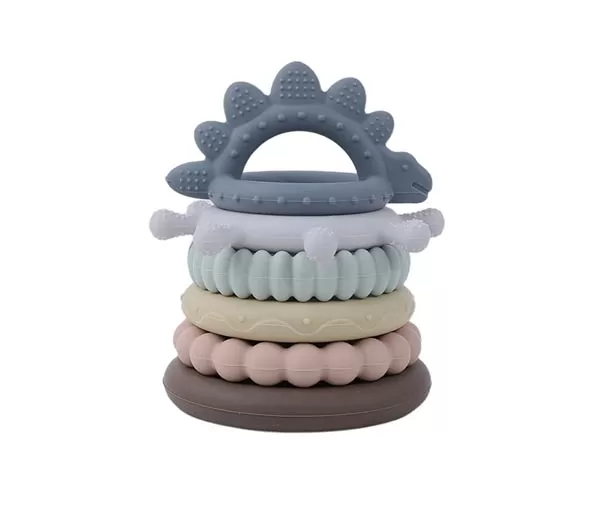
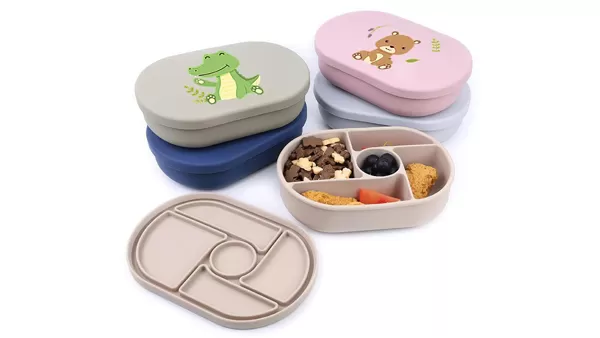
When made with FDA certified and LFGB-compliant materials, these products do not have microplastics. These are a much safer choice than plastics, which can leach harmful chemicals when you heat them. Some manufacturers, like Bangxing Silicone, have taken safety and durability of silicone baby products to the next level and they use platinum cured silicone. It is BPA free, soft to touch and sustainable.
Next time, you're shopping around for silicone kitchenware or a baby product, make sure you get your hands on the safest silicone items. But how do you know?
It all boils down to quality, and fortunately, there are a few criteria that, if ticked, can ensure that you’ve made a right choice.

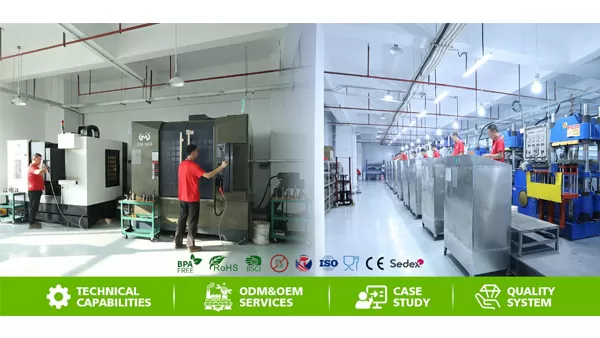
Those items that have been manufactured with LFGB and FDA compliance in mind are more likely to be safe and free of harmful micro components like microplastics. Checking for these labels shouldn’t take much of your time, but it will save you (and the ecosystem) of harmful components.
Watch out for that chemical odor. It is one of the first signs that you’re holding the wrong product. Pure silicone without fillers does not have any odor.
Always buy from reliable suppliers. Suppliers that are reluctant to provide certifications or do not disclose their sourcing of raw material, or cannot explain which manufacturing standards they follow, are a red flag.
Pure silicone that is devoid of plastics is soft to the touch. It has a smooth feel and doesn’t feel slimy. The surface of quality silicone is non porous and hence, it doesn’t let bacteria grow easily.
Silicone isn’t plastic, it is synthetic but is has a very different composition as compared to traditional plastics.
It’s true that silicone is durable and very stable. But in the end, it too dies. It degrades after facinf harsh conditions although the process is slow.
Silicone comes in varities. Not all of them are pure. High-quality, certified silicone, which does not have fillers, is safe, while there are also cheaper options that are not always safe.
While it costs more than plastics, it has a longer life and performs well under heat. Hence it is cost-efficient.
Yes, in most use cases, and for most of the criteria, it is safer than plastics. Although the production of silicone items still has an impact on environment, but it can replace reusable plastics that give off microplastics.
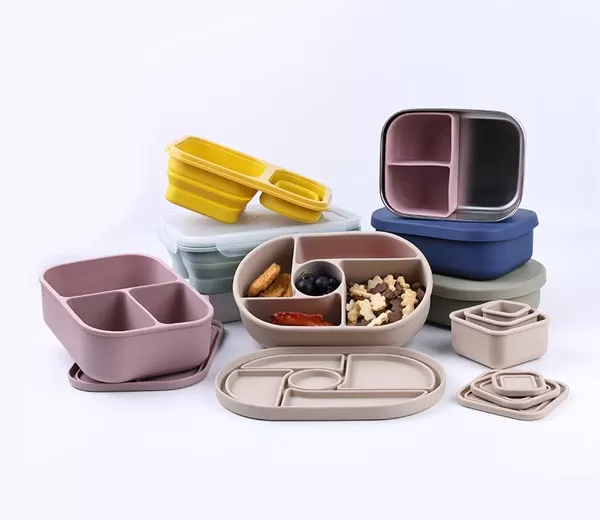
For example, replacing the plastic bags with durable and reusable silicone bags is a very smart choice with far-reaching impacts. Silicone baking mats reduce the waste of parchment paper. Similarly, silicone baby products are safer and eco-friendly as compared to disposable plastic ones.
In sort,when you can use and reuse a product for longer duration instead of frequently replacing it, this sustainability has positive impact. And above all, no harmful microplastics to contaminate the planet and our bodies.
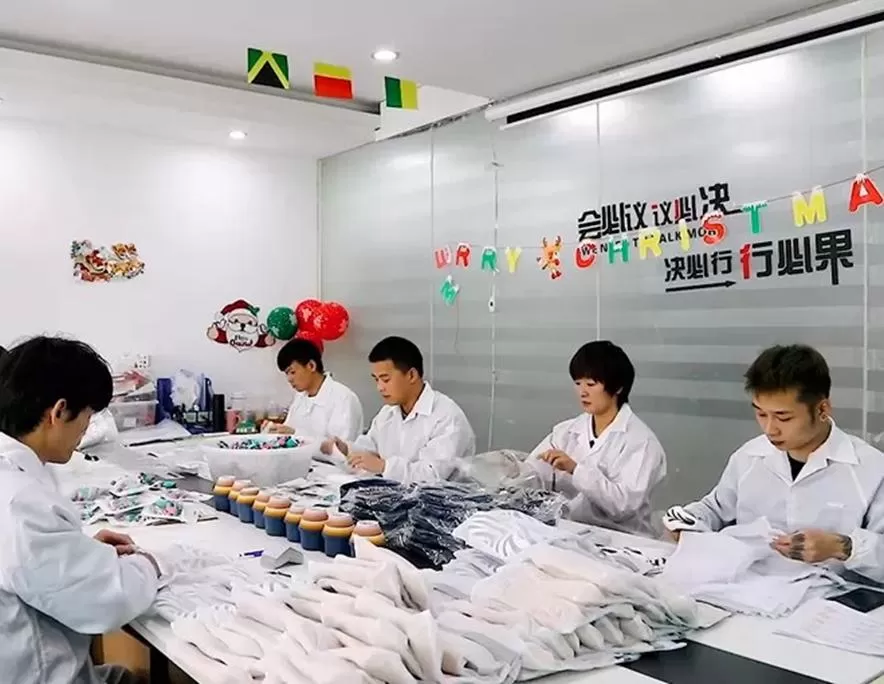
Why do the manufacturer even matter when it comes to safe silicone? Choosing a reliable manufacturer actually makes all the difference. The ones that follow the international manufacturing standards and source their materials responsibly are the ones that are doing a favor to the ecosystem.
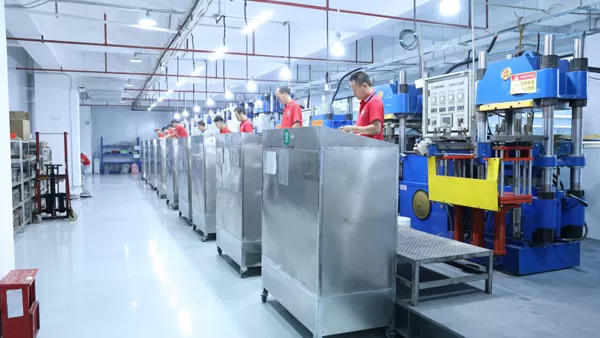
BAngxing Silicone, a trusted and experienced supplier of high-quality, food-safe silicone baby products follows the standards of quality and safety at every stage. They provide certified products using pure silicone that is safe for food contact and heat exposure.
Their platinum-cured product line uses the finest quality silicone which is flexible, free of harmful chemicals, durable, doesn’t leach chemicals, and looks premium.
Above all, they do not use impurities and filler materials that lead to quick degradation and the release of microplastics.
In short, the answer to the question ‘does silicone have microplastics’ is, no, it doesn’t release traditional petroleum-based microplastics. However, upon degradation, it does give off micro silicone particles, but they are different and less harmful.
Overall, silicone, when it is high quality, is a much better alternative to plastics for our ecosystem. It is sustainable, cost-efficient, durable, flexible, and safer.
However, to make sure your purchase makes a positive impact, always rely on reputable manufacturers, check the certification label, and avoid cheap, low grade silicone.
 Shenzhen Bangxing Silicone Technology Co,.Ltd