
Address:
301,C2 Building, Xiakeng Second Industrial Area, Tongde Community, Longgang, Shenzhen, Guangdong, China.
Jun 26 2026
Learn More
 Shenzhen Bangxing Silicone Technology Co,.Ltd
We’ve seen the silicone baby products industry evolve quickly in the past few years. There are higher standards of safety in place today. There has also been an increase in consumer awareness. Consequently, the manufacturers, brand owners, and distributors are reconsidering the material options.
Silicone elastomer is one of the most analyzed materials nowadays when it comes to baby products. It is quickly taking over conventional materials such as plastic, rubber, and glass. It promises superior performance and safety, and is being used to make complete lines of baby items.
But is silicone elastomer really the most suitable material to use in manufacturing baby products? In some cases, are traditional materials still better?
This guide discusses the benefits, limitations, and practical applications of silicone elastomer in strictly regulated industries like baby care. The aim is to help businesses and brand owners make wise choices.
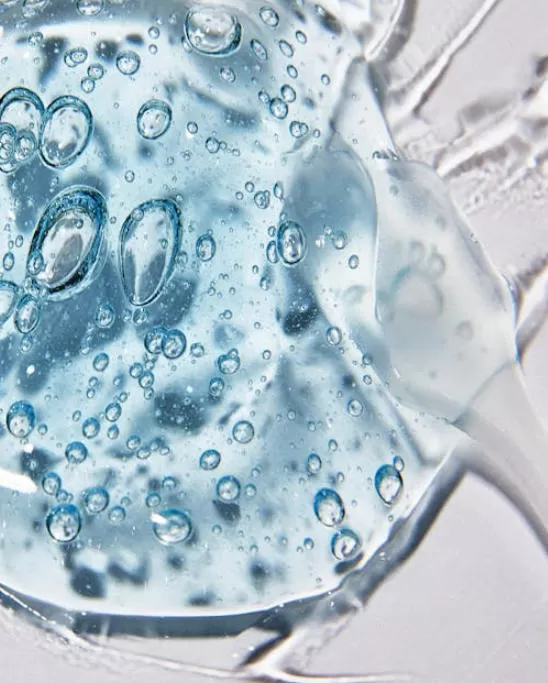
Silicone elastomer is a rubber-like substance that is composed of silicone polymers. It is soft and flexible and yet very strong and has great thermal stability. It does not leach harmful chemicals as opposed to traditional rubber or plastic, even when sterilized and heated at extreme temperatures.
Silicone elastomer is elastic yet capable of keeping its shape under pressure. It can bear temperatures as low as -60 °C and as high as 230 °C. It is safe for the skin and hypoallergenic. Moreover, it is tasteless and odorless. These properties make it suitable for manufacturing products that come in contact with babies’ skin and food.
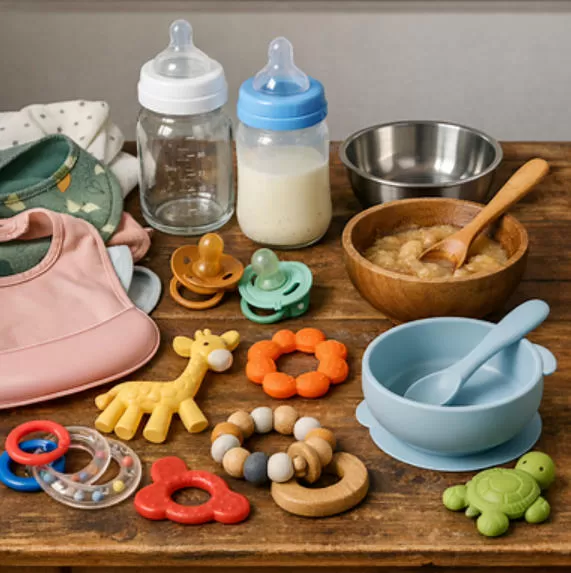
Before the popularity of silicone elastomer, manufacturers depended on the following materials:
Plastics (PP, PVC, ABS)
Natural rubber
Glass
Stainless steel
All these materials possess their own strengths and weaknesses, based on the nature of the product and usage.
Let’s have a candid comparison between some of the most commonly used materials for baby items and silicone.
In baby products, there can be no compromise when it comes to safety. If the material is not in accordance with the safety standards, you can’t get your products pass through the regulatory authorities.
Insight:
Silicone elastomer is unique in that it is chemically stable and does not contain any harmful additives. While steel is also a safe material when it comes to allergies and chemical leaching, it isn’t as soft on skin as silicone elastomer.
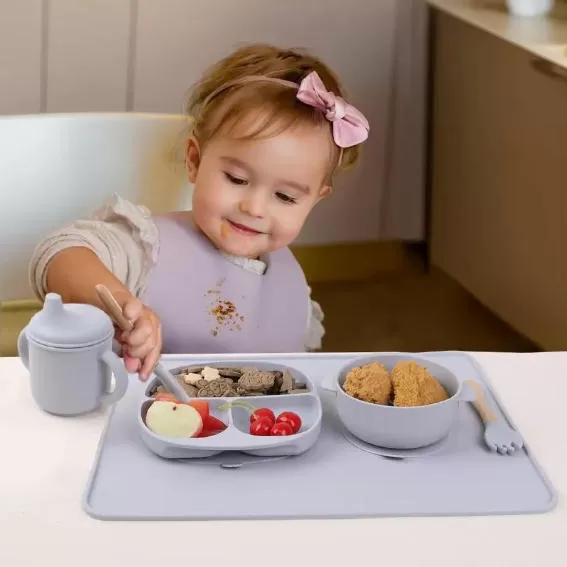
The quality of products and brand image is directly affected by durability. Sturdy material means a longer life of the product.
Insight:
Silicone elastomer is a string and sturdy. However, unlike other choices, it is flexible at the same time.
Baby products are usually subjected to sterilization and heating. They also bear very low temperatures due to freezing, e.g., in the case of baby nibble freezing trays.
With a wide range of bearable temperatures (-60 °C to 230 °C) silicone can retain its structure at both extremes.
Plastic, on the other hand, may melt and even release harmful chemicals on heating.
Glass is moderately Resistant to heat, but can easily crack in colder settings.
Rubber is a natural material free of chemicals, but it cannot tolerate heat and cracks too quickly.
Conclusion:
Silicone elastomer is the best choice in products such as bottle nipples, pacifiers, and feeding accessories that are routinely sterilized and kept in freezers.
Comfort is paramount in the design of baby products, particularly in teething and feeding products that are in direct contact with the mouth and sensitive gums of a baby. Silicone elastomer is unique in this aspect because of its soft, skin-like touch.
Comparatively, plastic is hard and not as comfortable, and thus cannot be used in such applications over a long period. Rubber is flexible, but is not durable and may wear out. Glass and stainless steel, however, are the ones that are not at all soft and do not offer any comfort to babies.
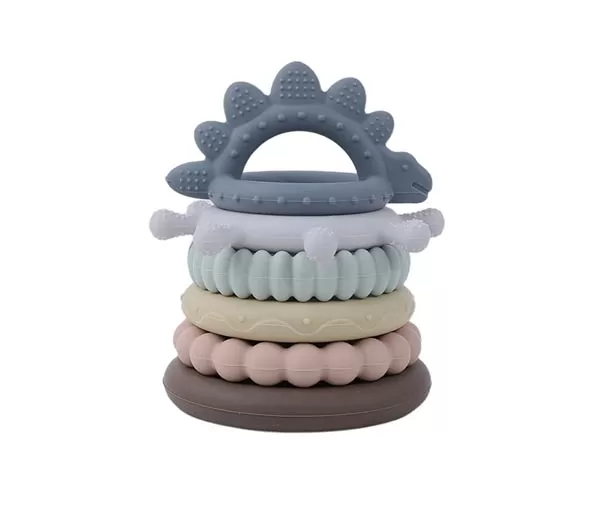
For a better comparison, take the example of teething toys which are much safer and more comfortable in silicone elastomers than in plastic ones. Silicone teethers provide flexibility and a calming feel that will better meet the needs of a baby.
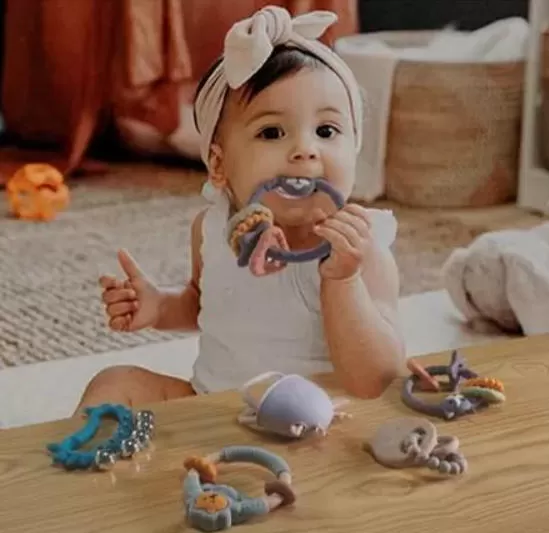
Babies are very sensitive to bacteria and contaminants. Hence, baby feeding kits and toys need to be made with materials that don’t get contaminated too quickly and should be easy to clean.
Insight:
Silicone elastomer is non-porous, which means that it does not accumulate bacteria, thus it is very hygienic.
Sustainability is becoming a factor in purchasing decisions, particularly in the baby product industry, where safety and environmental responsibility go hand in hand. Here too, silicone is a sustainable option.
It cannot be recycled and is not biodegradable. However, the real worth of silicone lies in the fact that it has a long life, and you don’t need to replace silicone baby items very often. This brings waste to minimal level and saves resources as well due to reuse.
The versatile nature of silicone elastomer makes it a good fit for an array of baby products. You can confidently rely on it for those products that revolve around comfort and durability, and can still benefit from elasticity.
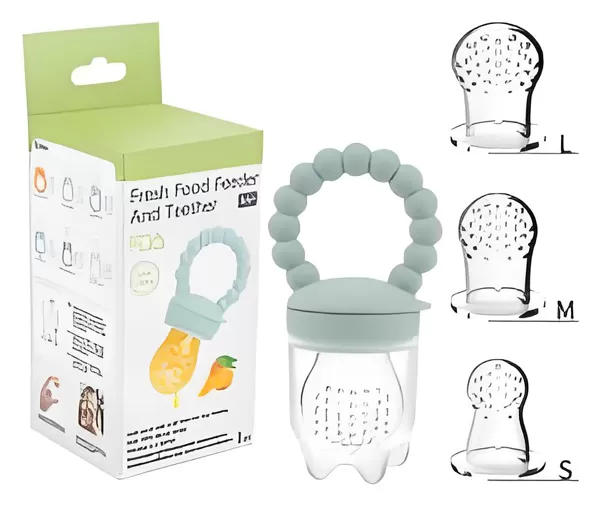
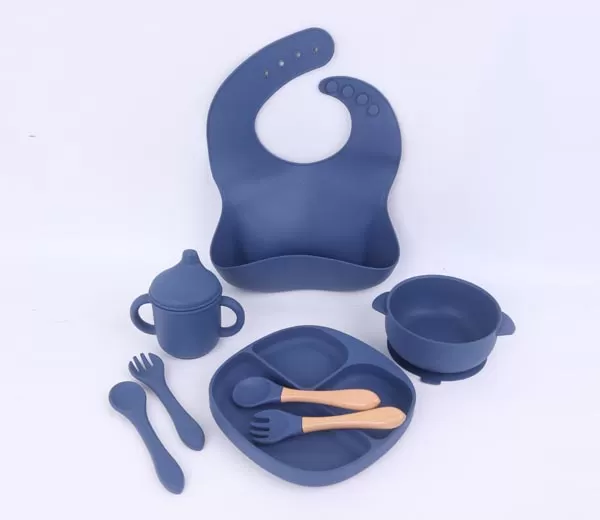
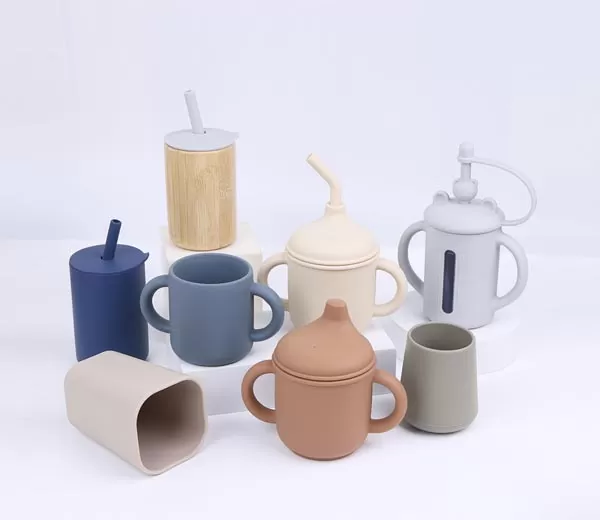
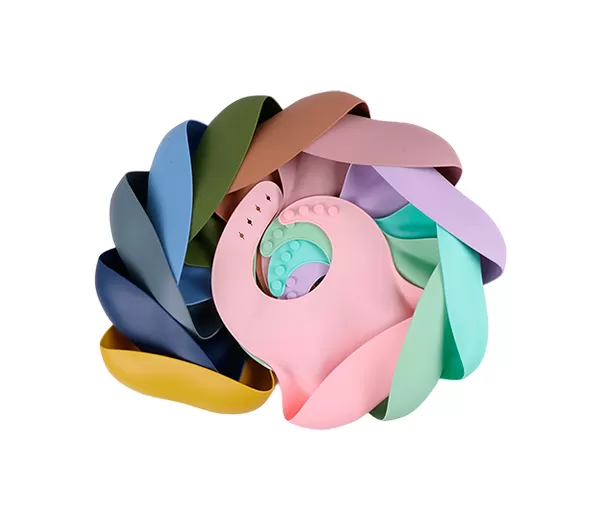
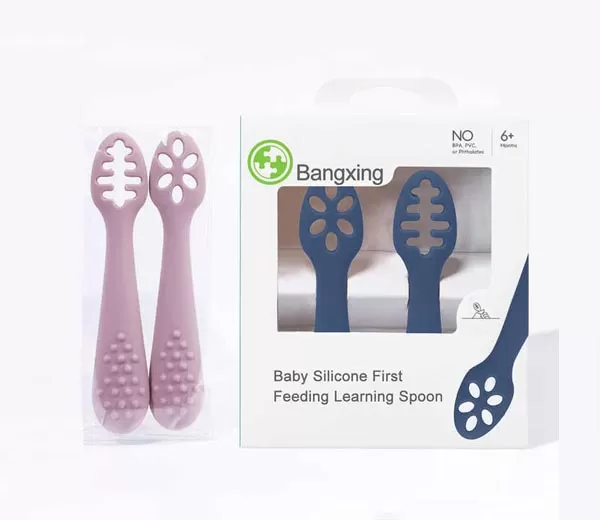
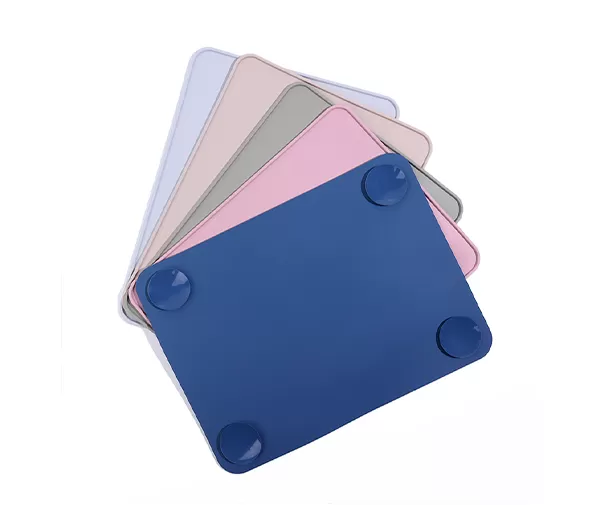
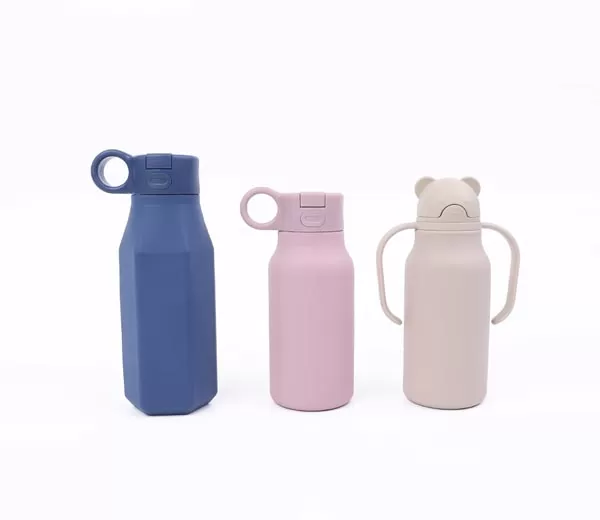
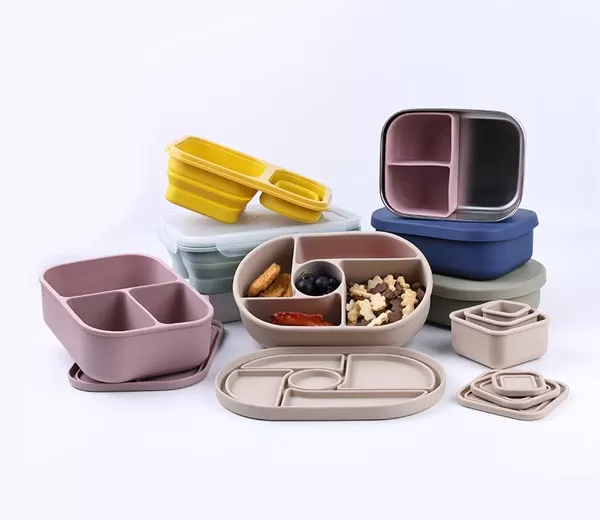
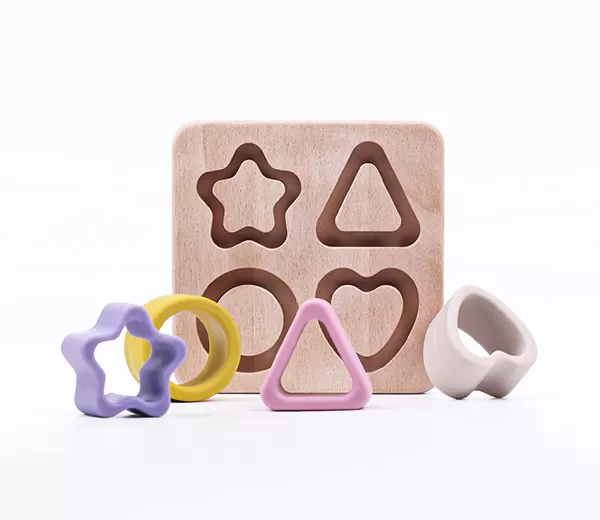
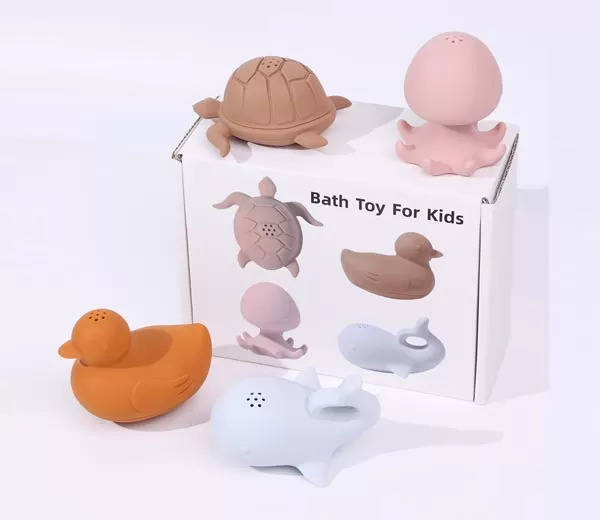
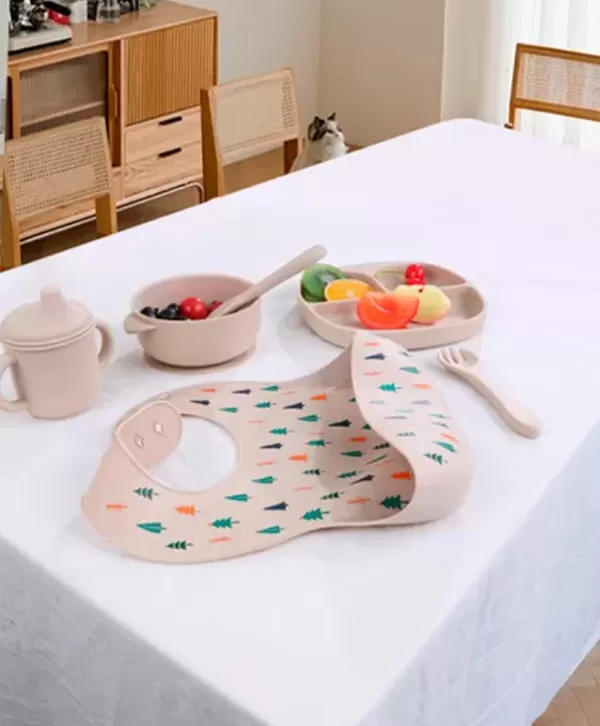
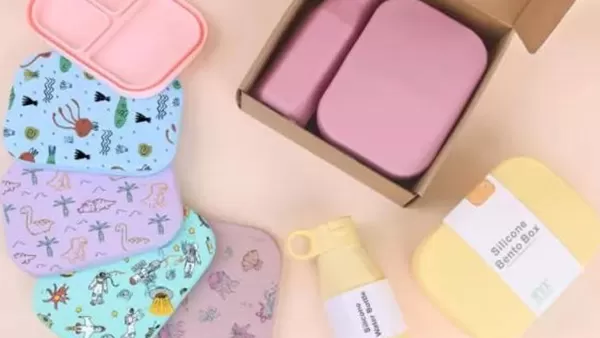
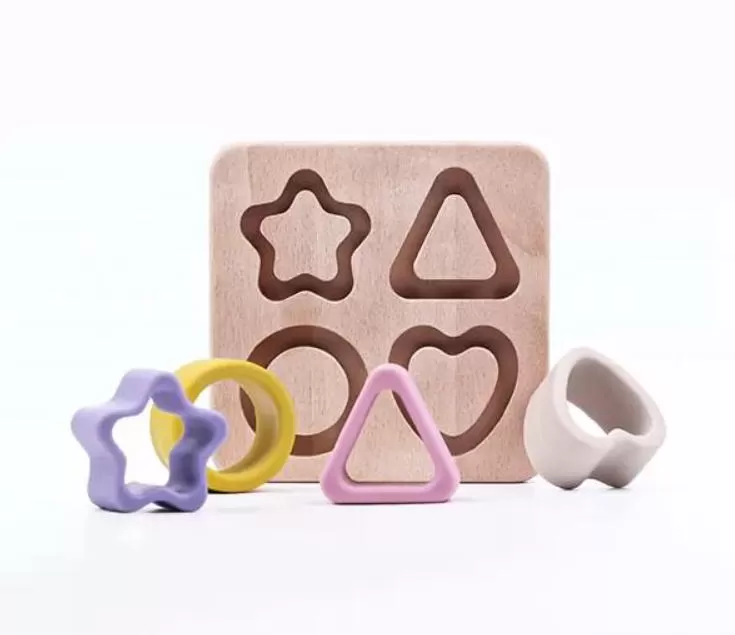
For example, it is often the main component in feeder nipples, soothers, teething toys, breast pump parts, baby spoons and feeding sets, silicone bibs, and anti-colic valves.
This wide use of silicone elastomer is because it brings comfort and ease of use. It combines durability with high functionality and safety.
Although silicone elastomer has its merits, it is not necessarily the default choice. There are certain use cases where it is still wise to use traditional materials. For example;
Glass bottles: They are preferred for storing chemicals because glass is highly non-reactive.
Stainless steel containers: These are the best for long-term use and are the highest in durability.
Plastic (PP): It is good for low-cost disposable items.
Key Takeaway:
The choice of materials must be in line with the product functionality, market, and pricing.
A significant consideration of B2B buyers is cost. Although the silicone elastomer is more expensive initially, it has:
Lower return rates
Higher customer satisfaction
Better brand perception
This can lead to a higher ROI in the long run.
Now comes the crucial factor of compliance with the standards of safety and quality. Baby products need to meet the highest standards. Compliance is a very important element to manufacturers, brand owners, and distributors as it has a direct impact on access to the markets and consumer confidence.
In the case of silicone elastomer, you can easily get your products approved due to its high safety and quality. The products made with silicone elastomer are FDA approved, safe for the products that are come in contact with food and the mouth of a baby.
Besides, it can also fulfill LFGB certification, a known European standard of safety. Silicone elastomer is also BPA-free and phthalate-free, which further supports its safety profile.
Conventional materials are more problematic. Plastics are not always toxin-free, which makes them difficult to pass the regulations. Even though rubber is practical in certain applications, it may result in allergic reactions, and hence limit its use to baby products.
Silicone elastomer simplifies the compliance process, especially for the brands that wish to venture into international markets.
While sourcing silicone elastomer as a preferred material for baby products, distributors and resellers need to take into consideration the following points:
The type of silicone used i.e. Liquid Silicone Rubber (LSR) or solid silicone,
the precision of injection molding,
the complexity of the mold construction.
Production scalability is also a consideration. Silicone elastomer is utilized in both small and large-scale production, but is more economical when in large quantities, and hence is suitable when you are scaling up.
Overall, silicone elastomer gives repeatability, quality consistency, and the manufacturing process can be automated. These advantages help manufacturers reduce defects, scale well, and have uniformity in the product standards.
Baby care industry around the globe is shifting to more eco-friendly and safe material choices. The consumers are preferring minimal wastage options.
Key Trends include
Growth in demand for BPA-free products.
Increase in environmentally friendly parenting.
Premiumization of baby products.
Direct-to-consumer (DTC) brands.
Silicone elastomer fits these trends perfectly, so it is an excellent option to consider for progressive brands. If there is a material choice that fits all the above demands, it is silicone elastomer.
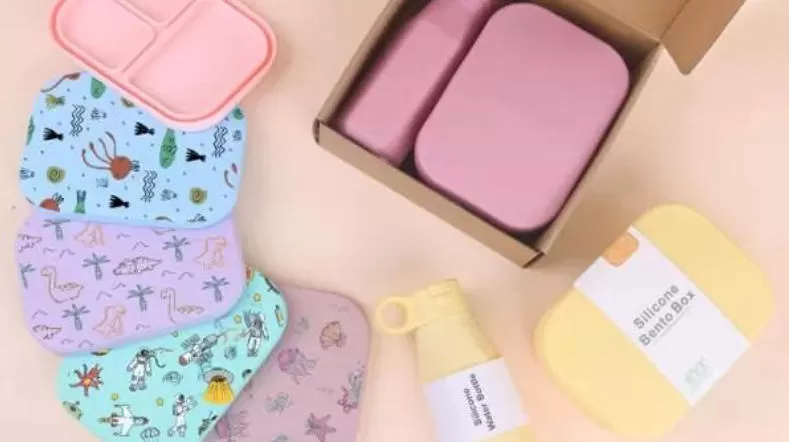
Bangxing Silicone has established itself as a trusted partner for international brands. It has expertise of more than 2 decades in manufacturing baby products that use silicone elastomer. We have been providing high-quality baby products even for the clients in the strictest markets in Europe, America, and Asia.
We take pride in quality silicone molding and strict quality control measures. Our ODM/OEM custom product designs are helping our clients stand out in a competitive market.
To B2B buyers, distributors, and brand owners who are interested in entering or growing in the baby product market, collaboration with an established silicone manufacturer such as Bangxing will simplify production and maintain the quality of the products.
Ready to take the lead with a private label brand of your own? Get in touch today, select the products, and let us customize everything from logo and packaging to the color combinations and design.
Yes, silicone elastomer is generally regarded to be safe among newborns since it is non-toxic, hypoallergenic, and contains no toxic chemicals such as BPA and phthalates.
No, high-quality food-grade silicone elastomer does not release harmful chemicals even under heat or repeated sterilization.
Although BPA-free plastic is safer than traditional plastic, silicone elastomer is more durable, heat-resistant, soft to the touch, and safer.
Yes, silicone elastomer is made for repeated sterilization, such as boiling, steaming, and microwave sterilization, without deterioration.
Silicone cannot be biodegraded, but it has a long life and can be reused, which means it is more sustainable than single-use plastics.
This is because of the initial tooling cost and highly precision-focused processing. But they have long life and are durable which makes them a cost-effective option in the long run.
 Shenzhen Bangxing Silicone Technology Co,.Ltd