
Address:
301,C2 Building, Xiakeng Second Industrial Area, Tongde Community, Longgang, Shenzhen, Guangdong, China.
Jun 26 2026
Learn More
 Shenzhen Bangxing Silicone Technology Co,.Ltd
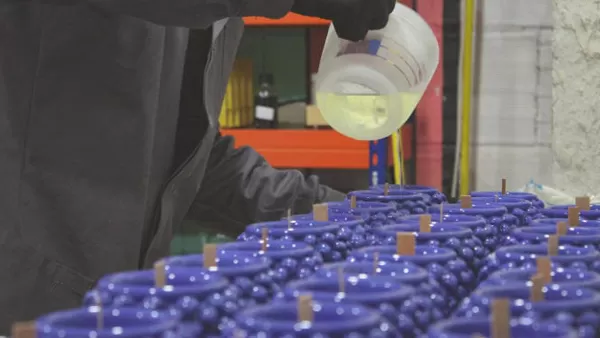
When you are dealing in industries where the products must be safe and give the highest performance, selection between liquid silicone rubber and solid silicone rubber is very crucial. This makes more sense when we talk about silicone baby products, food-grade products, and medical items.
For B2B buyers, this selection phase can have long-lasting effects on product quality, compliance, and profit margins.
Let’s compare both materials and get to know how they are different in their manufacturing process, properties, and use cases, especially for baby products market.
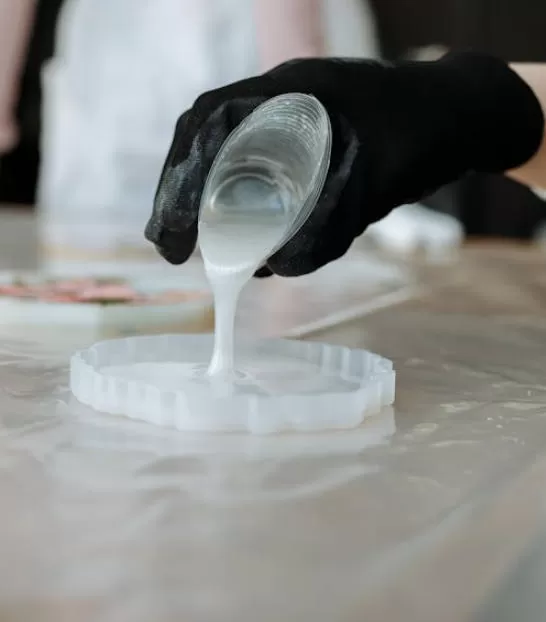
It is a platinum-cured elastomer. It has superior flexibility, purity, and consistency. It is normally in a liquid state, and injection molding systems are used to process it.
Liquid silicone is heavily used in environments that require high precision, hygiene, and repeatability of response. This includes baby products, medical devices, and components that are to be used for food processing.
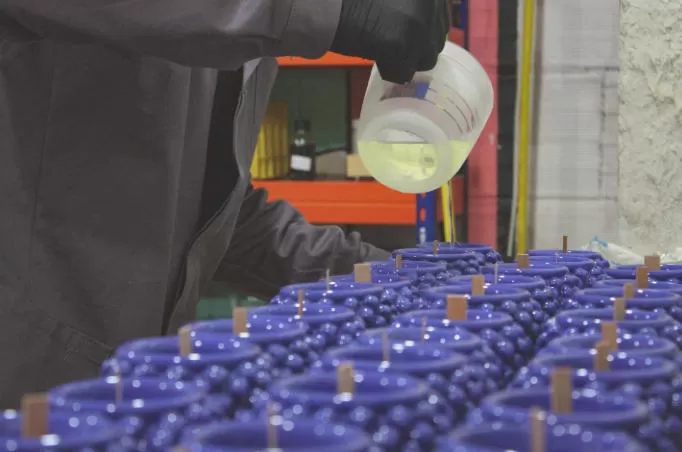
You can pour liquid silicone into any mold, no matter how complex the design is, it will fill the mold completely because it is runny and not very thick.
Liquid silicone keeps its chemical properties unchanged even at very high temperatures.
Liquid silicone is non-toxic to human skin. Its hypoallergenic properties make it a good fit for medical and baby products industry.
Liquid silicone is naturally clear. This means you can use it for products that require visual appeal. This transparency also makes it possible to give the products the precise color of your choice.
Since the surface of silicone does not have pores, it means microbes have no chance of growing. This property makes it ideal for the items that need high hygiene, for example, you can make teethers, pacifiers, and baby feeding items with it.
Solid silicone is a more traditional type of silicone rubber. It also goes by the name of high consistency rubber (HCR). It is dough-like in nature, and you can process it through compression molding and extrusion.
It is more common where you need strength and durability, and the precision requirements are not very tough. Or in other words, you can use it for simpler, not-so-complex designs.
Solid Silicone has the following important properties.
It is a bit thick and more dense and can be used to shape simpler molds due to its dough-like consistency.
Silicone Resin (solid silicone) usually needs manual processing by the labor during the molding process, which may affect uniformity.
Solid silicone is very durable and good for items where you prefer long life.
Solid silicone retains structure, particularly in larger or less complex components.
Peroxide or platinum systems can be used to cure it, depending on the application's needs.
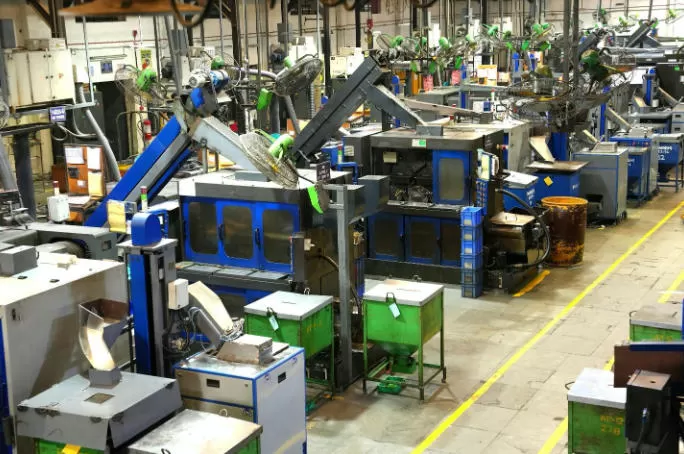
This is among the major differences between both types of silicone. Liquid silicone is processed using automatic methods like injection molding. These methods do not use labor. This means there are lesser chances of defects, ad the production cycles are faster.
Solid silicone rubber is processed through compression molding and extrusion. It takes more time and the chances of flaws are there as well. These processes are good for simpler designs that do not involve complex details.
For distributors, this means that LSR is more scalable and consistent, especially for the large-scale production of the product.
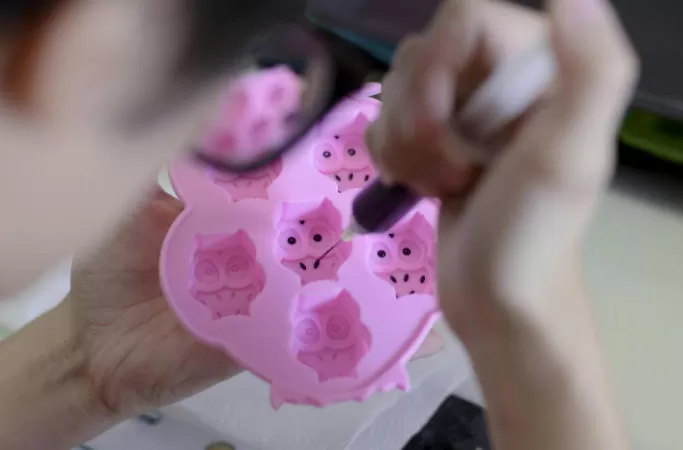
Tight-tolerance and detailed designs are suitable for using liquid silicone.
Liquid silicone can consistently reproduce complex textures, micro-features, and thin-walled designs across production lots. On the other hand, solid silicone is less precise as it is not as convenient to work with by hand. It is not as suited to complex geometries as it can provide more flexibility to the end product.
This is what makes liquid silicone the material of choice in the baby bottle nipple, pacifier, and feeding accessories, where accuracy is of the essence.
In the case of baby products, there is no compromise on safety.
Liquid silicone is normally platinum-cured. It does not give rise to harmful by-products and is also free from any smell or taste. It easily passes the FDA and LFGB requirements.
Comparatively, solid silicone is commonly peroxide-cured. It can emit by-products and must undergo extra curing procedures to be safe for sensitive uses, leading to a higher chance of contamination.
Compliance-wise, liquid silicone is the best to use in food-grade and baby-safe applications.
Both materials are durable, but they are different in performance, based on the application.
Mechanical Properties Comparison
The ideal material for baby products is liquid silicone as it is highly flexible, elastic, and tear free. It does not alter its performance in the presence of very high temperatures. Moreover, it gives a good grip due to its non-slippery surface.
Conversely, solid silicone is known for offering good tensile strength and a firmer structure. This renders it more appropriate for heavy-duty or load-bearing uses.
Liquid silicone would offer a safer and more comfortable experience with soft-touch baby products like teething toys.
In a competitive B2B world, cost and delivery timeline are all about production efficiency. Liquid silicone has automated manufacturing processes that save on labor costs. It provides high repeatability, as well as a big boost in production.
Solid silicone is more of a labor-intensive product, which contributes to inconsistencies and increases the risk of defects.
Although the upfront cost of LSR might be higher at the start. But in the long term, the payoff is much better, particularly in large-scale manufacturing.
Consumer trust in products depends on the look of the product, particularly in baby care products.
Liquid silicone gives the product a smooth and glossy surface. It has minimal or no post-processing needs and is suitable for branding high-quality products. Compared to it, solid silicone can be expected to take up more finishing work and may not be as uniform on its surface.
If you want to become a brand that is known for its premium quality, liquid silicone has an edge over the solid one.
Price is one of the most important factors. However, it should not be limited to calculating the initial cost only. Take into account a complete picture.
Liquid silicone usually is expensive in the beginning because its tooling costs are higher. But in the long run, this is overcome by automation of the process and almost zero material waste.
Solid silicone may feel cheaper in the beginning. But it is more expensive in the long run. It requires manual labor and this means it is not suitable for mass production. The processing is also expensive as a whole, and the defects ratio is higher.
When scaling your private-label silicone baby products brand, investing in liquid silicone can be more profitable in the long run.
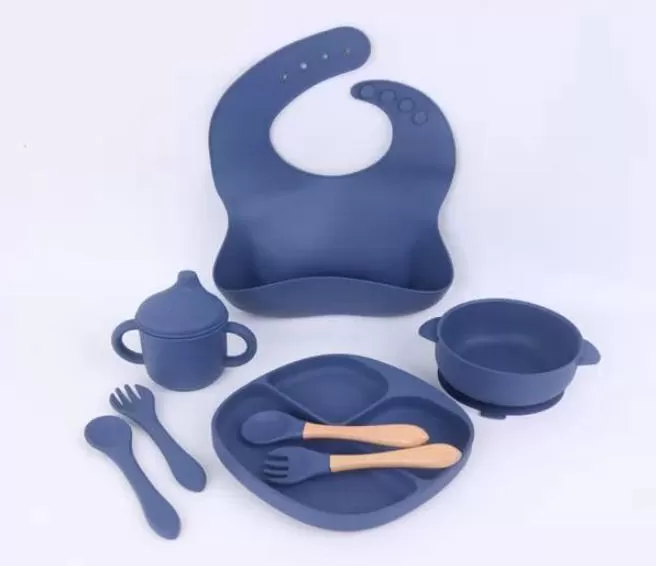
For the producers of baby products, the selection of the material is critical in terms of its safety, durability, and the satisfaction of the end user. The choice of liquid and solid silicone has a direct impact on product performance, compliance, and consumer trust.
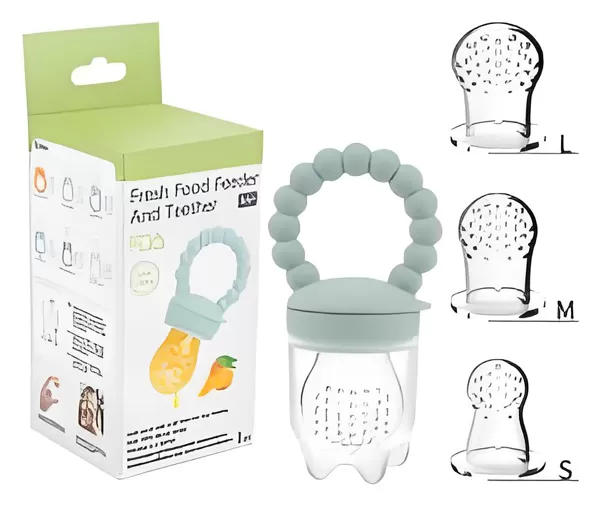
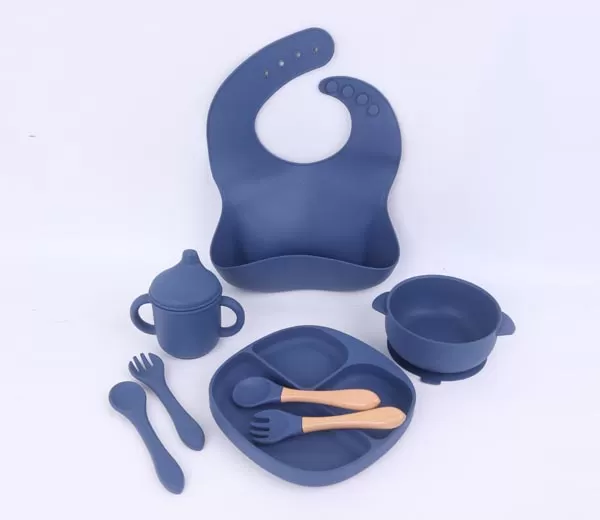
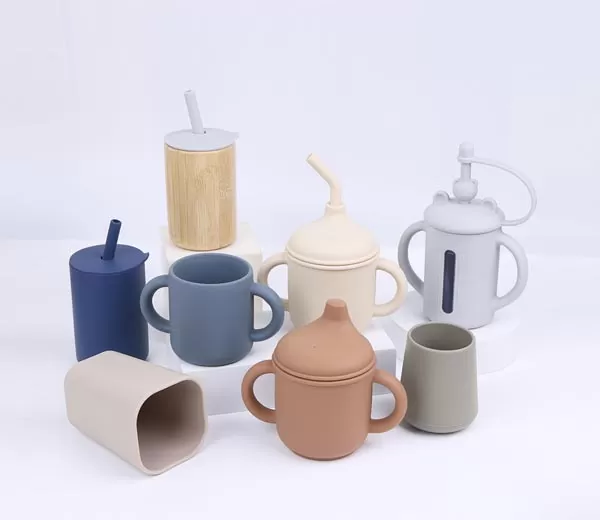
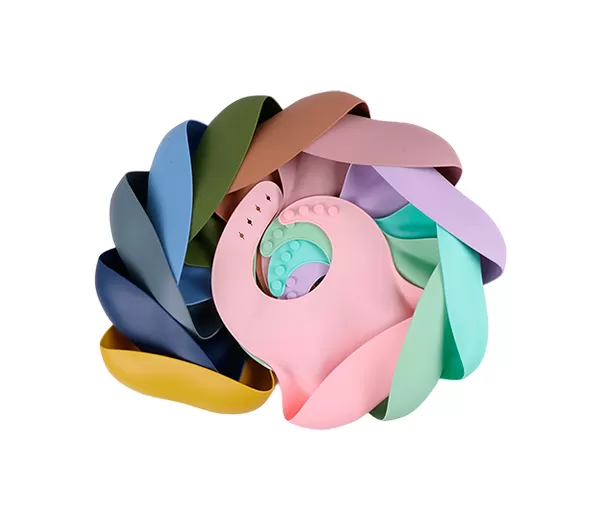
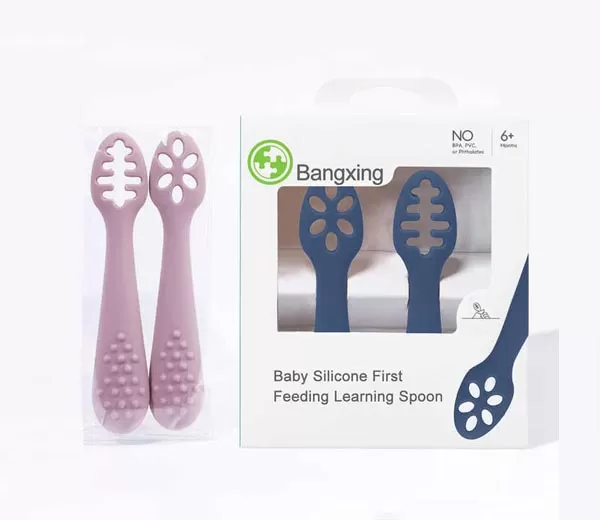
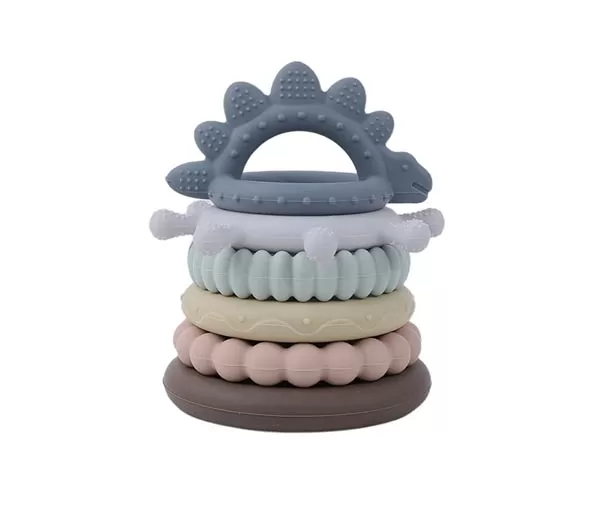
Liquid silicone rubber is usually preferred to manufacture baby-related products like baby bottle nipples, baby pacifiers, teething toys, breast pump accessories, baby spoons, and full feeding systems. It is soft, flexible, and can be highly precise. Above all, it is skin friendly and safe to use in products that come in contact with babies’ mouths, food, and skin.
Solid silicone is commonly applied in more functional or structural applications. Such as seals and gaskets, handles or grips, and other less detailed molded products, where fine detailing is not a major consideration.
In general, liquid silicone is the leading material in the baby care industry. It is much softer, safer, and more accurate for the manufacturing of high-end, consumer-directed baby care products.
The worldwide trend of safe, non-toxic, and environmentally friendly materials places liquid silicone as a better choice in the production of baby products.
Compliant with high international standards of safety.
Favors environmentally friendly production because of minimal waste.
Enhances product innovation.
Allows uniform quality on scale.
To B2B buyers, this will mean fewer complaints, better brand reputation, and increased customer satisfaction.
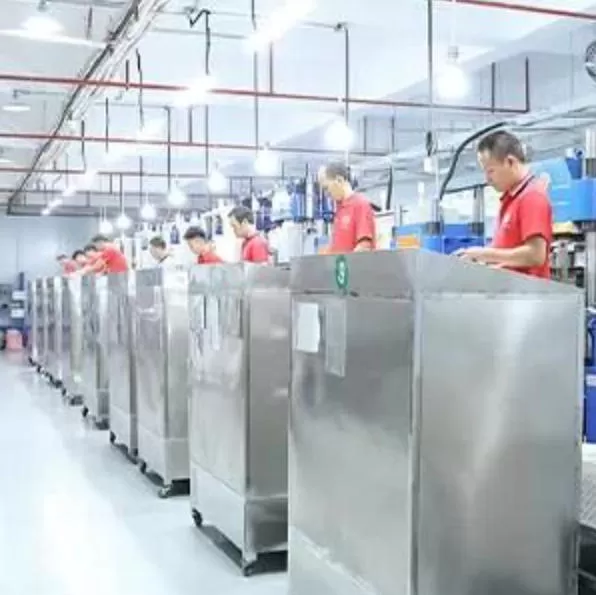
Selecting the right material is important for business’ success, but so is the selection of a reliable production partner. Choosing experienced, trusted supplier gives you peace of mind in the long run.
We are the producers of premium-quality silicone baby products at Bangxing Silicone. Our silicone baby products are manufactured with the advanced liquid silicone rubber (LSR) technology. We have modeled our production processes to meet the highest global standards. As a result, all our products are safe, long-lasting, and consistent in performance. Every stage is well regulated to the expectations of global B2B buyers, starting with the selection of raw materials, up to final inspection.
We have years of experience in liquid silicone injection molding, and we are very committed to quality assurance and compliance with FDA and LFGB.
Our OEM and ODM customers are provided with the services of dynamic custom design. This allows the brands to implement the idea of a personal product at an affordable price. At the same time, our scalable production capabilities enable us to handle both small and large-volume orders without compromising on quality. We have a history of 20 years in making baby products and food-grade silicone products.
We have contributed to helping brands from different countries create safer, more reliable, and market-ready silicone baby products by incorporating material innovation combined with precision manufacturing.
Liquid silicone is generally safer because it it platinum cured and does not give harmful by products. It is used for baby products manufacturing across the globe.
Liquid silicone has a higher initial cost of tooling, but is less expensive in high-volume production due to automation and minimal defects.
Yes, but it requires additional treatment to make it safe. Liquid silicone is a more common choice in this industry.
It has a low viscosity, which enables it to pour into molds easily to capture the minute details and maintain the same quality in different batches.
The decision about selecting liquid silicone rubber or solid silicone rubber is not only a technical choice, but a strategic one. The liquid silicone, with its safety, scalability, and product quality benefits, is an obvious winner for most B2B purchase decisions in the baby product sector.
As the consumers become more quality and safety-conscious, your business’s success will depend a lot on selecting the most appropriate material.
 Shenzhen Bangxing Silicone Technology Co,.Ltd