




Address:
301,C2 Building, Xiakeng Second Industrial Area, Tongde Community, Longgang, Shenzhen, Guangdong, China.
Jun 26 2026
Learn More
 Shenzhen Bangxing Silicone Technology Co,.Ltd

Whether you are an industrial engineer specifying materials for high-temperature sealing, a product manager designing the next generation of baby feeding products, or a procurement officer ensuring supply chain safety, you have likely encountered one critical material: silicone.
Because of its rubbery texture and flexibility, it is incredibly common to associate silicone with traditional plastics or organic rubbers. This often leads to a crucial and frequently searched question: What is the silicone melting point? Or more simply, does silicone melt if left in an oven, a boiling pot, or a hot mechanical environment?

The short answer is fascinating: silicone does not melt like plastic. Instead of turning into a liquid goo, it undergoes a complex thermal degradation process. Understanding why silicone behaves this way, its precise temperature thresholds, and how it reacts to fire is paramount for scientific material selection.
In this comprehensive guide, we will dive deep into the molecular structure of silicone, break down its exact temperature limits, compare it with other elastomers, and explain why this miraculous material is the absolute backbone of the maternal, kitchenware, medical, and industrial sectors today.
Silicone, chemically known as polysiloxane, is a synthetic polymer that bridges the gap between organic and inorganic materials. Unlike traditional organic rubbers (like natural rubber or neoprene) and standard plastics which rely on a Carbon-to-Carbon (C-C) backbone, silicone is built upon a Silicon-Oxygen (Si-O) backbone.
This is the secret behind heat resistant silicone. The Si-O chemical bond is incredibly strong. To put it into perspective, the bond energy of a silicon-oxygen bond is approximately 452 kJ/mol, which is significantly higher than the 346 kJ/mol energy of a standard carbon-carbon bond found in most plastics.
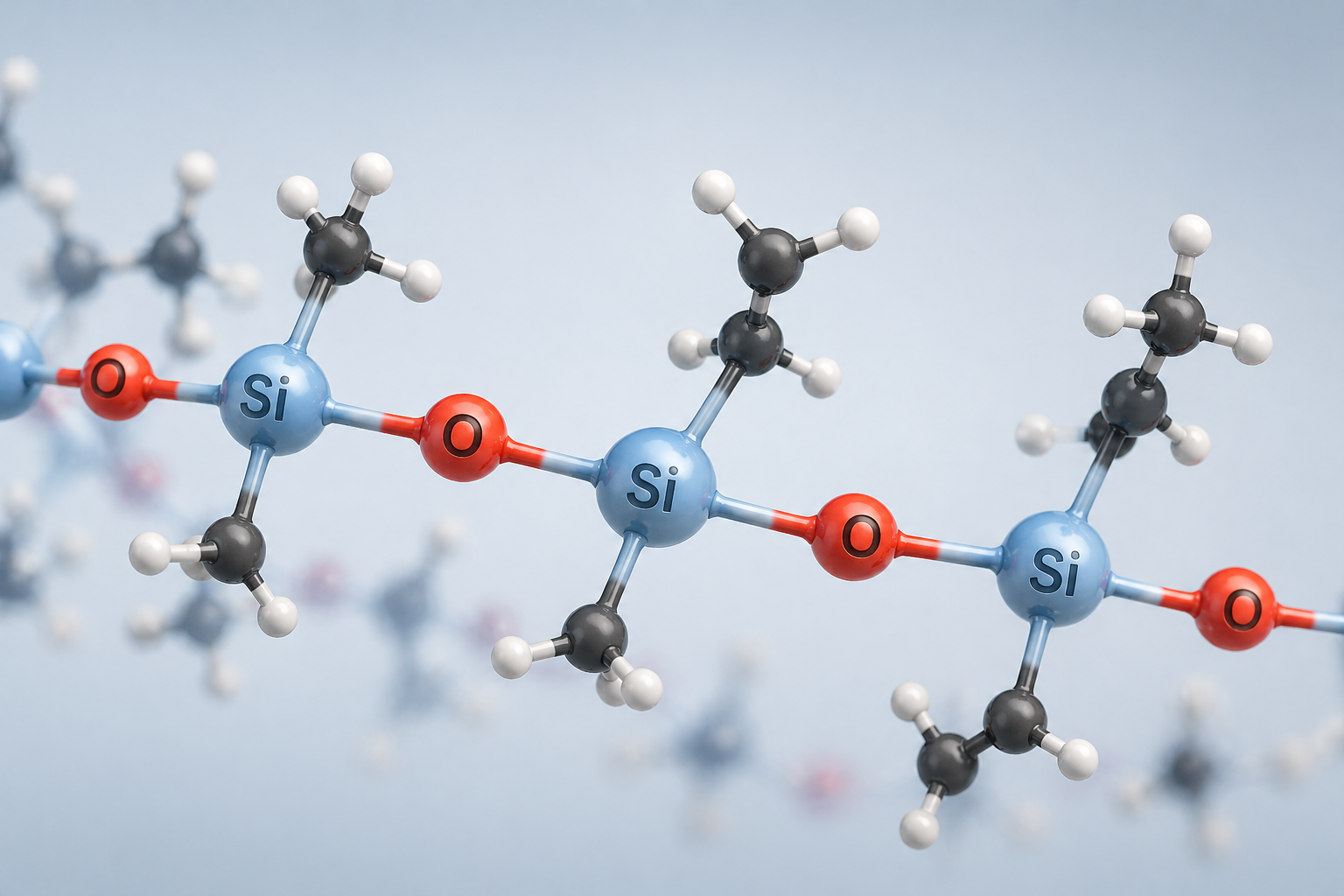
Because it takes far more thermal energy to break these Si-O bonds, silicone inherently possesses outstanding thermal stability, excellent electrical insulation properties, and a unique resistance to ozone, UV light, and general weathering. Whether it's exposed to the freezing temperatures of aerospace applications or the intense heat of an industrial boiler, silicone maintains its elastomeric flexibility where other materials would harden, crack, or melt.
If we know that it doesn't melt, the next logical query for engineers and designers is: what temperature does silicone melt or, more accurately, degrade?
While standard silicone is incredibly robust, it is not invincible. Its reaction to heat depends heavily on the exact formulation and the duration of exposure. Here is a detailed breakdown of the silicone melting temperature (decomposition scale):
| Temperature Range | Silicone Behavior & State Changes |
| -50°C to 200°C | Safe Operating Zone: Highly stable, retains full mechanical strength and flexibility. Safe for continuous long-term use. |
| 200°C to 300°C | Intermittent Zone: Gradual thermal degradation begins if exposed continuously. The silicone may start to harden and lose some elasticity over time. Specially formulated high-temp silicones thrive here. |
| 300°C to 400°C | Severe Degradation: Rapid loss of mechanical properties. The material becomes brittle, loses its stretch, and the molecular bonds begin to break down under the thermal stress. |
| > 400°C | Decomposition & Carbonization: The silicone begins to chemically break down. It will carbonize, turning stiff and brittle. |
| Approx. 450°C (842°F) | Auto-Ignition Point: In the presence of a flame or extreme environmental heat, silicone can catch fire. |
| Residue Phase | Silicon Dioxide: Once fully burned or decomposed, it leaves behind a harmless, non-toxic white powder (silica ash). |
Key Takeaway for Sourcing: Never specify materials based on a non-existent "melting point." Instead, always look for the maximum continuous service temperature on the manufacturer's Technical Data Sheet (TDS).
Safety compliance often dictates material choices. A frequent question from procurement teams evaluating factory or electronics safety is: is silicone flammable?
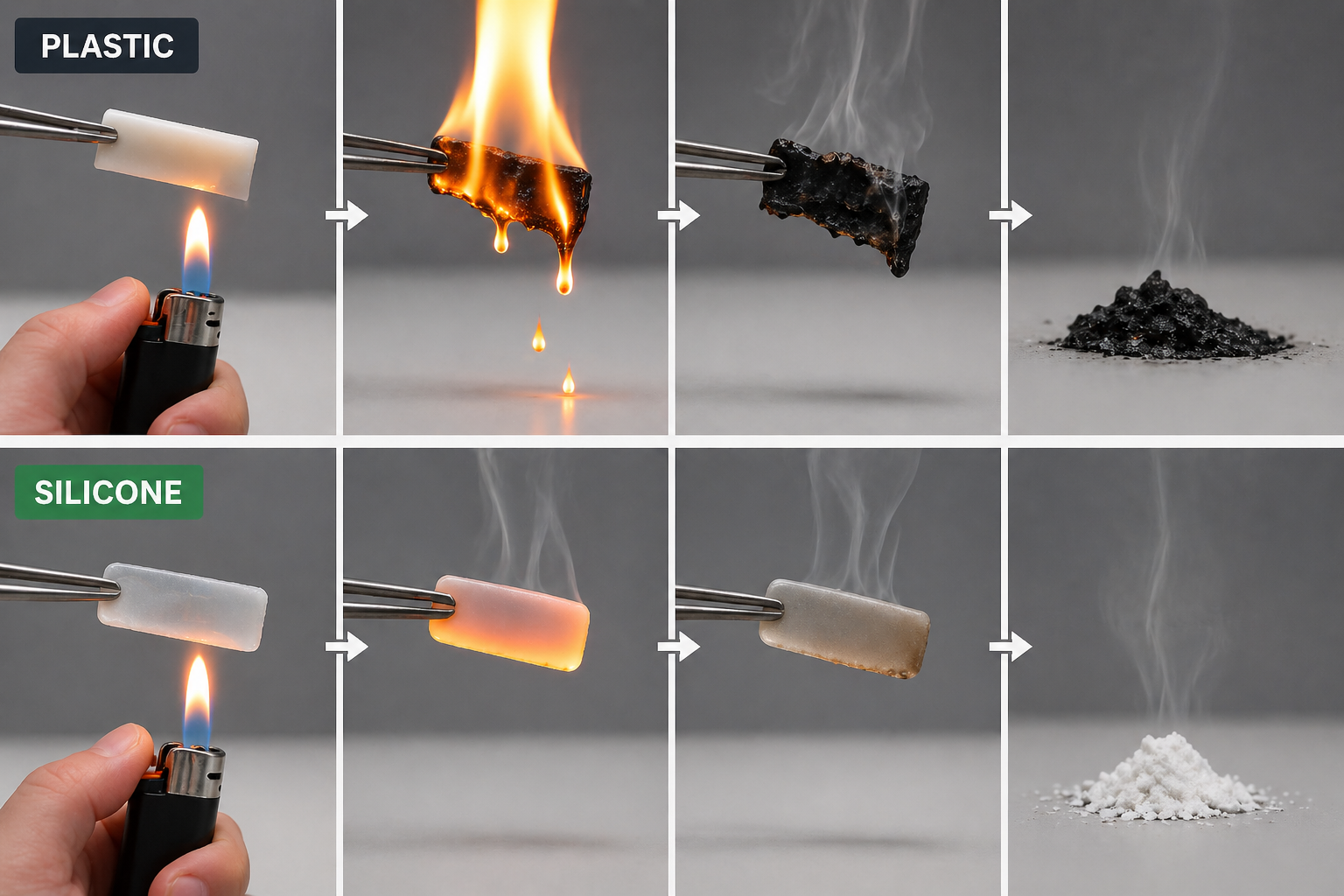
Silicone is widely classified as a highly flame-retardant and non-flammable material in standard environments. It requires an extraordinarily high temperature—around 450°C (842°F)—to auto-ignite. Since most consumer and industrial applications rarely reach these extremes naturally, silicone is considered inherently fire-safe.
What happens if a fire does break out?
Self-Extinguishing Properties: Unlike plastics that melt into flaming droplets (which spread fires rapidly), silicone is self-extinguishing. The moment t
he external heat source or open flame is removed, silicone stops burning.
Low Smoke and Zero Toxins: When silicone burns, it doesn't emit the black, toxic, choking smoke associated with burning petrochemical plastics.
The Silica Ash Phenomenon: The combustion product of silicone is silicon dioxide (SiO₂)—a white, powdery, harmless ash. In fact, inspecting this white ash is a common field test used by quality inspectors to verify if a product is made of 100% genuine silicone.
For B2B Buyers: If your application requires rigorous fire safety (such as aviation, electronic enclosures, or electric vehicle battery seals), ask your manufacturer for silicone grades that meet the stringent UL94 V-0 flame retardant standard.
When conducting a cost-benefit analysis, purchasing managers often weigh silicone vs rubber or plastics. Why pay the premium for silicone? The answer becomes glaringly obvious when you map out the heat resistance of high temperature materials:
| Material Type | Max Operating Temp | Behavior at High Temperatures |
| Silicone Rubber | 250°C – 300°C | Extremely stable, remains highly flexible, self-extinguishes. |
| Polyurethane (PU) | 80°C – 120°C | Softens significantly, loses structural integrity, melts. |
| Nitrile Rubber (NBR) | ~120°C | Dries out, cracks, degrades rapidly, loses oil resistance. |
| Standard Plastics (PP, PE) | 100°C – 200°C | Warps, deforms, melts entirely into a liquid state. |
| Teflon (PTFE) | ~260°C | Highly stable but rigid; lacks the elastomeric flexibility of silicone. |
For any application exceeding 120°C where flexibility is required, silicone is essentially without rival.
Q: Does silicone melt in the oven?
A: No, food-grade silicone will not melt in a standard household or commercial oven. Most silicone bakeware is rated for safe, continuous use up to 230°C (446°F), well above standard baking temperatures. It will remain flexible and structurally sound.
Q: What is the highest temperature silicone can withstand?
A: Standard silicone can continuously withstand up to 200°C. Specially formulated heat-stabilized or high-temperature silicone grades can endure intermittent temperatures up to 300°C to 350°C without breaking down.
Q: Is silicone safer than plastic at high temperatures?
A: Absolutely. When heated, conventional plastics can melt and leach harmful microplastics and chemicals like BPA or phthalates. Silicone is highly stable, non-toxic, and does not leach harmful byproducts, making it significantly safer for food, medical, and baby applications.
Q: Can silicone catch fire?
A: While it is highly flame-retardant, it is not completely fireproof. At extreme temperatures exceeding 450°C (842°F) in the presence of an open flame, silicone can catch fire. However, it is self-extinguishing and will quickly stop burning once the heat source is removed.
Why Choose Bangxing for Custom Silicone Products?
When your brand's reputation depends on the safety, heat resistance, and durability of your materials, partnering with an expert manufacturer is non-negotiable.
About Bangxing
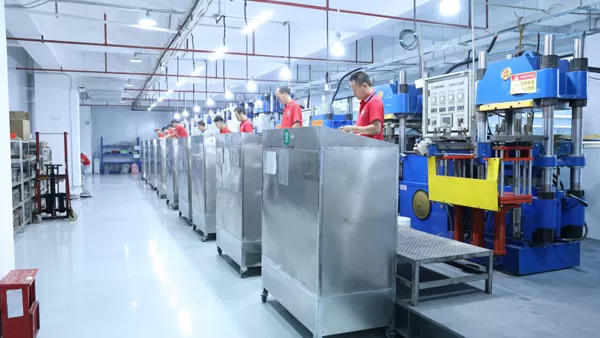
As a leading professional silicone products manufacturer, Bangxing combines cutting-edge material science with precision manufacturing. With over 80+ industry patents and a trusted track record serving 500+ global clients, we possess the technical capability to meet the most demanding thermal, safety, and design specifications. Whether you are scaling an existing product line or developing a ground-breaking new concept, our comprehensive OEM and ODM support is tailored for your success.
Uncompromising Quality & Safety
We don't compromise on raw materials. All our consumer-facing products utilize 100% Food Grade Silicone.
Completely BPA-Free, non-toxic, and odorless.
Extremely heat-resistant (perfect for dishwashers, microwaves, and sterilizers).
Rigorously tested and fully certified by global standards including FDA, LFGB, CE, and CPC.
Explore Our Premium Product Categories
Are you expanding your brand's catalog? Explore our high-margin, top-quality custom silicone lines:
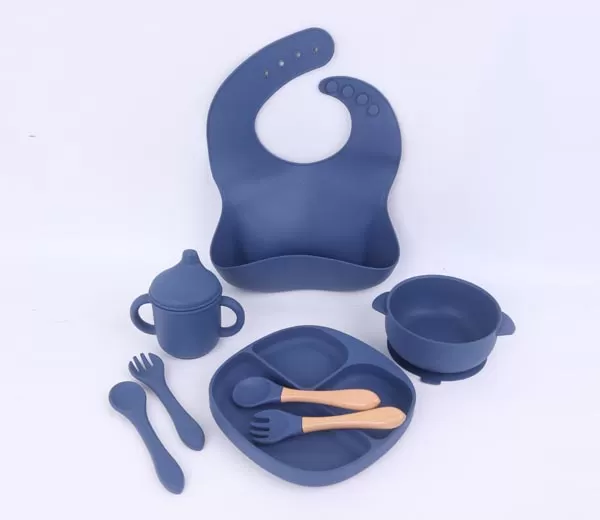
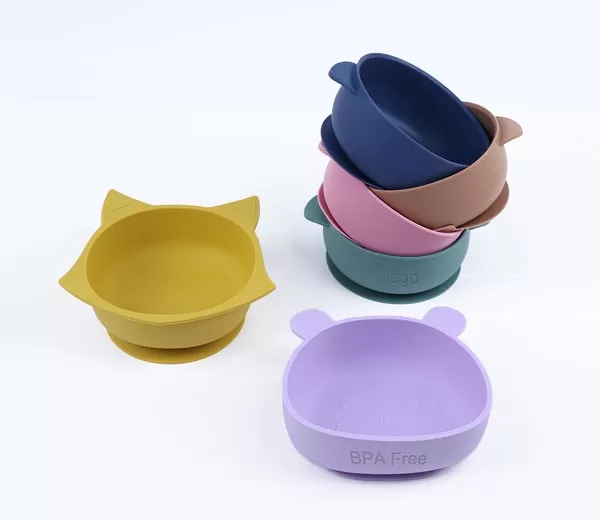
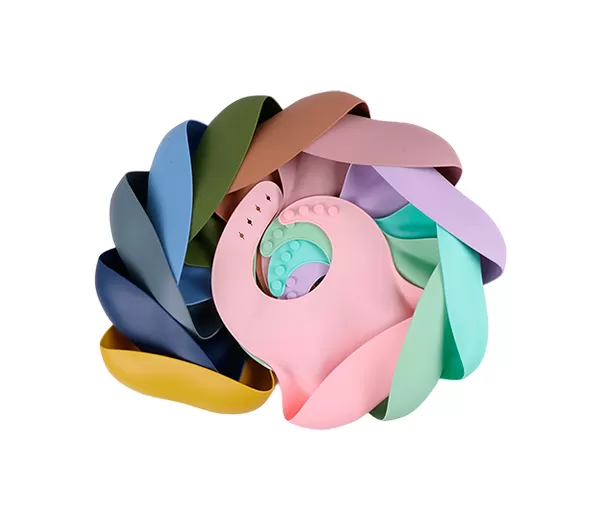
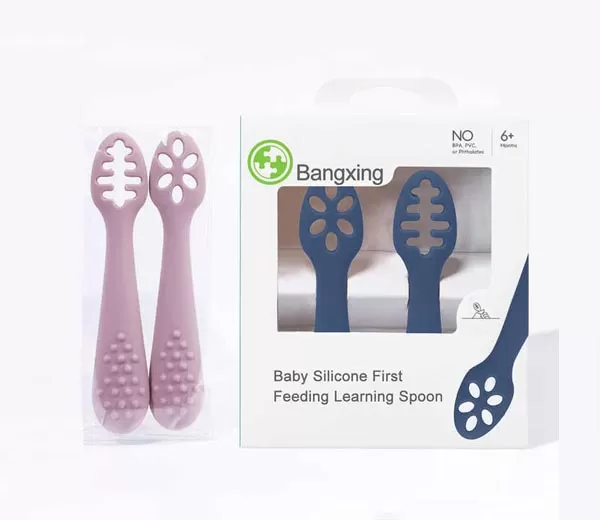
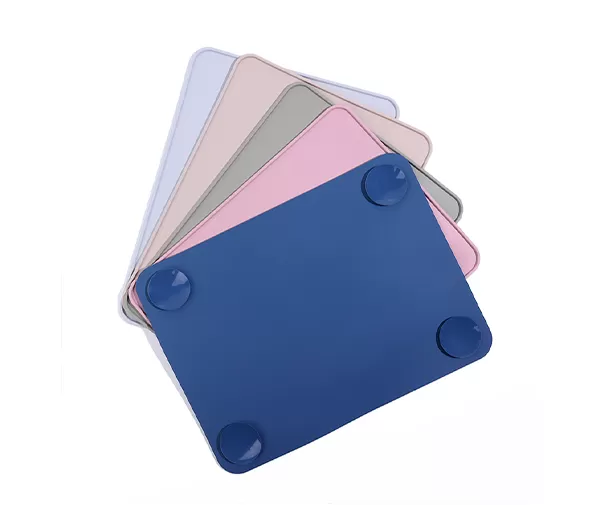
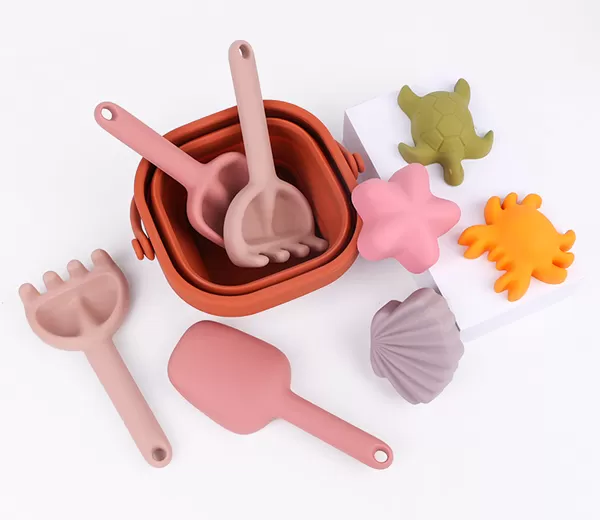
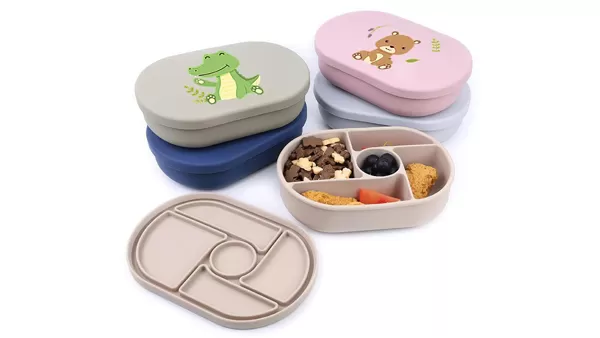
Safe, heat-resistant, and ergonomic bowls, bibs, and spoons.
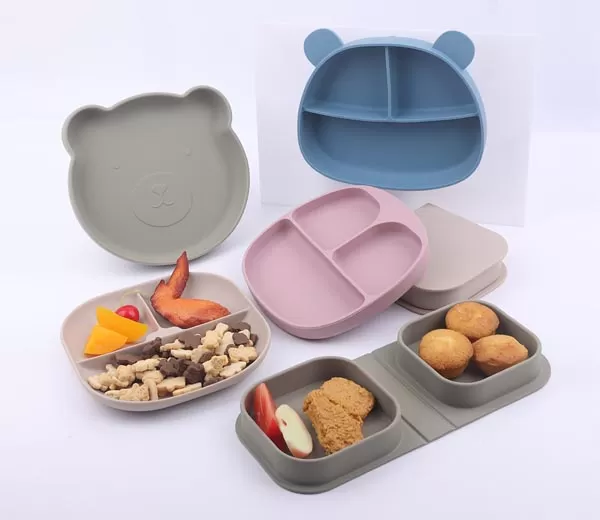
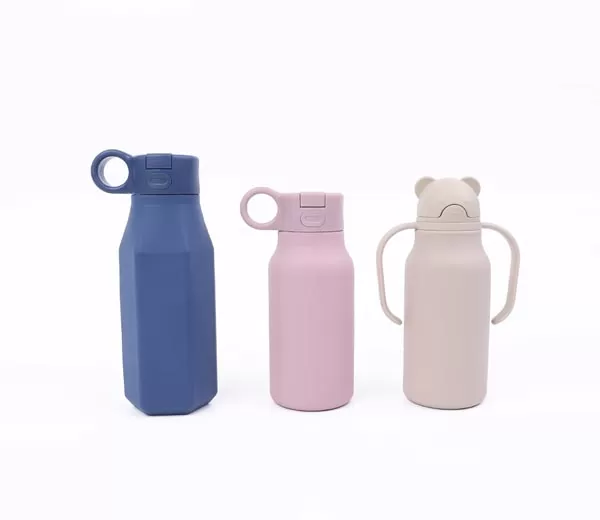
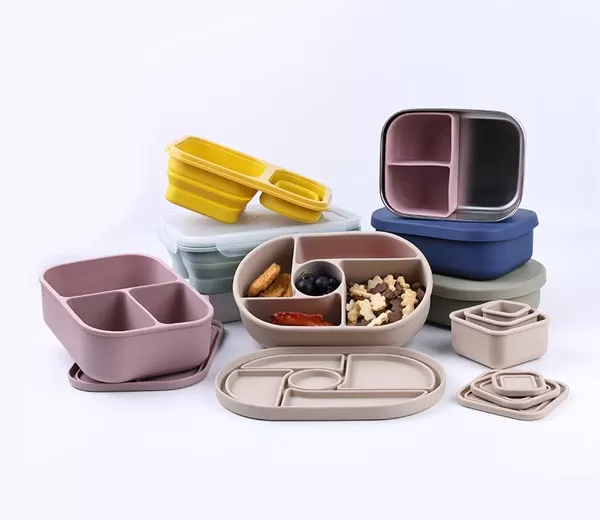
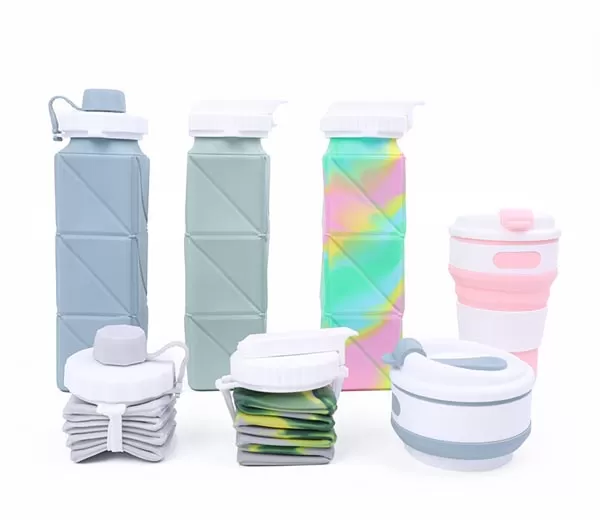
Durable, foldable, and perfect for hot or cold foods.
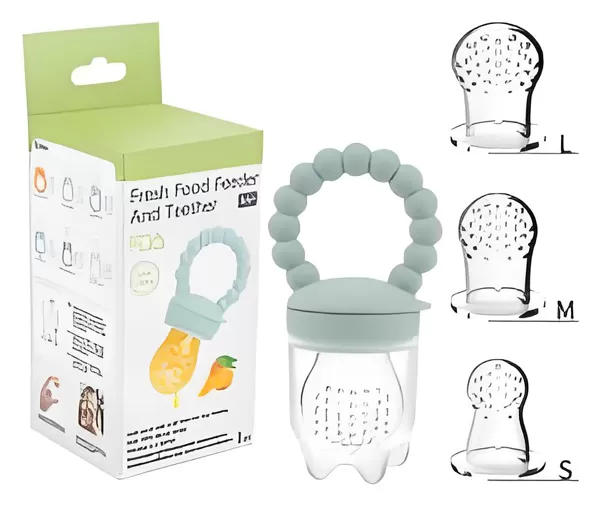
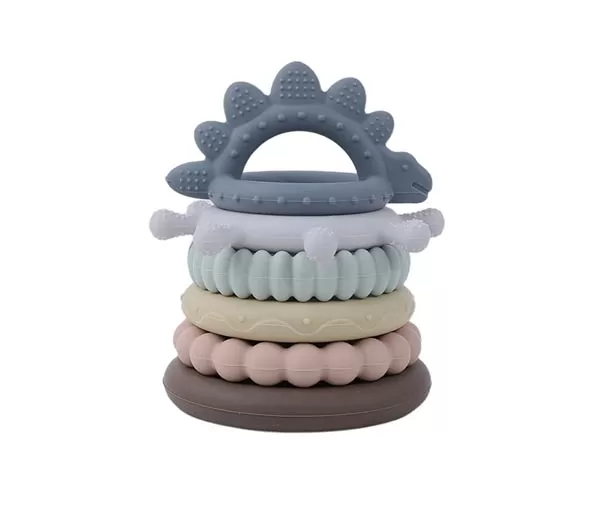
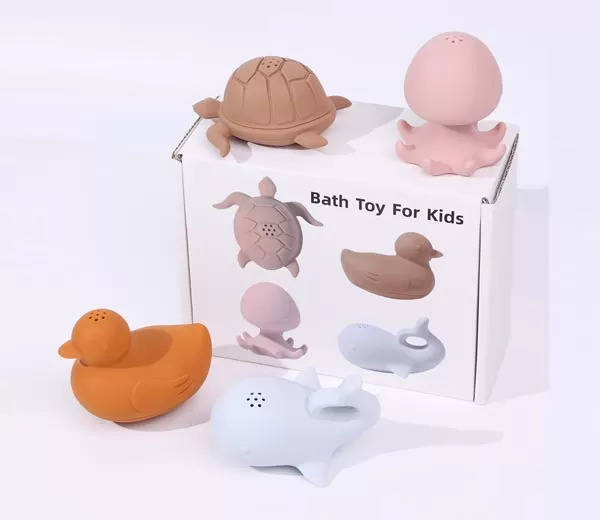
Soft, chewable, and easily sterilizable in boiling water.
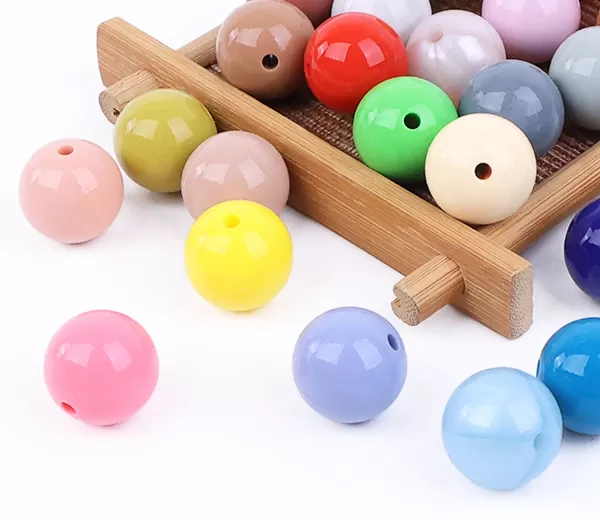
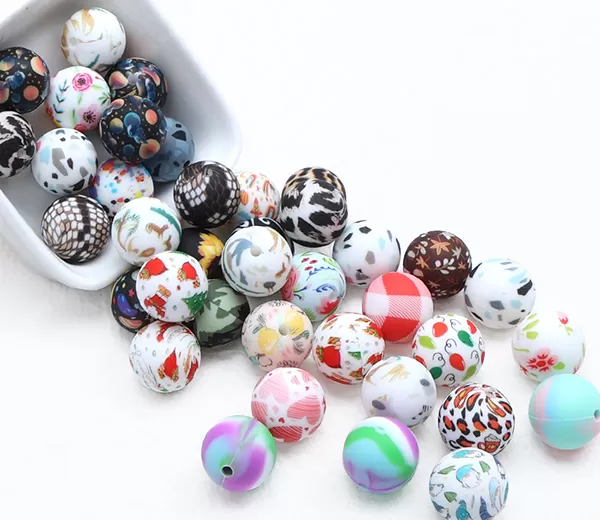
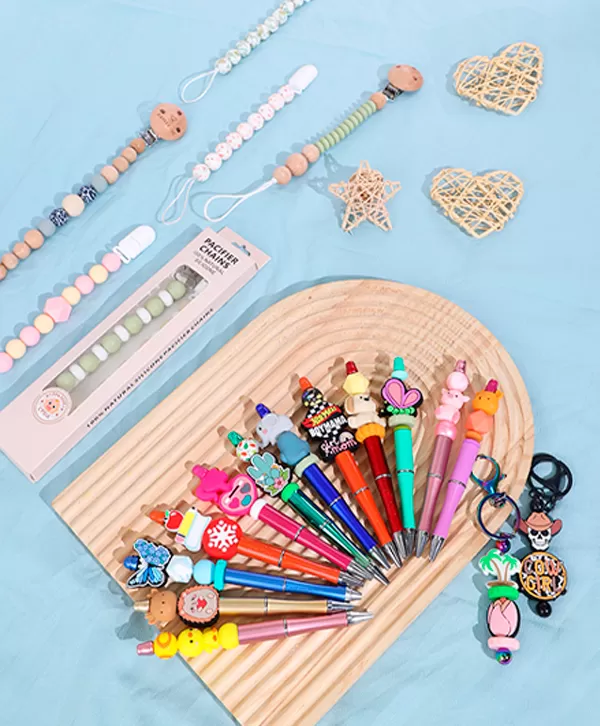
Colorful, safe, and customizable for pacifier clips and teething accessories.
Ready to Bring Your Vision to Life?
Looking for high heat-resistant silicone products that you can trust? Need bespoke custom silicone solutions for your next big project or brand launch?
Don't settle for subpar materials that fail under pressure. Partner with the experts who understand the science of silicone inside and out.
Visit us at:https://www.bxsilicone.com/
Contact Bangxing for a competitive OEM/ODM quotation today, and let's build products that last!
 Shenzhen Bangxing Silicone Technology Co,.Ltd