








Address:
301,C2 Building, Xiakeng Second Industrial Area, Tongde Community, Longgang, Shenzhen, Guangdong, China.
Jun 26 2026
Learn More
 Shenzhen Bangxing Silicone Technology Co,.Ltd

In today's manufacturing and consumer goods landscape, material safety is more scrutinized than ever. Whether you are a procurement manager sourcing baby products, an engineer designing medical devices, or a brand owner developing food-grade kitchenware, you must navigate a maze of material compliance. One of the most urgent and frequently asked questions in this space is: is latex in silicone?
As latex allergies become increasingly common—affecting healthcare workers, children, and the general public—finding safe, reliable alternatives is a top priority. Because silicone and latex share similar physical traits, such as high elasticity, water resistance, and a soft, rubbery texture, it is incredibly easy to confuse the two. This confusion often leads consumers and professionals alike to wonder if silicone products harbor hidden latex proteins that could trigger a life-threatening allergic reaction.
The definitive answer is no. Silicone and latex are fundamentally different materials born from completely different origins. In this comprehensive guide, we will break down the chemical differences between the two, explain why silicone is the ultimate latex-free alternative, and provide actionable advice for B2B buyers on how to ensure your supply chain remains safe and uncontaminated.
To understand why silicone does not contain latex, we first need to look at what silicone actually is. Silicone is a highly versatile, man-made synthetic polymer. In the scientific and engineering communities, it is known as an inorganic-organic hybrid elastomer.
Unlike natural rubber or traditional plastics, which rely on a carbon-to-carbon backbone, silicone is built upon a unique Silicon-Oxygen (Si-O) backbone. This structure is chemically synthesized from silica (sand). During the manufacturing process, it undergoes curing (vulcanization) to form a stable, three-dimensional network. Because of this unique molecular architecture, silicone possesses extraordinary chemical stability.
Most importantly for allergy sufferers, because it is manufactured in highly controlled industrial environments, it contains absolutely no natural plant proteins, no organic saps, and no naturally occurring biological allergens. Medical-grade and food-grade silicones (such as Platinum-cured silicone) are processed without the use of harsh plasticizers, BPA, phthalates, or PVC. The result is a chemically inert, hypoallergenic material that can endure extreme temperatures without breaking down or releasing toxic compounds.
In stark contrast to laboratory-synthesized silicone, natural rubber latex is an entirely organic, earth-grown product. Natural latex is derived from the milky, white sap extracted from the rubber tree (Hevea brasiliensis). To harvest latex, workers "tap" the trees by making incisions in the bark, allowing the sticky fluid to drain into collection buckets.
This natural sap is an incredible material in its own right, renowned for its supreme elasticity, tear resistance, and biodegradable properties. It is the traditional backbone of products like medical examination gloves, party balloons, rubber bands, and open-cell foam mattresses.
However, the origin of natural latex is also its biggest flaw in modern applications. Because it is a plant-based biological fluid, natural latex contains specific natural proteins. It is these exact proteins that the human immune system can mistakenly identify as harmful invaders, triggering an IgE-mediated allergic reaction. Symptoms can range from mild skin irritation and hives to severe respiratory issues and even anaphylactic shock.
Let's answer the core question directly: Does silicone have latex? No, absolutely not.
As established by their origins, silicone and latex are completely different chemical entities. Because silicone is synthetically produced from silica sand and contains no organic plant matter, it inherently lacks the proteins responsible for latex allergies. You will not find natural latex as an active ingredient or structural component in genuine silicone products.
However, for B2B buyers and brands, there is a critical caveat regarding cross-contamination. While pure silicone is 100% latex-free, the reality of global manufacturing means that some low-end factories produce both rubber and silicone products on the same factory floor or using shared equipment. Furthermore, some untrustworthy suppliers might mix cheap latex-based fillers into their silicone formulas to cut costs.
This is why simply asking "is latex in silicone" isn't enough when sourcing products. You must ensure that your manufacturing partner operates dedicated, clean silicone production lines and uses only 100% pure food-grade or medical-grade silicone raw materials.
To help engineers, designers, and purchasers scientifically select appropriate materials, we have compiled a quick reference comparison between these two elastomers:
| Feature | Silicone (Polysiloxane) | Natural Latex (Rubber) |
|---|---|---|
| Source Origin | Synthetic (Derived from Silica sand) | Natural (Tree sap from Hevea brasiliensis) |
| Allergenic Proteins | None | Contains natural proteins |
| Allergy Risk | Very Low (Hypoallergenic) | High (Latex Allergy) |
| Heat Resistance | Excellent (-50°C to 250°C / 482°F) | Poor (Degrades easily at high temps) |
| Chemical Stability | Outstanding (Resists UV, Ozone, Aging) | Moderate (Susceptible to UV & oxidation) |
| Primary Applications | Baby products, medical implants, bakeware | Disposable gloves, mattresses, balloons |
For individuals navigating the dangers of a latex allergy, reading labels becomes a matter of life and death. So, when looking at the silicone vs latex allergy debate, is silicone a safe haven?
The medical and scientific consensus is a resounding yes. Silicone is widely regarded as the premier safe alternative for people allergic to latex. Because of its protein-free composition and strong chemical inertness, it does not trigger the immune system responses associated with latex.
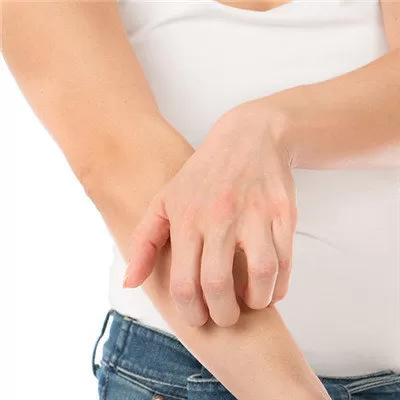
But what if someone reports an allergic reaction to a silicone product? While true silicone allergies are incredibly rare, they can occasionally occur. More often than not, what appears to be a "silicone allergy" is actually contact dermatitis caused by poor-quality additives, colorants, or cross-linking agents used in non-medical grade silicone. This highlights why purchasing 100% pure, high-quality silicone is non-negotiable for sensitive demographics.
For B2B brands, wholesalers, and procurement officers, ensuring that your latex-free silicone products are truly safe requires due diligence. Sourcing the wrong material can lead to product recalls, brand damage, and severe health liabilities. Here is how you can guarantee safety:
Demand Global Certifications: Do not just take a supplier's word. Ensure the raw materials and final products are certified as "Food Grade" or "Medical Grade". Look for compliance with FDA (US), LFGB (Europe), and CPC (Children's Product Certificate) standards.
Verify the Raw Materials: Ask your manufacturer about their silicone base. Platinum-cured silicone, for example, is superior and cleaner than standard peroxide-cured silicone, leaving zero toxic byproducts.
Avoid Unverified Low-Cost Suppliers: If a quote seems too good to be true, the manufacturer might be using cheap fillers, recycled plastics, or operating a dirty factory where latex cross-contamination is highly likely.
Request Independent Test Reports: Reputable manufacturers will have no issue providing recent third-party testing reports from authoritative laboratories like SGS, Intertek, or TÜV Rheinland.
Q1: Can silicone trigger allergies?
Pure silicone is hypoallergenic and does not contain the proteins that cause latex allergies. While an allergy to silicone itself is extremely rare, some people may experience mild contact dermatitis if the product contains low-quality chemical fillers, dyes, or additives. Always opt for medical or food-grade silicone.
Q2: Is food-grade silicone latex-free?
Yes. By definition, true food-grade silicone is made entirely of synthetic silicon-oxygen polymers and contains zero natural rubber latex. It is completely safe for food contact and for individuals with latex allergies.
Q3: Can silicone replace latex in baby products?
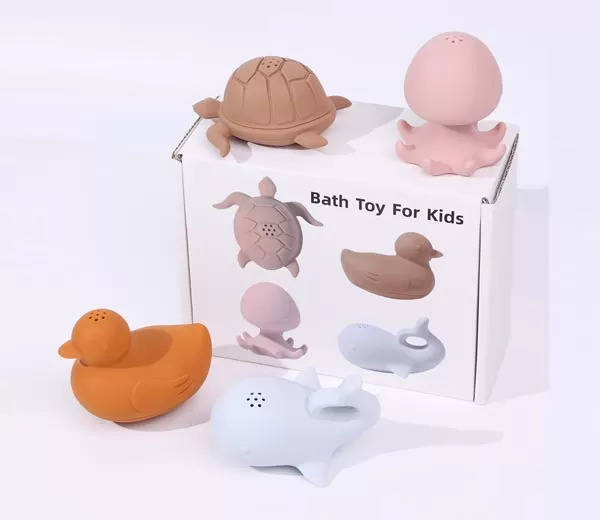
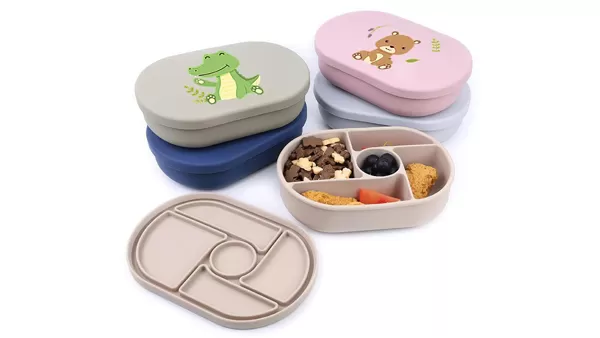
Absolutely. In fact, it is the preferred replacement. Silicone does not age or crack like latex, it can withstand boiling water for sterilization, and it carries zero risk of causing a latex allergic reaction in infants.
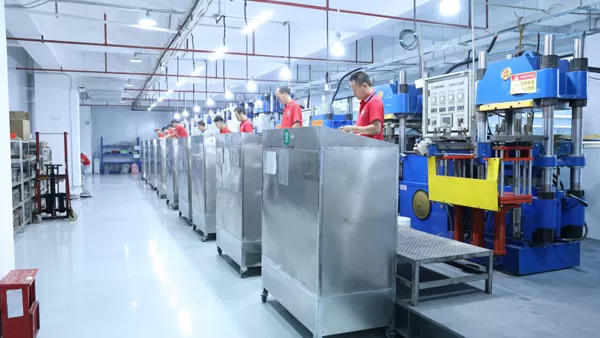
Latex-Free Guarantee: Dedicated silicone production with no rubber contamination.
Custom OEM/ODM Support: From concept design and 3D modeling to mass production.
Certified for Global Markets: Seamlessly pass customs and retail compliance checks.
Reliable Bulk Supply: Robust supply chain capability for scaling brands.
Looking for high-quality, latex-free silicone products for your brand? Let's bring your vision to life safely and efficiently.
 Shenzhen Bangxing Silicone Technology Co,.Ltd